

Audio By Carbonatix
A new scientific study published in the International Journal of Infectious Diseases has outlined a prioritised research agenda aimed at guiding the future introduction and use of Lassa fever vaccines across West Africa.
The study, titled “A Prioritised Research Agenda to Inform the Introduction and Use of Lassa fever vaccines in West Africa,” brings together experts from public health institutions, research organisations, and global health agencies to identify the evidence needed before vaccines become available.
The 19 authors involved in the research represent institutions including MMGH Consulting GmbH, the West African Health Organization (WAHO), the Nigeria Centre for Disease Control and Prevention (NCDC), the Nigeria Institute of Medical Research, Irrua Specialist Teaching Hospital, the University Clinical Research Center in Mali, the Africa Centres for Disease Control and Prevention (Africa CDC), CEPI, Gavi, the WHO Health Emergencies Programme, and the National University of Singapore.
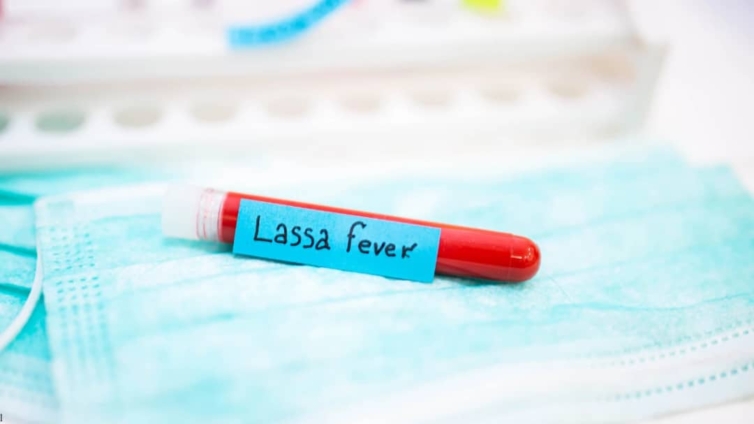
Lassa fever is an acute viral hemorrhagic disease mainly spread through exposure to rodent excreta, although human-to-human transmission can also occur. The disease remains endemic in West Africa and is expected to spread further due to environmental changes.
According to the study, recent modelling estimates suggest that about 897,700 Lassa fever cases occur annually, although many are not detected because symptoms are often mild or absent. Severe infections can lead to hospitalization and death, with case fatality rates reaching up to 20%.
The disease poses an even greater threat to pregnant women in late pregnancy, where mortality can exceed 30%, while foetal loss can reach up to 75%.
Although there is currently no licensed vaccine for Lassa fever, researchers say one could become available after 2030, making early planning essential.
The study noted that while previous research has focused largely on diagnostics, virology, therapeutics, and vaccine development, less attention has been given to the evidence needed for vaccine rollout, public acceptance, and policy decisions.
To address this gap, the researchers used the Child Health and Nutrition Research Initiative (CHNRI) methodology to identify and rank priority research questions.
The process was coordinated through the Lassa fever Policy Research Working Group (PRWG), made up of experts from regional health bodies, national disease control programmes, research institutions, and global partners.
Researchers first conducted a rapid review of published and unpublished studies, including documents from organisations such as CEPI and WAHO. More than 600 studies were screened alongside expert interviews to identify major evidence gaps.
In total, 83 evidence gaps were identified and later refined into 29 research questions grouped into four main areas including epidemiology, vaccine trial-related evidence needs, economic and modelling studies, and vaccine uptake and acceptance.
The second phase involved an online prioritization survey using the CHNRI scoring system. A total of 235 respondents participated, with 66% fully completing the survey.
The findings showed strong agreement among experts, with research priority scores ranging from 80% to 92%.
From the process, 13 final research priorities were identified. These focused mainly on economic and impact modelling, epidemiological understanding, vaccine clinical parameters, and vaccine uptake and acceptance.
The study found that questions with direct policy relevance, especially those linked to economic impact, received higher rankings than more complex scientific questions.
Researchers warned that delays in identifying implementation and policy evidence needs could slow vaccine introduction in the future. They referenced previous experiences with the RTS,S malaria vaccine, which took years from approval to large-scale rollout.
According to the authors, early preparation is critical to ensure future Lassa fever vaccines can be introduced safely, effectively, and equitably across West Africa.
The study also highlighted the important role of governments in vaccine decision-making, noting that government representatives formed more than half of the survey respondents.
While the researchers acknowledged limitations such as a higher proportion of respondents from Nigeria and a small number of expert interviews in the initial phase, they said the final results showed no evidence of geographic bias.
The researchers are now calling for the identified priorities to be translated into funded studies, multi-country research projects, and implementation pilots.
They also urged national governments, research institutions, funding agencies, and regional organisations to align future work with the prioritized agenda.
WAHO was identified as a key institution expected to coordinate efforts to integrate the research priorities into a broader regional research and development plan.
The study said that preparing for a Lassa fever vaccine goes beyond developing the vaccine itself and requires generating the right evidence early enough to support policy decisions and effective rollout strategies across the region.
Latest Stories
-
Accra-Kumasi Expressway: 48 Engineer Regiment can deliver if well resourced – Political Lecturer
3 minutes -
Businesses above GH¢750,000 turnover must register for VAT – GRA
7 minutes -
Kenya confirmed hosts of World Athletics Championships 2029
17 minutes -
No more pothole ambulance rides: Mahama’s roads will change lives – Agbodza tells Upper West farmers
42 minutes -
‘Physically better’ Kudus can start against Liverpool – De Zerbi
48 minutes -
Bonsu Baah sets up opener in Al Qadsiah win over Al Wasl
1 hour -
Ghana has now become a distribution hub for drugs
1 hour -
Africa Nations Volleyball Championship: Ghana’s Black Spikers leave for tournament in Tunisia
2 hours -
Today’s Front pages: Tuesday, September 15, 2026
2 hours -
Auditing the Auditor-General: How special audit understated a COVID-19 expenditure
3 hours -
A Partnership for Progress: Why the ProMark–KPMG collaboration matters for Africa’s digital assets future
3 hours -
Catholic Bishops pressure gov’t to sign long-delayed mission schools agreement
4 hours -
Cedi under fresh pressure as Christmas import demand drives dollar surge
4 hours -
Ato Forson eyes first-week November for 2027 Budget, promises jobs and major infrastructure push
4 hours -
Catholic Bishops demand probe into ‘protocol admissions’ amid SHS placement challenges
4 hours