


Audio By Carbonatix
Health experts have raised concerns over the high mortality risk among children born with sickle cell disease in Ghana, warning that a significant number may die before the age of five if they do not receive early diagnosis and consistent care.
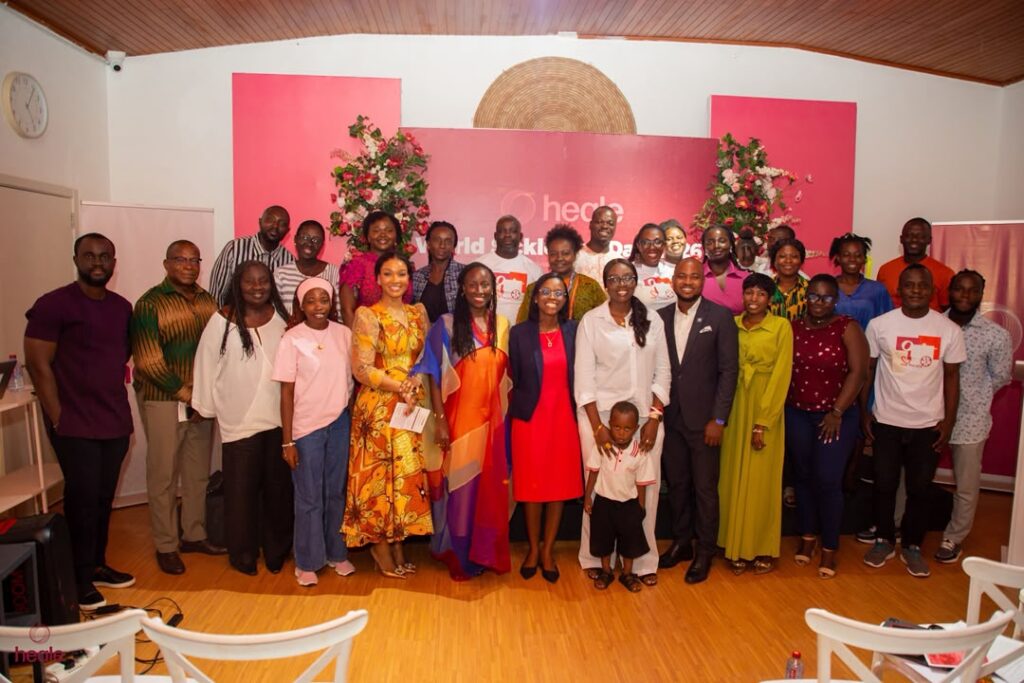
Co-founder of Heale, Dr Enam Sefakor Bankas, says about 15,000 babies are born with sickle cell disease in Ghana each year, representing roughly two per cent of annual births.
Speaking during activities to mark World Sickle Cell Day, Dr Bankas said up to 80 to 90 per cent of affected children who are not diagnosed early and enrolled in comprehensive care risk dying before age five.
“If they are not diagnosed early, we risk losing 80 to 90 per cent of them before age five,” she warned.
She described the figures as alarming, adding that while public awareness of sickle cell disease has improved, its psychological and emotional impact is often overlooked.
“Most people focus on the physical aspects, the pain and the admissions, but there is a huge emotional and psychological toll,” she said.
According to her, many patients and caregivers continue to face stigma, discrimination, anxiety and social isolation, conditions that worsen their overall quality of life.
Dr Bankas called for the integration of mental health support into routine sickle cell care, stressing that emotional well-being should not be treated as secondary to physical treatment.
“Mental health, wellness and self-care are not luxuries. They are essential components of living well with sickle cell disease,” she stated.
She also advocated for a coordinated national sickle cell programme to improve access to quality care across the country, regardless of location.
“We need comprehensive care. We need to make sure that wherever you are in Ghana, patients can access the quality care they need,” she said.
This year’s commemoration by Heale was held under the theme “Think Heale: Mental Health, Wellness and Self-Care in Sickle Cell Disease,” with calls for stronger policy attention to both the physical and psychological needs of patients.
Advocates say meaningful progress in sickle cell management will depend on shifting focus from treatment alone to a holistic care approach that addresses the full well-being of patients and families.
Latest Stories
-
NACOC, INL deepen cooperation to combat drug trafficking and organised crime
18 minutes -
GEPA CEO calls for investment to transform Ghana’s economic opportunities
21 minutes -
Photos: Antoine Semenyo says ‘I do’ to longtime partner Jordeen Buckley
40 minutes -
Gender Minister visits Nana Akua Addo, assures family of support
41 minutes -
You need to fake it sometimes to make it fun – Stephanie Benson tells couples
60 minutes -
Mahama Cares says political affiliation will not determine access to medical support
1 hour -
Government inherited GH¢111bn debt burden but continues infrastructure projects – Lands Minister
1 hour -
Mallam Atta traders urge government to speed up 24-hour market redevelopment
1 hour -
Catholic Church has a duty to speak on issues affecting human dignity – Bishop Gyamfi
1 hour -
KATH sickle cell, blood bank project stalled over $1.6m legal dispute – CEO
2 hours -
Restricting preaching in moving vehicles is an attempt to gag the church – Rev. Kwadwo Bempah
2 hours -
Central Charismatic Baptist Church marks 30 years, urges review of law restricting preaching on buses
2 hours -
Mafi Kope residents appeal for urgent medical intervention over illnesses affecting children, adults
2 hours -
ECG to limit planned power outages in Ashanti to two days a week
2 hours -
NYA CEO, management doing ‘yeoman’s job’with meagre budget — Parliament’s Youth Committee Chairman
2 hours