

Audio By Carbonatix
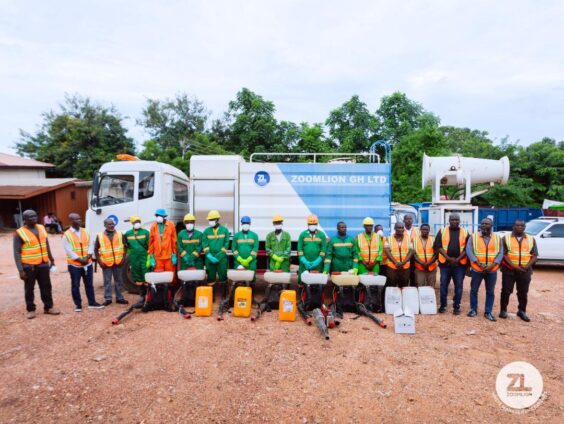
Zoomlion Ghana Limited has launched a nationwide emergency fumigation and disinfection exercise as part of a coordinated response to the aftermath of recent flooding, according to the Head of Emergency Management at the Jospong Group, Dr. Gideon Sogbey.
The operation, which commenced on Monday, June 22, 2026, is initially targeting parts of the Weija-Gbawe Municipality, Ablekuma North Municipality and the McCarthy Hill enclave, areas where recent floods have left behind significant sanitation hazards, including accumulated filth, faecal matter, sewage and other contaminants.
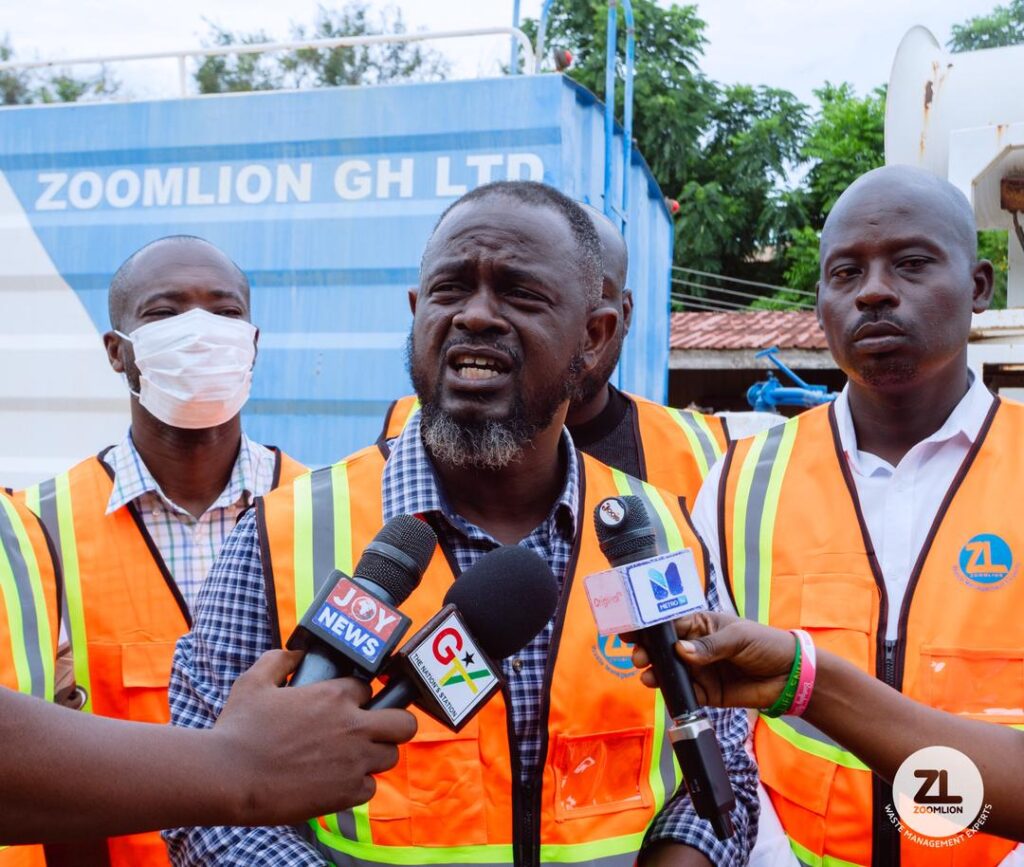
“This is a nationwide exercise, and although we have started in Greater Accra, we have already identified several flood-prone communities across other regions for similar interventions,” Dr. Sogbey disclosed while speaking to journalists on the sidelines of the exercise.
He explained that the initiative forms part of a broader national effort to strengthen Water, Sanitation and Hygiene (WASH) standards, enhance public health resilience and protect communities from disease outbreaks associated with flooding and poor environmental sanitation.
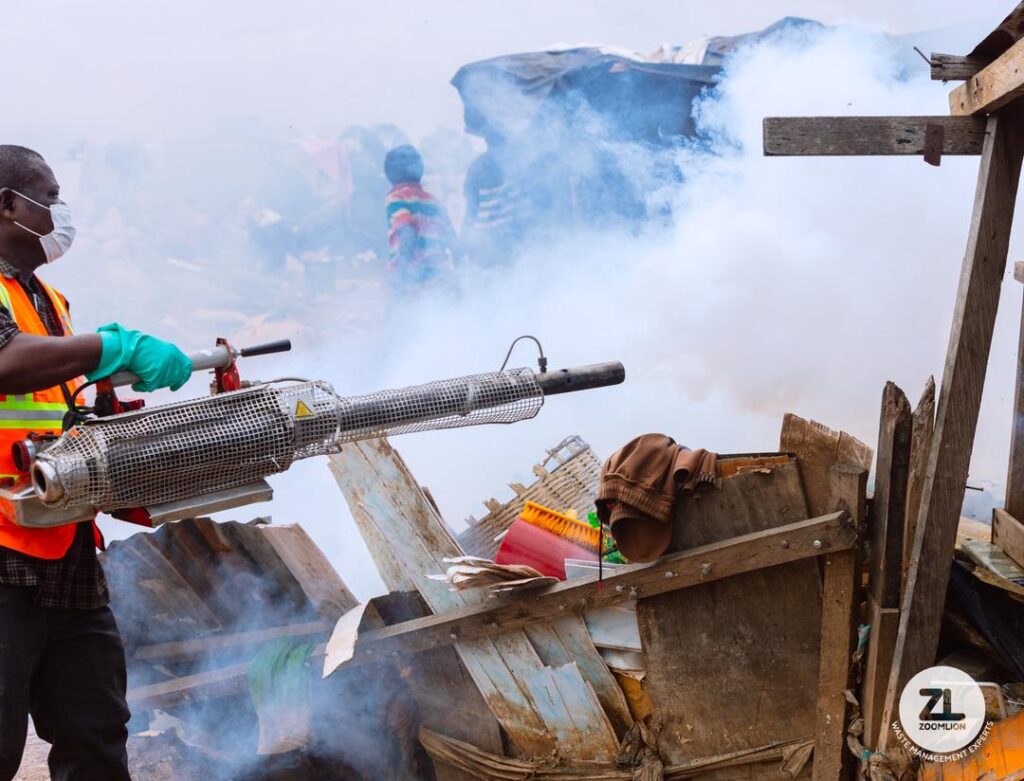
The campaign also reflects the company's long-standing commitment to proactive public health interventions and emergency response operations across the country.
Proactive Measures to Avert Disease Outbreaks
Dr. Sogbey emphasised that the intervention was a necessary pre-emptive measure against the serious health threats that typically follow flooding.
“Our objective is to protect residents from diseases that commonly emerge after flooding. We do not want to wait until there is an outbreak before taking action. This is a proactive measure aimed at safeguarding public health and protecting lives,” he stated.
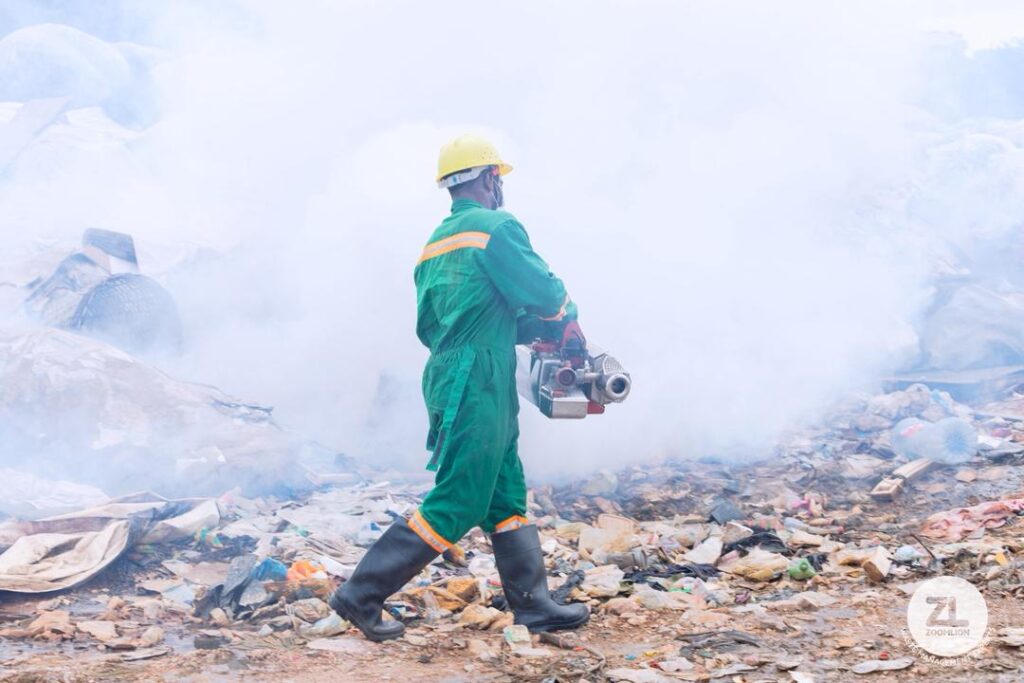
He noted that floodwaters frequently carry filth, sewage, effluent and other hazardous contaminants, exposing residents to waterborne and communicable diseases. Cholera remains one of the most significant threats, particularly in densely populated urban settlements where sanitation challenges persist.
Targeting Waste Hotspots and Breeding Grounds
The campaign is heavily focused on identified waste-dumping sites and final disposal facilities within the affected areas, which have become critical breeding grounds for disease vectors due to decomposing waste, offensive odours and increasing fly populations.
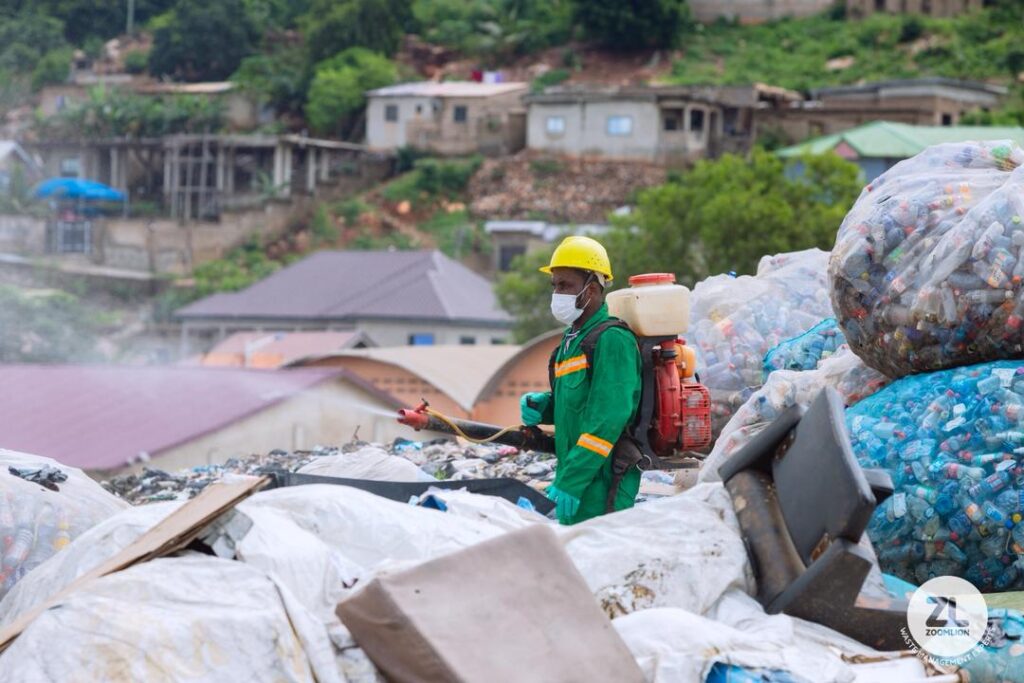
Dr. Sogbey detailed the specific risks observed at some disposal sites that prompted the emergency intervention.
“We visited the final disposal site at Oblogo, where we carried out a disinfection exercise to control the housefly population. We also undertook measures to destroy Vibrio cholerae, the bacterium responsible for cholera. As you can see, there is leachate — the black wastewater generated from the site — seeping into the Densu River,” he said.
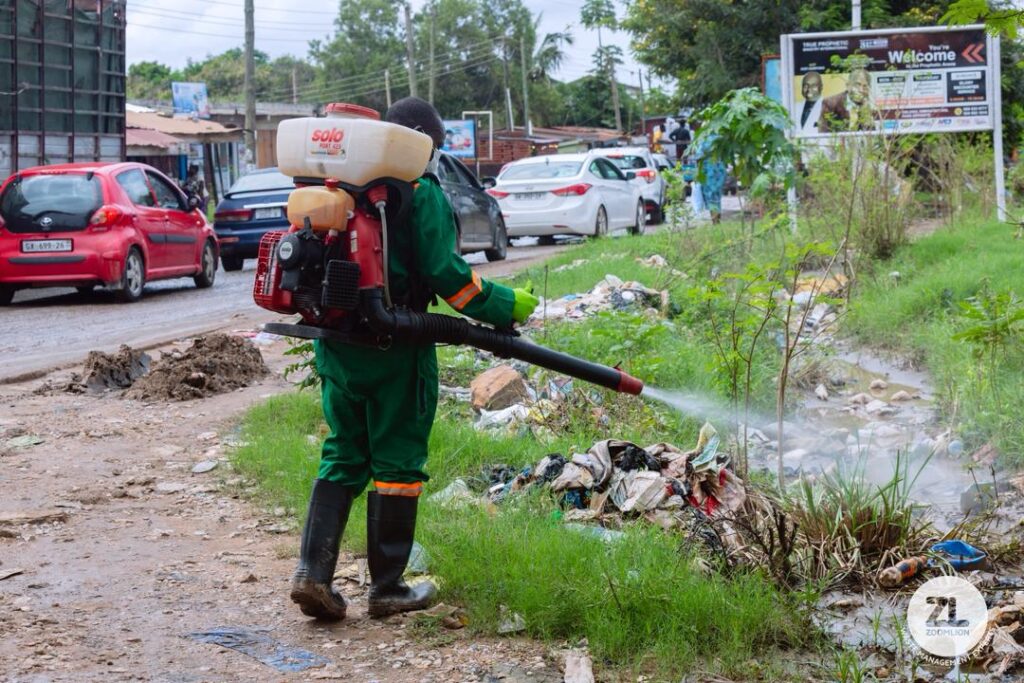
He stressed that this was a serious concern because many residents in surrounding communities depended on the river as a source of water.
“During our visit, we also observed fishermen actively fishing in the river,” he added.
He warned that untreated hotspots could create a direct pathway for disease transmission.
“The risk is that flies from the disposal site can easily move into nearby communities and contaminate food and other consumable items in homes and marketplaces. If immediate action is not taken, there is a high likelihood of a cholera outbreak,” he cautioned.
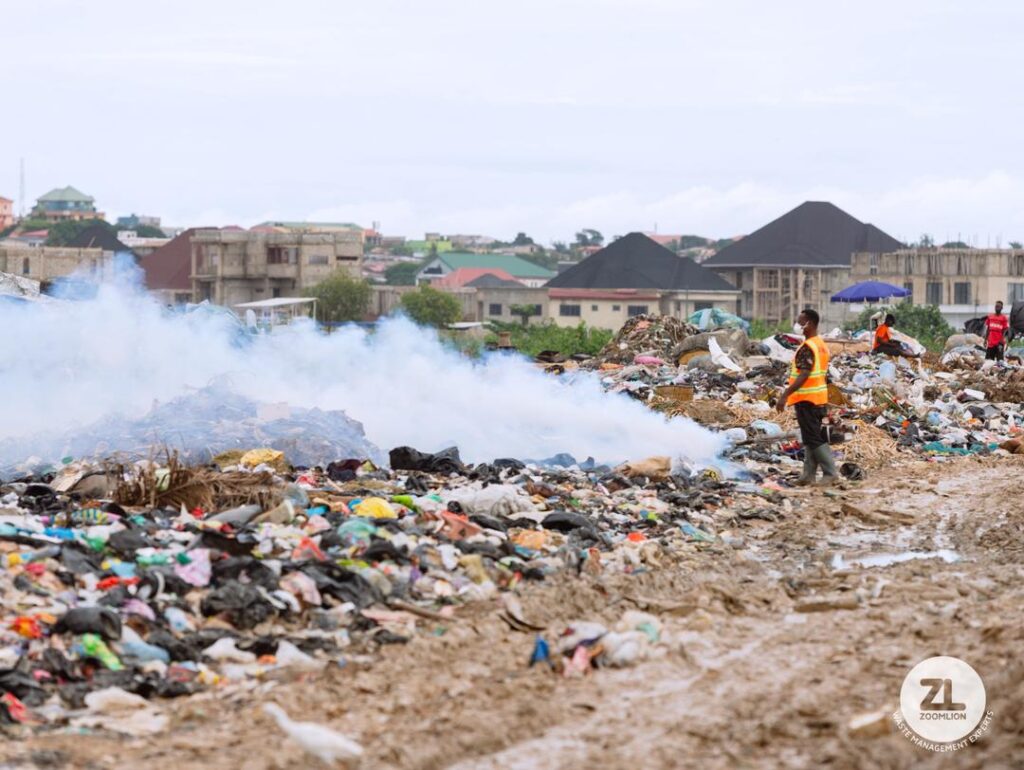
The emergency operation will also extend to the McCarthy Hill final disposal site, where similar interventions will be undertaken to address sanitation concerns associated with tricycle (aboboyaa) waste disposal activities.
Call for Sustainable Sanitation Solutions
Dr. Sogbey underscored the need for long-term solutions to Ghana’s sanitation challenges. He called on relevant authorities, including the Ministry of Local Government, Chieftaincy and Religious Affairs, to prioritise the development of properly engineered landfill sites, stricter regulation of waste transportation and the establishment of transfer stations within rapidly expanding municipalities.
He further observed that the growing volumes of waste generated within the Weija-Gbawe and Ablekuma North municipalities required urgent strategic planning and investment to prevent recurring sanitation-related emergencies.
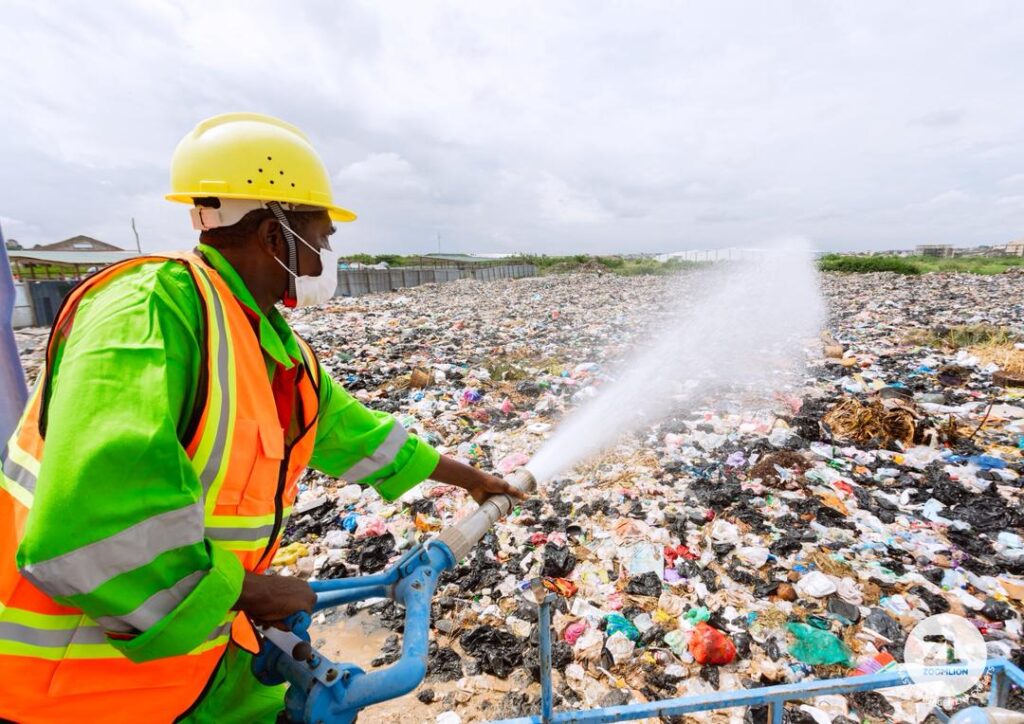
“Without such measures, we risk repeating these cycles of flooding, contamination and disease,” he stressed.
A Proven Track Record in Public Health Response
Zoomlion Ghana Limited has a well-established history of leading disinfection, fumigation and disease-vector control operations during public health emergencies. The company currently provides waste management services in several African countries, including Liberia, Togo, Sierra Leone and Kenya, leveraging technology-driven solutions and modern facilities for waste processing, recycling and environmental sanitation.
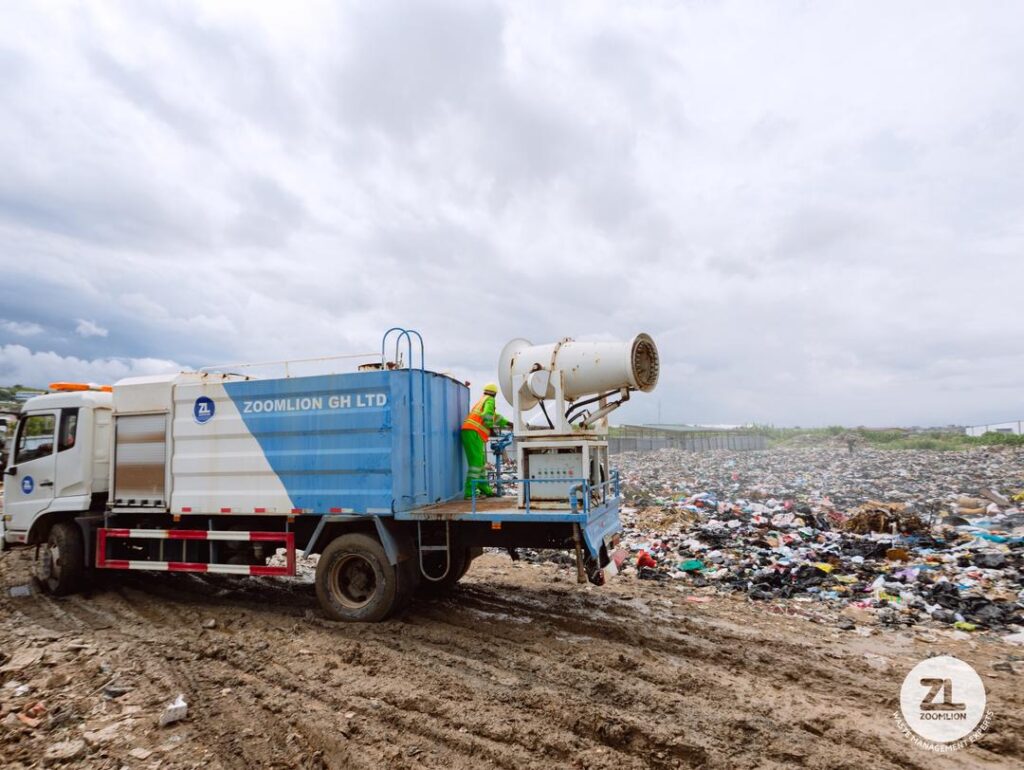
The current post-flood intervention reinforces the company’s role as a key partner to government and development agencies in advancing public health and environmental sustainability across Ghana and the wider West African sub-region.
Latest Stories
-
Oranges, sardines and eggs could help protect people exposed to air pollution, Ghana study finds
56 minutes -
Private security firms acting as political militias risk licence revocation, prosecution – National Security Coordinator
2 hours -
Antoine Semenyo makes history as first Ghanaian named in PFA Team of the Year
2 hours -
Mahama calls for responsive healthcare regulation to improve patient safety
3 hours -
IERPP accuses GoldBod of breaching transparency law, says quarterly trading reports removed from website
3 hours -
Future of Energy Conference: Africa cannot industrialise in the dark – ECOWAS Bank President
3 hours -
Help comes to Alajo as DirectAid brings relief items to flood victims
3 hours -
“Somebody created the loss” – Haruna Mohammed backs Minority’s call for GoldBod probe
3 hours -
Hope for agroecological farmers: Scientific Research supports urine-based weed management as safer alternative to glyphosate
3 hours -
Israeli Film Festival returns to Accra with free screenings to boost cultural exchange
3 hours -
SONABEL considers opening Bagré Dam spillway on Friday amid rising water levels
3 hours -
Ghana Maritime Authority, Humanity First commission 4 boreholes in Wa to end water scarcity and keep children in class
4 hours -
In Photos: Day Two of ‘SYPALA 2026’ focuses on governance, economic freedom and youth leadership
4 hours -
Wontumi withdraws from NPP chairmanship race, urges support for Bawumia
4 hours -
UCC-IEPA, CEGRAD launches free digital skills programme to empower 1,000 women in education
4 hours