

Audio By Carbonatix
For decades, Malaysia has stood tall as a lighthouse for Non-Interest finance, a global powerhouse where Non-Interest banking isn't a niche product but a mainstream economic pillar.
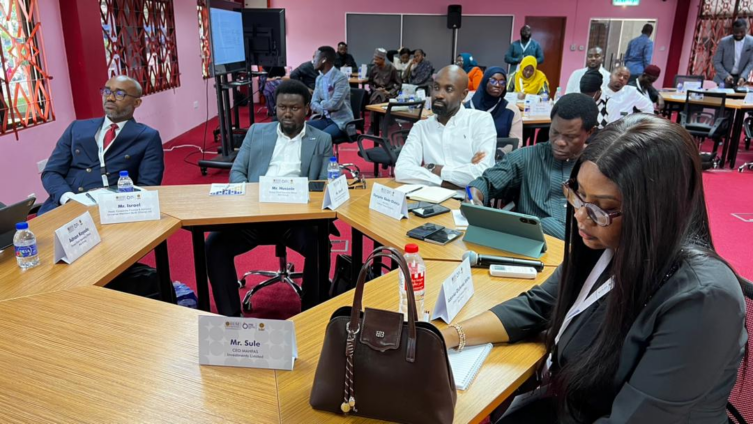
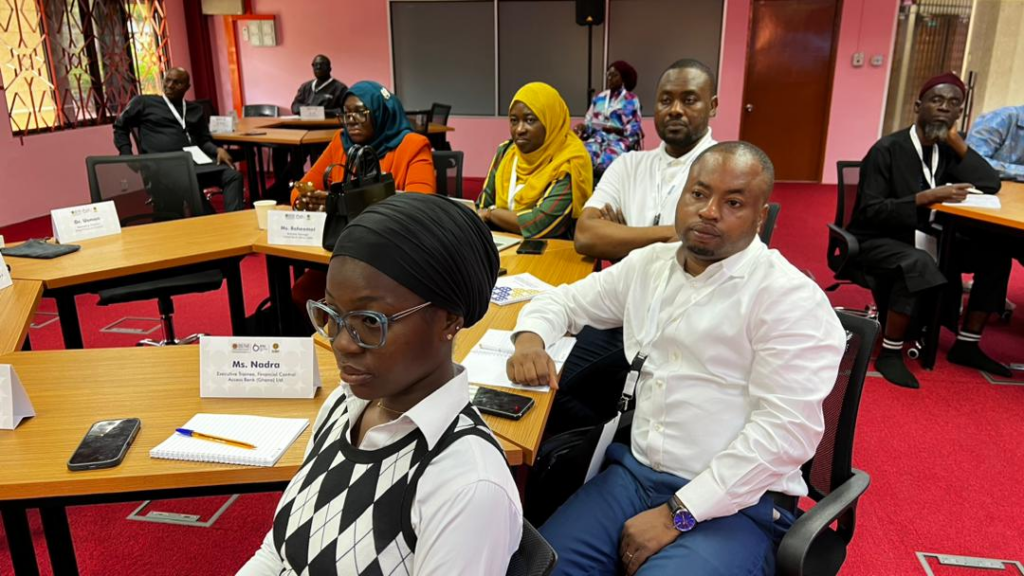
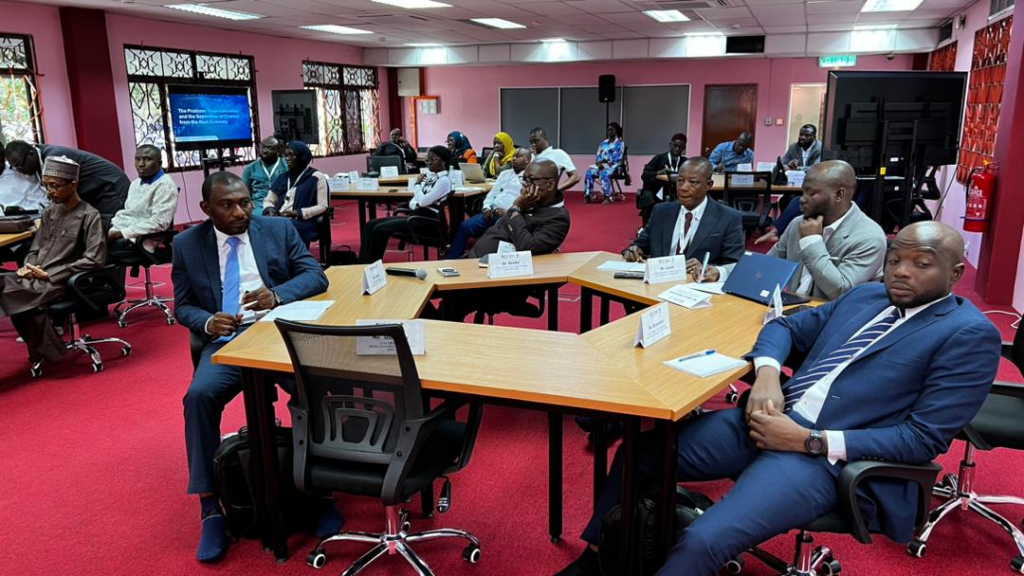
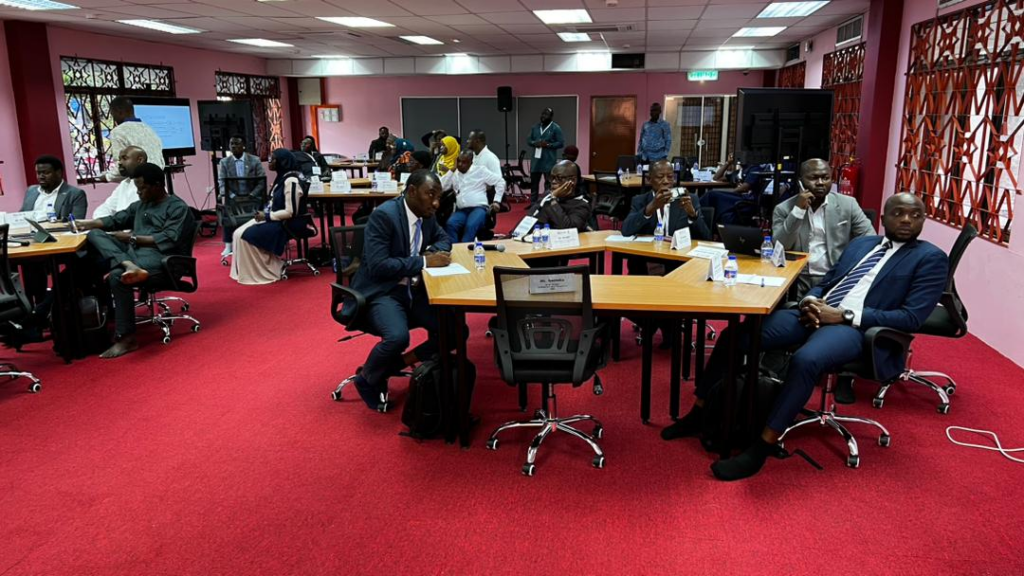
Now, a delegation of financial sector regulators from Ghana is sitting in the halls of the International Islamic University of Malaysia (IIUM), notebooks in hand, determined to decode that success.
The week-long training tour, organised by the Islamic Research Institute of Ghana (IFRIG), comes at a pivotal moment.
Bank of Ghana has rolled out its 2026 Non-Interest Guidelines, while Securities and Exchange Commission (SEC) and National Insurance Commission (NIC) are preparing to roll out their Non-Interest guidelines.
These regulators are keen to avoid the growing pains that often accompany new financial frameworks. Their destination of choice? Malaysia is a nation that has perfected the delicate balance between religious compliance, legal precision, and market innovation.
A Regulatory Blueprint Worth Copying
The core message of the sessions has been clear: regulation is the backbone of any successful Non-Interest finance ecosystem.
During a lecture held at IIUM's Department of Economics, Professor Dr Nurdianawati Irwani Abdullah, a lecturer with the Kulliya of Economics and Management Sciences, emphasised that Malaysia's edge lies not in any single policy, but in the interlocking strength of its regulatory pillars—Shariah governance, legal certainty, consumer confidence, and vibrant capital markets.
"Proper financial regulation is definitely a key to the success of the sector," Professor Nurdianawati told the delegates. "But it is not only the regulator's job. It's a collective effort. The government has to play its part, the industry players, and also the consumers. We need everyone on board to ensure that this system is successful."
Her words struck a chord. For Ghana, where non-interest banking is still in its infancy, the lesson was unambiguous: financial inclusion and stability cannot be achieved through legislation alone. They require a whole-of-nation commitment—from parliament to the marketplace.
More Than Banking: A Tool for National Development
For Dr James Klutse Avedzi, Director General of Ghana's Securities and Exchange Commission, the Malaysian experience offers more than just regulatory know-how. It presents a blueprint for funding national development.
"What we have learnt during this session will help in the development of various sectors," Dr Avedzi said.
"Malaysia has success stories. By looking at them, we can avoid certain challenges and improve our financial system, including helping the government raise capital for development projects."
His perspective highlights a crucial reality: Non-Interest finance is not merely about religious compliance. It is about mobilising capital—for infrastructure, energy, education, and healthcare—in ways that are ethical, transparent, and inclusive.
Malaysia's sukuk (Non-Interest bond) market, for instance, has financed everything from highways to airports, and Ghana's regulators are keen to replicate that model.
'An Eye-Opener' for Ghana's Insurance Sector
The delegation's enthusiasm was palpable, particularly among those overseeing non-bank financial institutions. Mohammed Hafiz Issahaku, Head of the Prudential Supervision Department at Ghana's National Insurance Commission (NIC), described the experience as nothing short of transformative.
"This trip has been an eye-opener. The robust regulatory framework that Malaysia has is very impressive. Going back home, this is definitely going to help us a lot in rolling out our non-interest banking system."
His remarks underscore a broader ambition: Ghana is not simply adopting Non-Interest banking in isolation. It is reimagining its entire financial architecture—from banking to insurance (Takaful) to capital markets—through the lens of ethical, Shariah-compliant finance.
Why Malaysia? Why Now?
Malaysia's dominance in Non-Interest finance is no accident. With over 40 years of continuous evolution, the country has built:
.A dual banking system where non-Interest and conventional banks compete and complement each other.
.A centralized Shariah advisory framework through the Securities Commission and Bank Negara Malaysia.
· A deep and liquid sukuk market that ranks among the world's largest.
· A pool of talent trained at institutions like IIUM, which produces graduates well-versed in both conventional finance and Non-Interest jurisprudence.
For Ghana, these are not mere accolades—they are actionable lessons. As the West African nation prepares to launch full guidelines for Takaful and Sukuk, the stakes are high. Success could unlock billions in investment from the Gulf and Southeast Asia; failure could erode public trust in a system that is still unfamiliar to many.
A Collective Journey Forward
The training tour, which includes site visits to financial institutions and regulatory bodies, is designed to give the Ghanaian team more than theoretical knowledge. It offers practical exposure to how Malaysia's regulators handle licensing, supervision, consumer protection, and dispute resolution.

IFRIG, the organising body, has framed this initiative as a bridge between continents—a knowledge-transfer that could accelerate Ghana's financial inclusion agenda while deepening ties between Malaysia and Africa.
What Lies Ahead for Ghana?
As the week draws to a close, the Ghanaian delegation returns home with a suitcase full of insights—and a formidable task ahead. Drafting guidelines is one thing; implementing them with precision, consistency, and stakeholder buy-in is another.
But if Malaysia's journey offers any lesson, it is this: Non-Interest finance is not built overnight. It requires patience, political will, and an unwavering commitment to both faith and fiduciary responsibility.
For Ghana, the classroom in Kuala Lumpur may well be the launching pad for a new era in West African finance. The world will be watching.
Latest Stories
-
Zoomlion begins eight-day disinfection exercise across 22 assemblies in Central Region
23 minutes -
DVLA Deputy CEO adjudged overall best student at Ghana Armed Forces Staff College
1 hour -
IMF urges tighter controls over GoldBod programme amid concerns over BoG losses
1 hour -
Appointments Committee to vet Zanetor Agyemang-Rawlings today
2 hours -
GMA strengthens competencies of seafarer examiners, instructors
2 hours -
‘Crime is crime’ – Mahama Ayariga cautions MPs against shielding politicians from prosecution
2 hours -
IMF cautions Ghana against early return to international capital markets
2 hours -
GoldBod ‘losses’ have helped stabilise Cedi, contain inflation – Mahama Ayariga
2 hours -
NDC formally notifies Speaker of James Agalga’s appointment as Majority Leader
2 hours -
DGPP’s GH¢21.89bn ‘loss’ is accounting adjustment, not cash expense – Sources
2 hours -
Tuba murder: Court adjourns case to September 28, as police prepare to forward docket to AG
2 hours -
Debt restructuring key to Ghana’s economic recovery – IMF
2 hours -
Let’s wait and see – Agalga refuses to take sides on extortion allegation as OSP probe begins
2 hours -
FDA intensifies drive to ensure iodised salt reaches consumers
2 hours -
HTU partners Praise Export to boost student training, employability
2 hours