

Audio By Carbonatix
On Thursday, June 18, 2026, at about 8:10 a.m., I arrived at the VVIP bus terminal at the Kwame Nkrumah Circle in Accra to begin what would become an unforgettable journey, my first trip to Kumasi in the Ashanti Region.
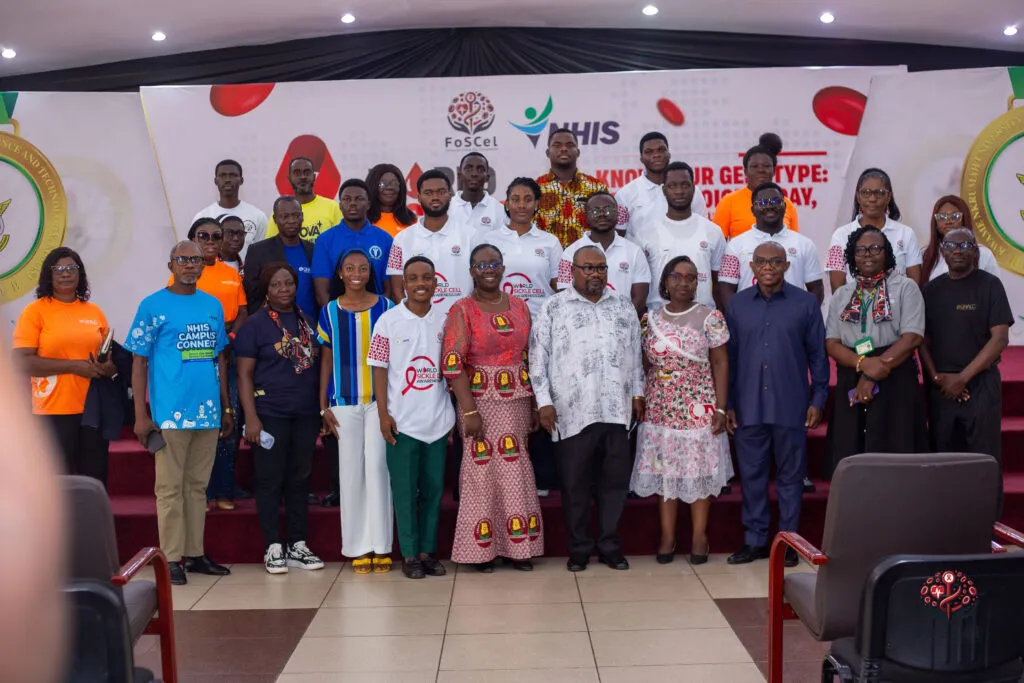
As a journalist, the purpose of the journey was professional: to cover the national climax of the commemoration of World Sickle Cell Awareness Day, organised by the Focus on Sickle-Cell Foundation (FoSCel) in collaboration with the National Health Insurance Scheme (NHIS), held at the Kwame Nkrumah University of Science and Technology (KNUST) on Friday, June 19.
What began as a work assignment quickly transformed into a rich travel experience filled with observation, human connection, cultural immersion, and unexpected detours.
By 9:40 a.m., the journey began in earnest as the bus departed Accra for Kumasi. As a first-time traveller to the Ashanti Region, I was intentional about experiencing every detail of the route, the towns, landscapes, people, and life along the Accra–Kumasi highway.
Our first stop was at the Paradise Executive Rest Stop, a brief but necessary pause where passengers had about ten minutes to refresh, purchase food, and use washroom facilities before continuing the journey.
Back on the road, the rhythm of travel set in. An hour into the journey, I briefly drifted off to sleep, but soon woke up, determined not to miss the unfolding scenery outside the window. What I saw, however, was both captivating and concerning.
Across stretches of land and water bodies, there were visible signs of environmental degradation—the impact of illegal mining activities commonly referred to as galamsey was evident.
Rivers appeared disturbed, vegetation was damaged, and the land bore scars that spoke of long-term ecological consequences. It was a sobering reminder of the environmental cost of human activity and the urgent need for preservation.
After several hours on the road, we arrived at Tech Junction in Kumasi at approximately 3:35 p.m. I stepped off the bus with a quiet sense of accomplishment and reflection. Finally, I was in the Ashanti Region.
I immediately contacted Dr Yaw Asamoah, a lecturer at the University of Education, Winneba (UEW), and Secretary to the Foundation, who kindly came to meet me. Together with two other members of the team, we shared a meal at a local restaurant.
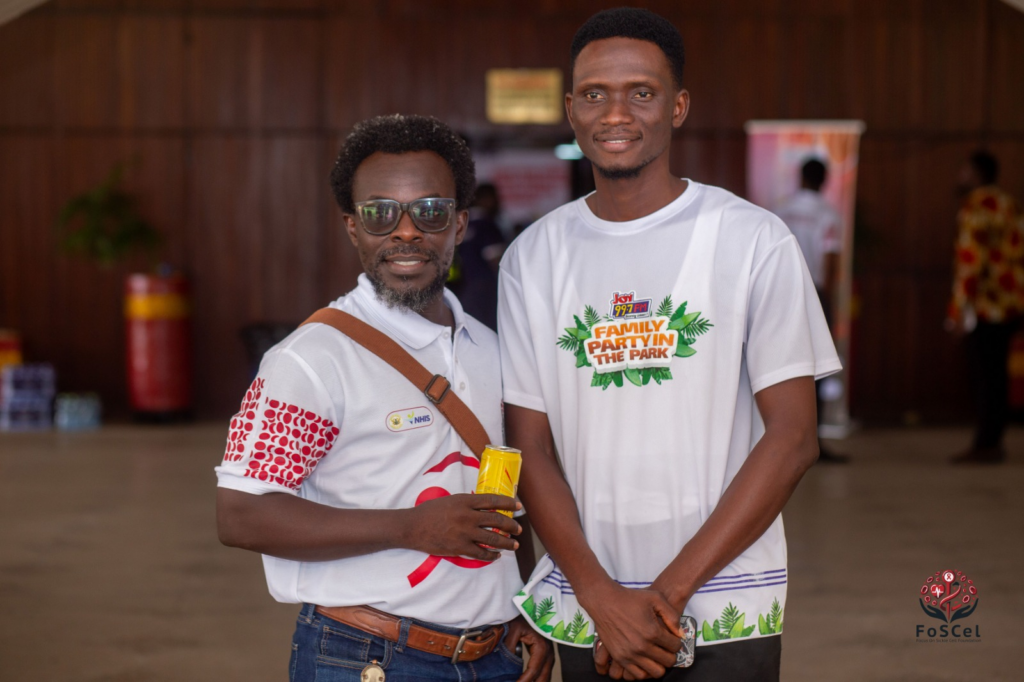
In true Ashanti style, I enjoyed a bowl of fufu, a simple but culturally grounding introduction to the region’s rich culinary tradition.
Following several preparatory meetings ahead of the main event, we later retired to a hotel to rest and prepare for the next day’s programme.
The following day marked the highlight of our assignment. I joined the team early to assist in preparing the venue for the national climax of World Sickle Cell Awareness Day at KNUST.
The event attracted an impressive lineup of dignitaries and health professionals, including the Chairman of Parliament’s Health Committee and Member of Parliament for Nabdam, Dr Mark Kurt Nawaane; the Vice-Chancellor designate of KNUST, Prof Christian Agyare; representatives of the Ghana Health Service, including Dr Samuel Kaba-Akoriyea (on behalf of the Director-General); and the Deputy Director of Public Health, Dr Akosua Gyimah Omari-Sasu.
Hundreds of students from basic, secondary, and tertiary institutions also participated, creating a vibrant and educational atmosphere centred on awareness, advocacy, and public health education on sickle cell disease.
It was a moment that blended policy dialogue, academic engagement, and community participation, all focused on a critical public health issue.
Just when the formal assignment concluded, an unplanned journey unfolded.
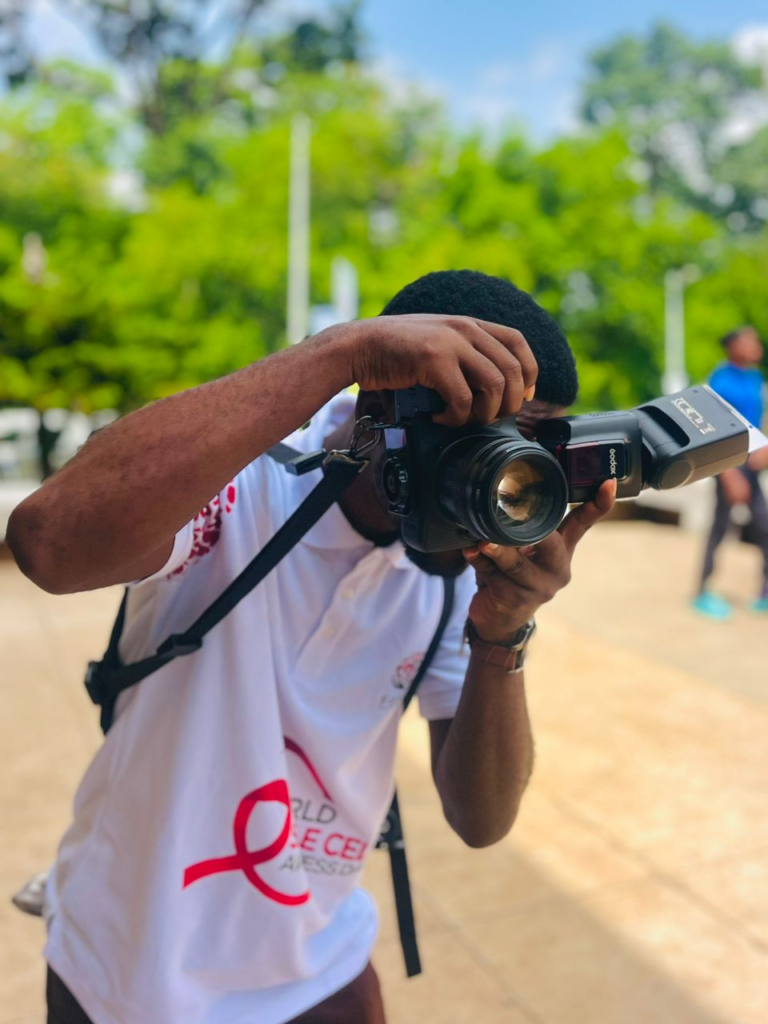
Sir John, officially known as John Sain Donkor, a photographer for the foundation and the Creative Director of Lenxdot Advertising, informed me that he was travelling to a wedding ceremony in Asempaneye, Sefwi Debiso, within the Bia West District of the Western North Region, and would like me to join him to capture videos with my phone while he focuses on taking the wedding photos.
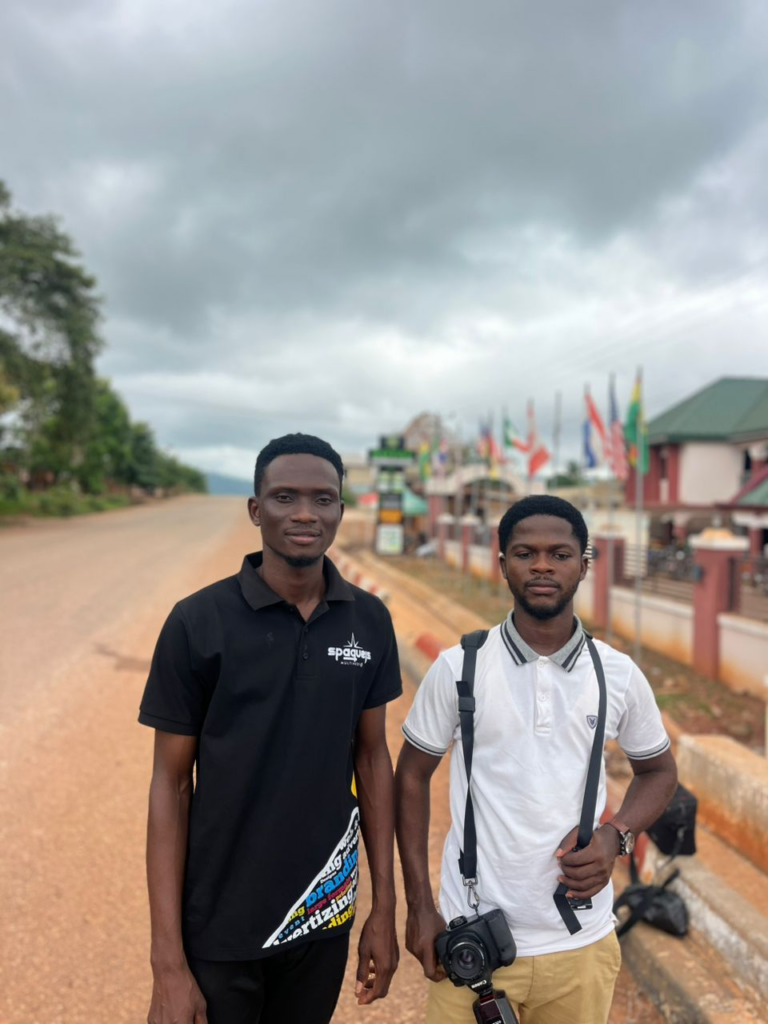
Initially, I was hesitant, especially as it involved another long journey after an already intense schedule and was an impromptu trip.
However, after some consideration, and with expenses fully covered, I decided to accompany him. It turned out to be one of the most memorable decisions of the entire trip.
We boarded a bus at the Kwame Antwi Station in Maakro. Fortunately, we arrived just in time; only two seats were available, both in the front row.
When I attempted to open the door, I realised it was locked. The driver was not yet present, and when he returned, he reacted sharply upon seeing me try the handle, warning me not to damage it.
By 5:10 p.m., we set off towards Sefwhi Debiso.
Before departure, some female passengers shared an interesting claim: that passengers seated in the front are not allowed to sleep during the journey. Curious, I asked the driver about it.
He dismissed it, explaining instead that front-seat passengers often get startled when the vehicle hits potholes, which may have led to the misconception.
That simple question opened the door to an engaging and memorable conversation.
The driver, who had reportedly been plying the same route for nearly 20 years, became an unexpected guide through Ghana’s geography and history. As we travelled, he pointed out towns, shared their names, and narrated stories and historical incidents associated with various communities along the stretch.
What began as a casual conversation evolved into an educational experience filled with humour, insight, and reflection. At one point, my companion fell asleep, but I remained fully engaged, eager to learn more about the places we passed.
Even more striking were the visible effects of illegal mining along the route. Despite the darkness, we saw individuals returning from mining sites in boots and work clothes; a silent confirmation of the environmental issues already observed earlier in the journey.
Sefwhi Debiso, located in the Bia West District of the Western North Region, is part of Ghana’s rich forest belt.
The area is known for its lush vegetation, fertile soils, and strong agricultural economy, particularly in cocoa farming.
Historically, communities such as Sefwi Debiso developed around forestry and cocoa cultivation, with settlers drawn to the region’s rich natural resources and arable land. Over time, the area became a hub for cocoa farming, food crop production, and timber-related activities.
Like many forest communities in Ghana, Sefwi Debiso reflects a blend of traditional livelihoods and modern economic pressures.
While agriculture remains central to life, the community has also been affected by broader national challenges, including environmental degradation linked to illegal mining in the surrounding areas of the Western North Region.
Despite these pressures, the town remains a symbol of Ghana’s agricultural strength and forest heritage, a reminder of the country’s deep connection to land and farming.
The journey continued through pitch-dark communities with little to no street lighting. Roads were empty, and at times, it felt as though we were the only vehicle on the entire stretch.
In a moment of humour, I asked the driver whether he was the only person using the road that night. We all laughed, but the silence of the surrounding environment made the observation feel strangely real.
After about five to six hours of travel, we finally arrived at Sefwi Debiso at approximately 10:40 p.m. We expressed gratitude to the driver for his patience, friendliness, and willingness to share knowledge throughout the journey.
The next day, we successfully carried out our assignment by documenting the beautiful wedding ceremony of Mr and Mrs Kwarteng. It was a colourful and joyous occasion that contrasted sharply with the long, rugged journey that brought us there.
After completing our duties, our paths diverged. My colleague remained in Kumasi for additional engagements, while I prepared for my return to Accra.
From Sefwi Debiso, we returned to Kumasi around 9:00 p.m. and later boarded a VIP bus at Asafo at 10:13 p.m. for the journey back to Accra.
We finally arrived in Accra at approximately 3:50 a.m. on Sunday, June 21.
What began as a professional assignment evolved into a deeply enriching travel experience across regions, cultures, and communities.
From the bustling streets of Accra, through the academic and cultural heartbeat of Kumasi, into the quiet, forested landscapes of Sefwi Debiso, the journey revealed a Ghana full of contrasts, development and decline, beauty and concern, silence and vibrancy.
For me, this was more than travel. It was exploration, reflection, and storytelling in motion; a reminder that every road carries not just passengers, but stories waiting to be told.
Author: Emmanuel Tetteh
Email: tettehkezy8585@gmail.com
Latest Stories
-
Teacher unions threaten strike over automatic promotion deadline
6 minutes -
Over 400 companies ready to join 24-Hour Economy – Dr Rashid Pelpuo
12 minutes -
Zanetor proposes CSIR funding for cassava, hemp-based alternatives to plastics
18 minutes -
‘Judges don’t mingle with appointing authorities’ – Amoako Asante defends judicial independence
24 minutes -
‘We’re getting close to A’ – Pelpuo rates government’s job creation B+
30 minutes -
Suspended Catholic priest found at Koforidua Police Training Centre – Diocese
36 minutes -
90% of planned strikes were called off under my tenure – Pelpuo
41 minutes -
Petrosol has never defaulted on bank support in 12 years, says CEO
44 minutes -
Mahama backs crackdown on airport workers begging visitors for tips
45 minutes -
ICT can help clear court backlog – Supreme Court nominee Forson
47 minutes -
Police ban concrete mixer trucks from Accra, Tema roads for three days
53 minutes -
Education Ministry to amend law to restore faith -based representation on GES Council
59 minutes -
‘I have no problem with Public Tribunals Act’ – Supreme Court nominee Forson
1 hour -
Petrosol CEO Michael Bozumbil explains how trust fuelled company’s growth
1 hour -
Motorists urged to give way to bullion vehicles
1 hour