

Audio By Carbonatix
The Christian Health Association of Ghana (CHAG), the Ministry of Health and development partners have pledged to strengthen healthcare delivery through closer collaboration and increased investment in frontline health facilities.
The commitment includes expanding access to underserved communities, improving the quality of care and accelerating the implementation of the government's Free Primary Healthcare programme.
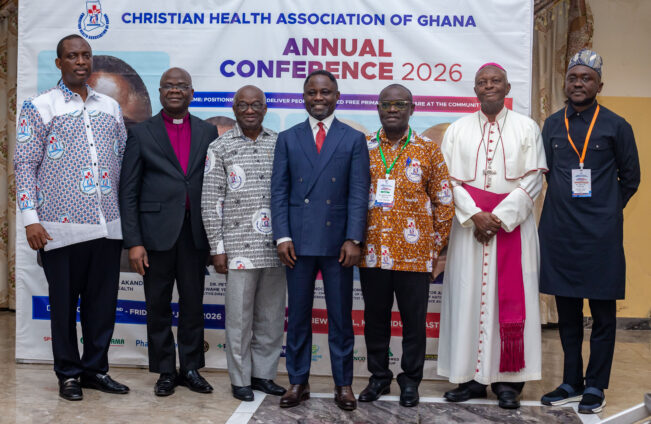
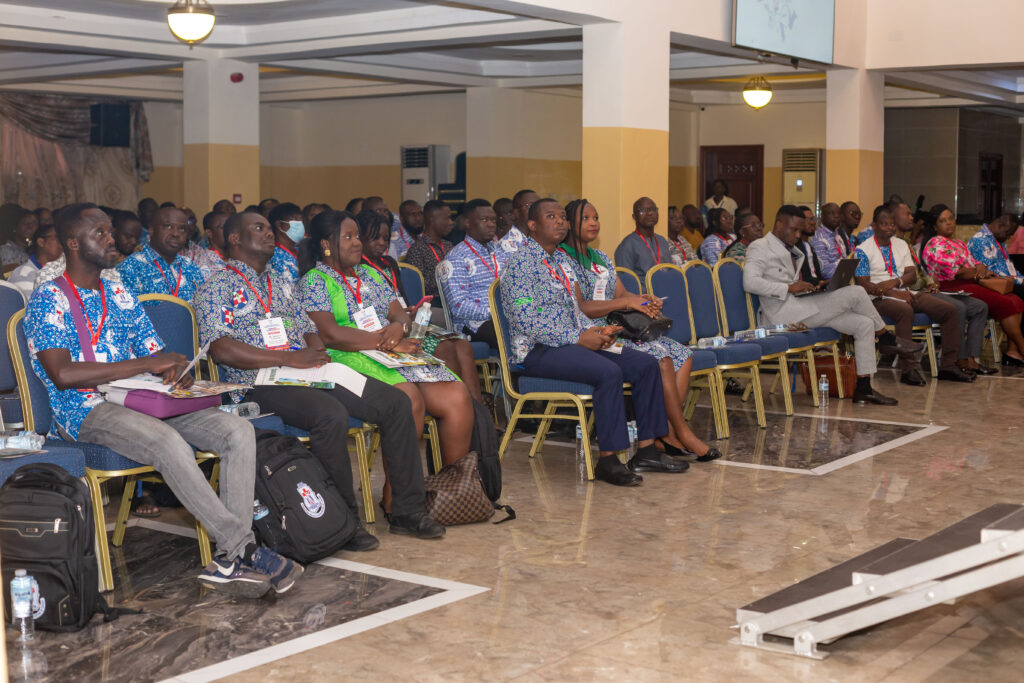
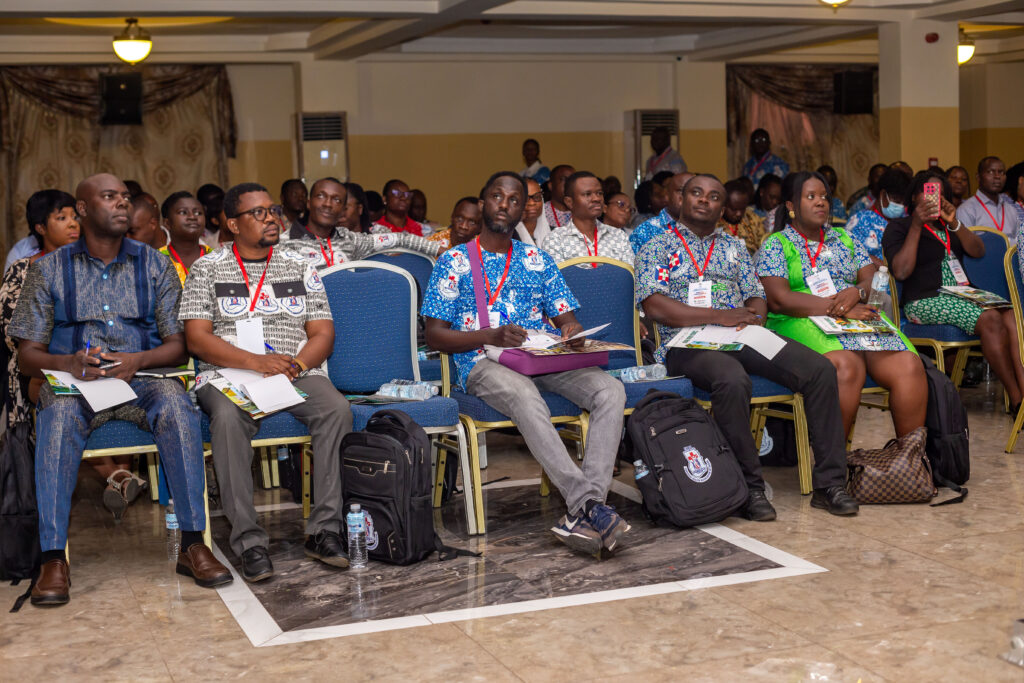
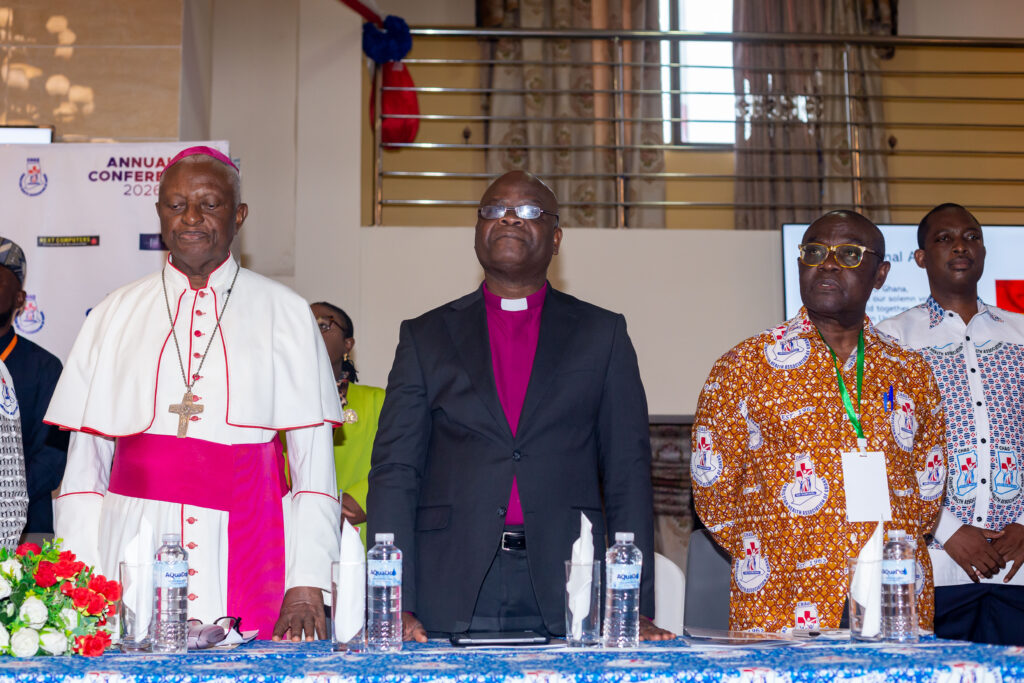
The commitments were made at the 2026 Annual Conference of the Christian Health Association of Ghana (CHAG) in Koforidua, where policymakers, healthcare professionals and development partners converged under the theme "Positioning CHAG for People-Centred Free Primary Healthcare."
The conference comes at a time when the government has begun rolling out its flagship Free Primary Healthcare programme, launched by President John Mahama in April this year. The initiative seeks to remove financial barriers to accessing essential health services while shifting Ghana's health system from one largely focused on treating illness to one that prioritises prevention, early detection and community-based care.
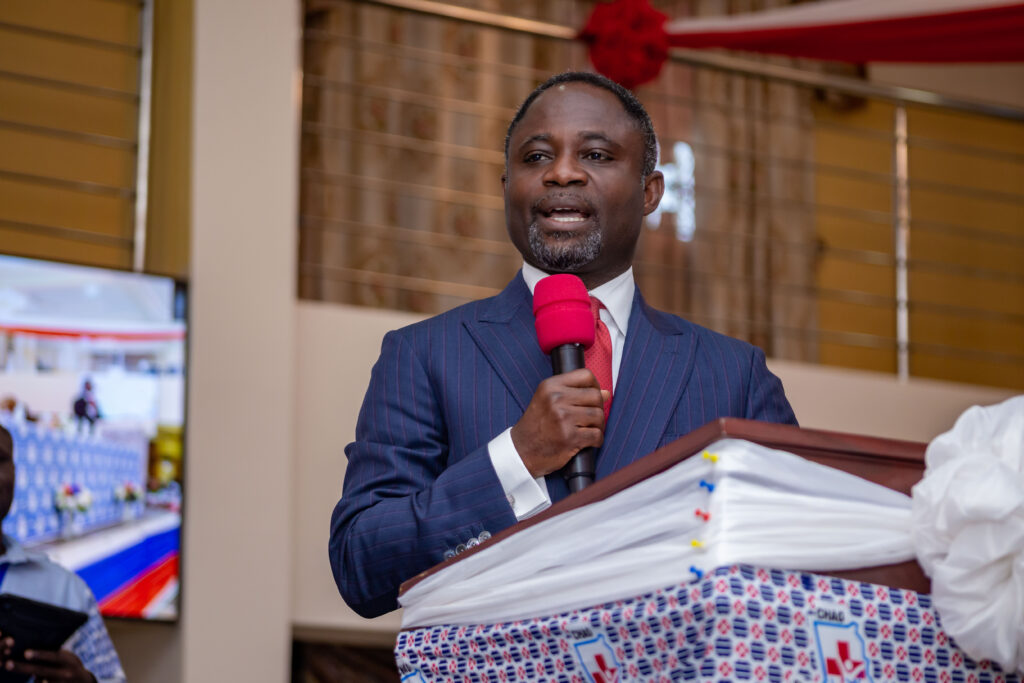
Health Minister Kwabena Mintah Akandoh said the success of the programme would depend on investments in infrastructure, equipment and healthcare workers.
As part of that effort, government is investing more than GH¢500 million to procure over 24,000 pieces of medical equipment for distribution to primary healthcare facilities across the country.
"We are not merely announcing a policy. We are putting in place the resources required for implementation," the Minister said.
The equipment will be supplied to health centres, CHPS compounds and other frontline facilities, including those operated by CHAG, which has been designated as one of the implementing agencies under the Free Primary Healthcare programme.
According to the Minister, primary healthcare can address nearly 80 per cent of the country's health needs through disease prevention, health promotion, early diagnosis and treatment before illnesses become severe.
He explained that under the new programme, healthcare workers will routinely visit homes, churches and communities to screen residents for conditions such as hypertension and diabetes, allowing patients to receive treatment before complications develop.
Beyond strengthening existing facilities, government is also reviewing how to operationalise unfinished health infrastructure.
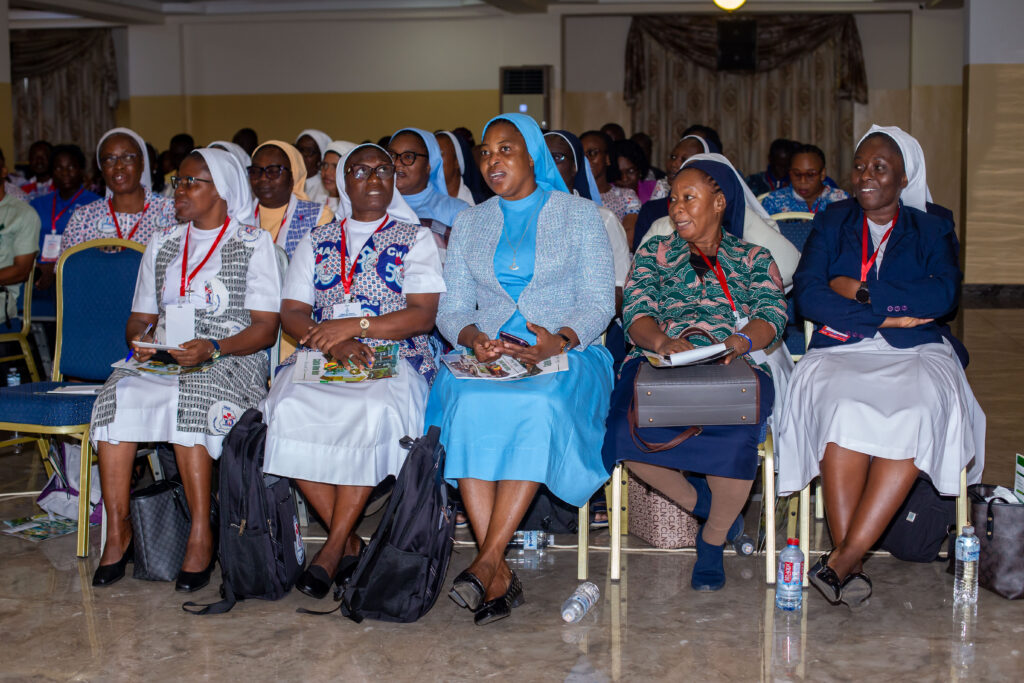
Mr Akandoh disclosed that government has prioritised the completion and operationalisation of 35 health facilities currently under construction while exploring partnerships with faith-based organisations to manage other facilities capable of serving surrounding communities.
"I have directed the Chief Director and the relevant officials to engage the churches. Where there are facilities that faith-based organisations are willing and able to manage, we should work together to ensure they begin serving the people," he stated.
The Minister also revealed encouraging progress in staffing deprived communities.
According to him, only 12 medical doctors accepted postings to deprived areas in 2024. This year, however, more than 100 doctors have accepted such postings.
Despite the improvement, he acknowledged that several districts still do not have a resident medical doctor, describing equitable distribution of healthcare professionals as one of the government's biggest challenges.
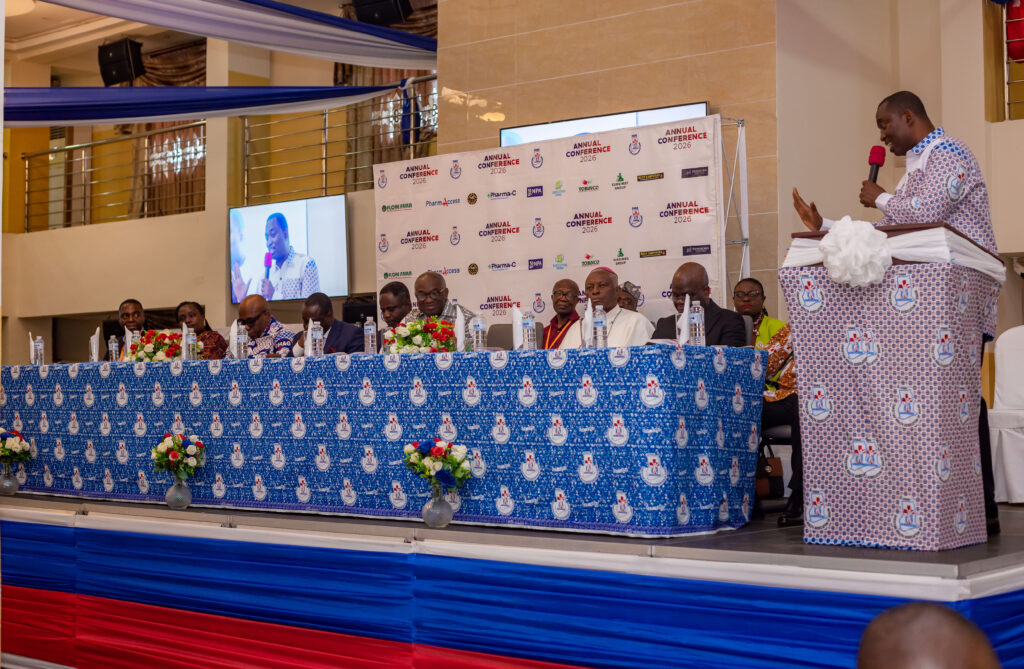
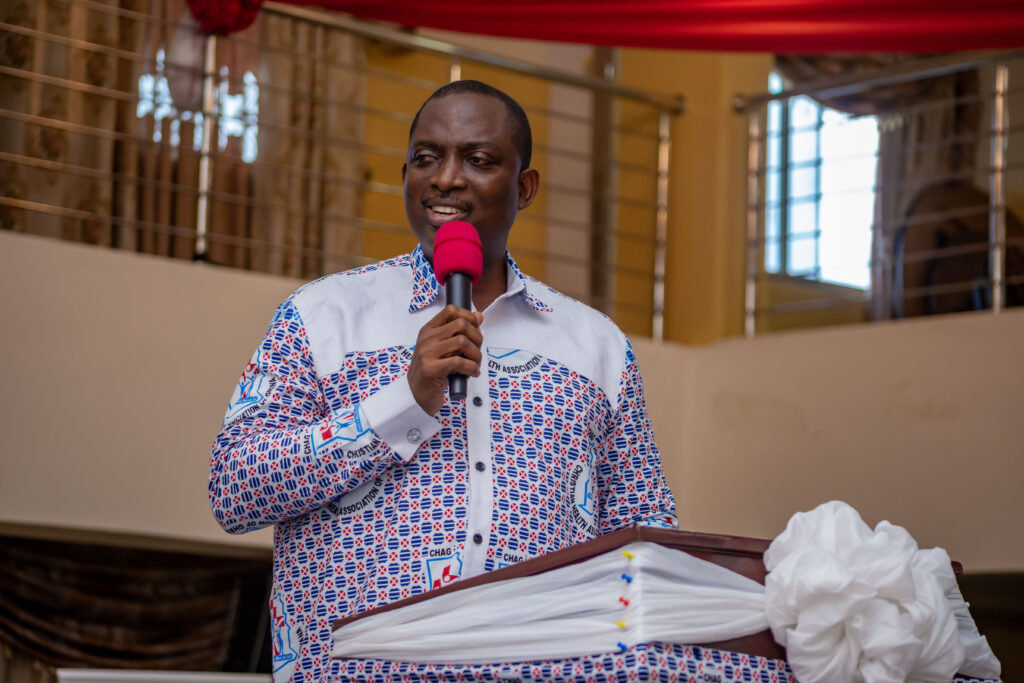
For CHAG, the Free Primary Healthcare initiative aligns naturally with its long-standing mission.
Executive Director Dr Peter Kwame Yeboah said the association has formally committed to supporting the programme, describing it as a bold and transformative policy capable of accelerating Ghana's journey towards Universal Health Coverage.
Although CHAG accounts for only about 7 per cent of Ghana's health infrastructure, it delivers between 30 and 40 per cent of healthcare services through its network of 375 hospitals, clinics and health centres spread across all 16 regions.
Every year, between eight and ten million patients receive care through CHAG facilities, many located in deprived and hard-to-reach communities where other providers often struggle to operate.
Beyond service delivery, CHAG also operates 22 accredited health training institutions that produce about 3,400 healthcare professionals annually.
Dr Yeboah described the association's rural presence as one of Ghana's greatest strategic healthcare assets.
"For years, many institutions have come and gone, but CHAG facilities have remained, providing hope, stability and continuity of healthcare services," he said.
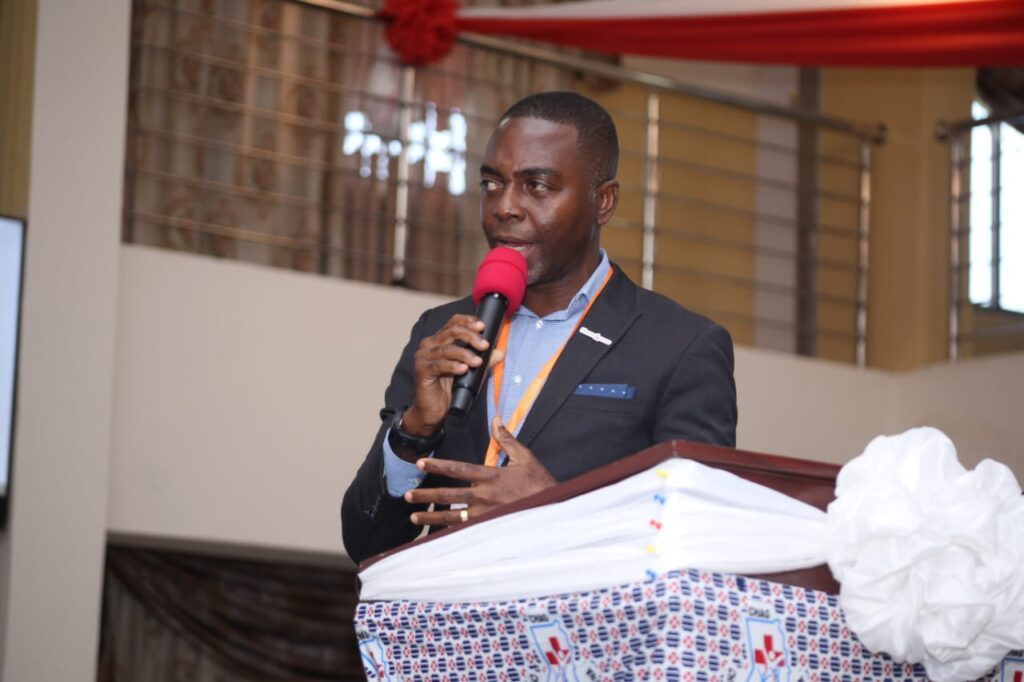
Supporting these reforms is international development organisation PharmAccess Ghana, whose partnership with CHAG has increasingly focused on healthcare quality, digital innovation and sustainable financing.
Country Director DDrMaxwell Antwi announced that CHAG is now on course to producing Ghana's first Level Five SafeCare health facility - the highest accreditation under the internationally recognised SafeCare quality improvement programme.
SafeCare provides hospitals and clinics with internationally recognised standards for measuring and improving patient safety, governance, clinical care and operational performance.
The programme is currently implemented in 27 countries, covering approximately 13,000 healthcare facilities that collectively serve nearly 100 million patients annually.
In 2024, Ghana adopted SafeCare as its national quality improvement framework, with implementation extending across both CHAG and public health facilities.
"We are hopeful that CHAG will soon produce Ghana's first Level Five SafeCare facility. That would be a significant milestone for Ghana's health sector," Dr Drntwi said.
PharmAccess is also supporting CHAG through its Medical Credit Fund, which has invested more than €200 million in nearly 2,000 healthcare providers across five African countries over the past decade.
The financing supports infrastructure improvements, medical equipment acquisition and business development services to strengthen the long-term sustainability of healthcare facilities.
The organisation has further introduced a digital health platform that allows patients with hypertension to monitor their blood pressure from home while clinicians review readings remotely and intervene before scheduled clinic appointments.
According to Dr Antwi, the innovation has improved blood pressure control among participating patients from 26 per cent to approximately 60 per cent and is currently being used in 22 CHAG facilities.
He said the initiative complements the government's Free Primary Healthcare programme by strengthening prevention and long-term management of non-communicable diseases.
Beyond infrastructure and technology, speakers stressed that healthcare must remain people-centred.
Executive Director of Global Life Changers, Dr James Ziekye, urged healthcare workers to place patients above institutional hierarchy, arguing that compassion should become a measurable standard in healthcare delivery.
"The most powerful person in every organisation is not the bishop, the CEO, the medical director or the administrator. The most powerful person is the customer," he said.
He challenged Christian health institutions to view customer care not merely as a professional obligation but as an extension of Christ's healing ministry, urging managers to invest as much in compassion and patient experience as they do in infrastructure and equipment.
Collectively, the commitments announced at the conference reflect a broader effort to reposition Ghana's health system around accessible, preventive and people-centred care. With government investing in equipment, expanding the health workforce, exploring new partnerships to operationalise health facilities and leveraging digital technology to improve patient outcomes, stakeholders say the foundations are being laid for stronger primary healthcare and the country's long-term goal of achieving Universal Health Coverage.
Latest Stories
-
Ghana High Commission to UK steps in as stranded musician Barosky considers returning home
27 minutes -
Health service support centres to give patients in 3 West African countries a stronger voice in healthcare
2 hours -
Akufo-Addo mourns late Ya-Naa Abukari II at Gbewaa Palace
2 hours -
The Mother’s secret: How Eni Akonobea turned motherhood into a philosophy for flourishing
2 hours -
JoySports Invitational 2026: Corporate Ghana wraps up a day of thrilling sporting action at Legon
3 hours -
Rotary Club of Accra-Airport, SCEF donate school supplies to over 200 street-connected children
4 hours -
NPP begins vetting of 47 national officer aspirants Monday
4 hours -
BoG inaugurates committee to probe seized foreign currency at Ghana’s borders
4 hours -
NPP internal elections: 47 out of 50 aspirants file nominations; three bow out
4 hours -
Fix Tema Port, roads to cut logistics costs and boost trade — Oro Oil CEO, Maxwell Commey
4 hours -
Undeclared forex undermines financial intelligence, formal market – BoG Governor
5 hours -
GIPA CEO calls for stronger coordination to provide a clearer picture of investment activity
5 hours -
Afenyo-Markin’s lawyers reject claims he is avoiding service on Sammy Gyamfi
6 hours -
Photos: Mahama swears in Ayariga, Zanetor as new Ministers
6 hours -
Check out the list of 100 universities not recognised by GTEC as of August 2026
6 hours