

Audio By Carbonatix
The World Health Organisation (WHO) has urged Ghana to place communities – not health systems – at the centre of ongoing healthcare reforms, stressing that Universal Health Coverage will only become a reality when people can easily access quality healthcare where they live.
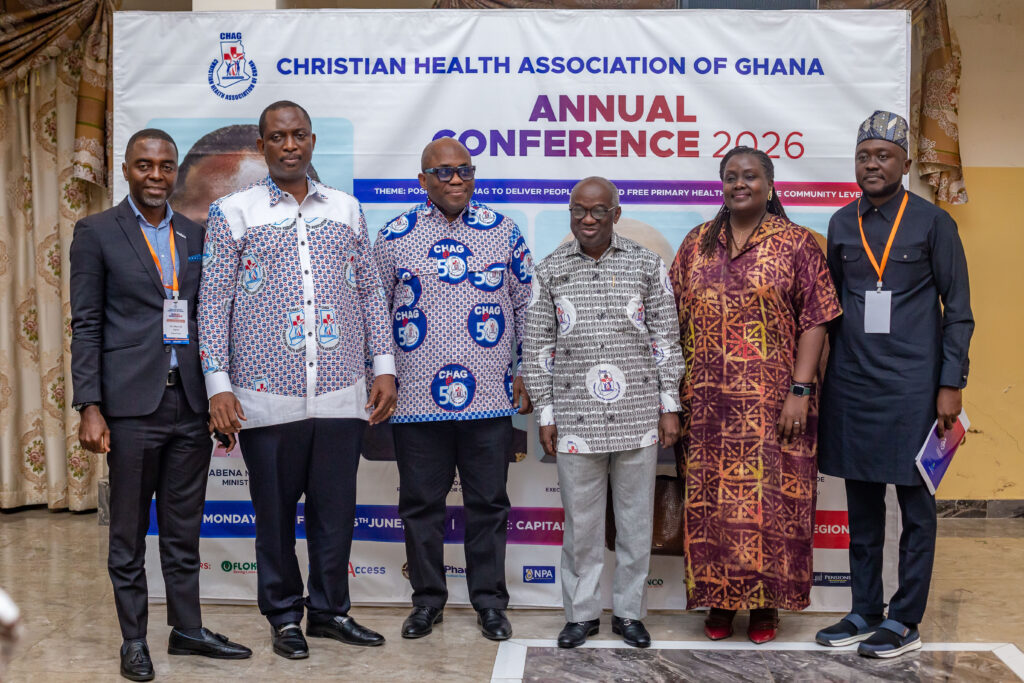
Speaking at the opening of the 2026 Christian Health Association of Ghana (CHAG) Annual Conference in Koforidua, WHO Representative to Ghana, Dr. Fiona Braka, said people-centred healthcare goes beyond expanding services and requires health systems to respond to the everyday realities of the communities they serve.
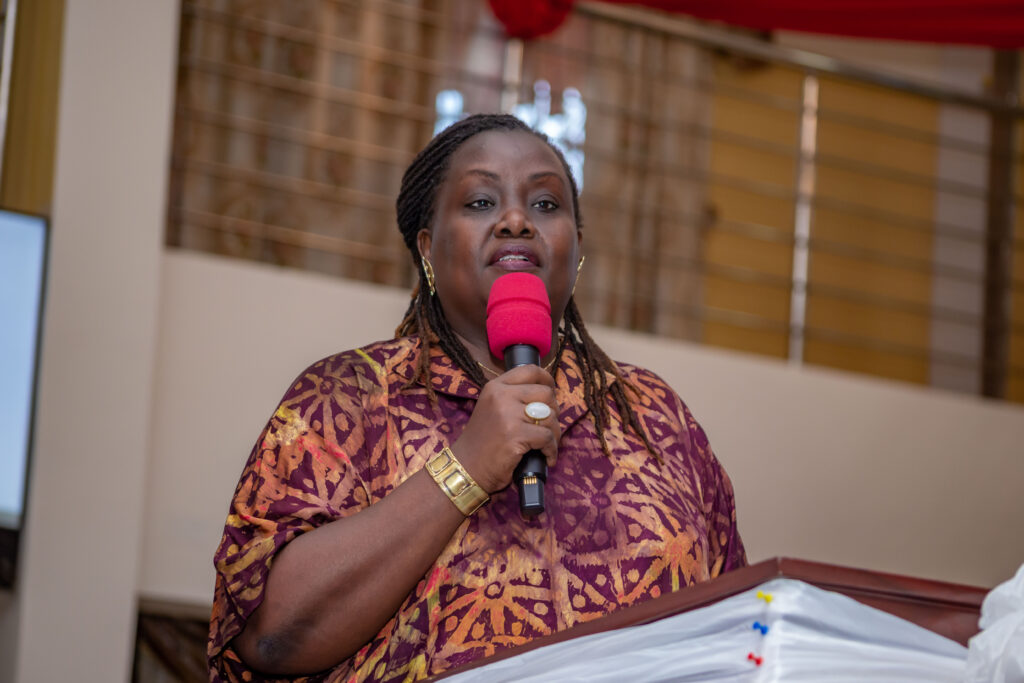
"People-centred care means much more than simply providing services. It means listening to communities, respecting their dignity, responding to their needs and ensuring that health services are organised around the realities of people's lives," she said.
According to Dr. Braka, the government's Free Primary Healthcare programme presents Ghana with an opportunity to redesign healthcare around people's needs while accelerating progress towards Universal Health Coverage.
"The Government of Ghana's commitment to implementing Free Primary Healthcare presents us with a unique opportunity to accelerate progress towards Universal Health Coverage and to ensure that quality, essential health services are accessible to everyone, regardless of where they live or their ability to pay," she stated.
The public health expert said achieving that ambition requires more than policy commitments, insisting that healthcare must reach people who continue to face barriers to accessing basic services.
"It means reaching those who are most often left behind and ensuring that every individual, every family and every community can access quality healthcare when and where they need it," she said.
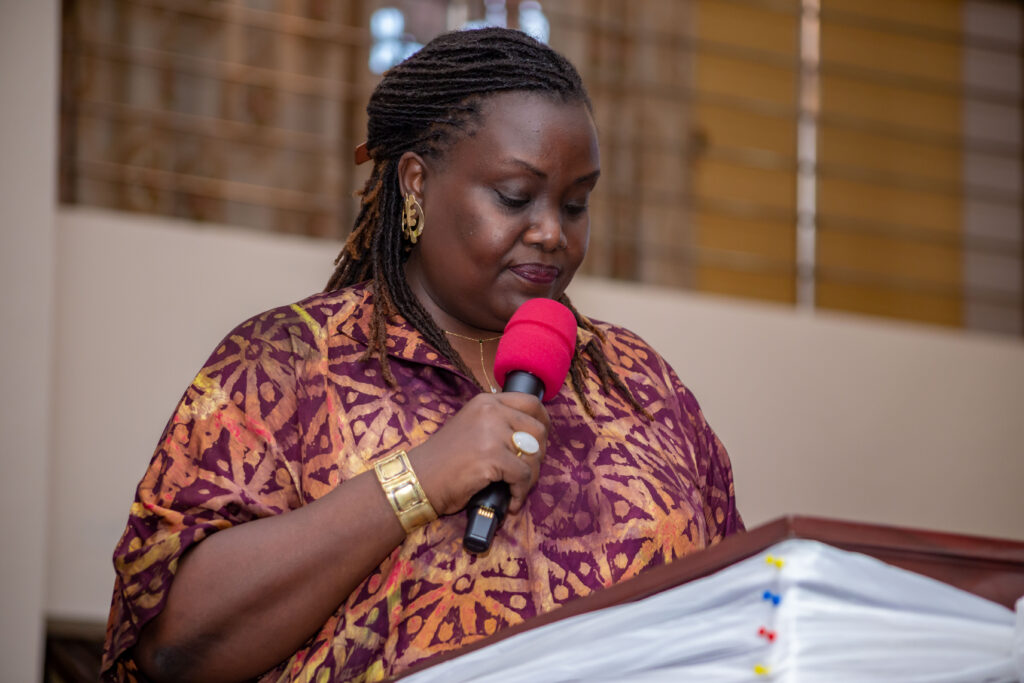
Dr. Braka observed that despite progress in expanding healthcare, significant disparities remain across Ghana, with many families in rural communities still travelling long distances to access primary healthcare and treatment for non-communicable diseases.
"Recent evidence reminds us that access to health services remains uneven across Ghana. In many districts, families still travel long distances to access basic primary healthcare services and treatment for non-communicable diseases," she noted.
The WHO Representative said countries that have successfully advanced towards Universal Health Coverage have done so by investing in strong primary healthcare systems rather than relying predominantly on hospital-based care.
"Globally, the evidence is clear. Countries that have made significant progress towards Universal Health Coverage have done so by building strong primary healthcare systems," she said.
She explained that strong primary healthcare delivers multiple benefits beyond improving access to care.
"Primary healthcare improves health outcomes, promotes equity, reduces avoidable hospital admissions, strengthens health system resilience and provides the most efficient pathway towards achieving Sustainable Development Goal Three on health and well-being," Dr. Braka stated.
She described the Christian Health Association of Ghana as one of the country's most important partners in making people-centred healthcare a reality because of its longstanding presence in communities that are often underserved.
"When we speak about community-centred and people-centred healthcare in Ghana, it is impossible not to recognise the remarkable contribution of CHAG," she said.
"For many decades, CHAG has been a pillar of Ghana's health system. Through its network of hospitals, clinics, health training institutions and community-based services, CHAG has brought healthcare closer to millions of Ghanaians, particularly those living in rural, remote and underserved communities," she added.
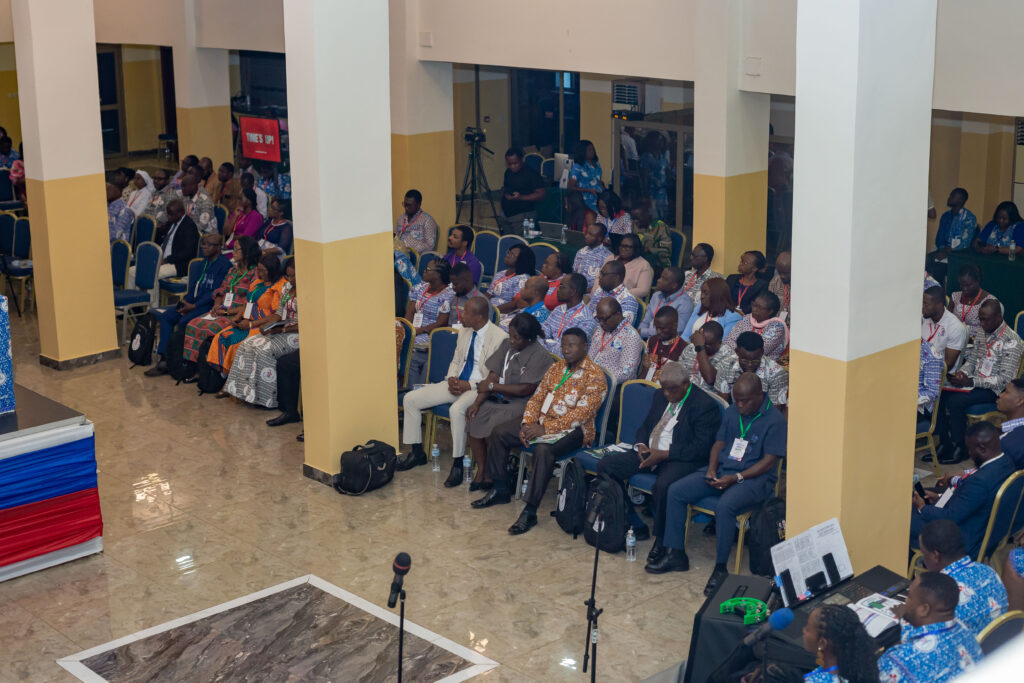
Dr. Braka said CHAG's extensive network and trusted relationships with communities make the association indispensable to the successful implementation of the Free Primary Healthcare programme.
"As Ghana embarks on the implementation of Free Primary Healthcare, CHAG's extensive presence, experience and trusted relationships with communities position it as a critical partner in ensuring that this reform translates into meaningful improvements in people's lives," she said.
She, however, stressed that delivering effective primary healthcare cannot be the responsibility of government alone.
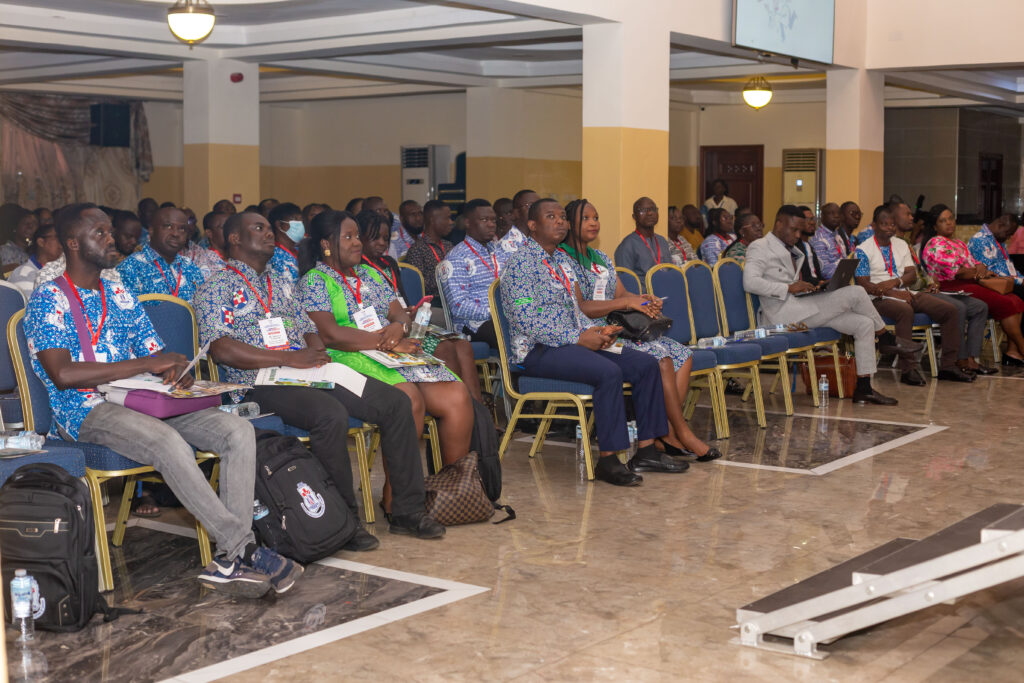
"Strong primary healthcare cannot be delivered by government alone. It requires partnerships. It requires collaboration among public institutions, faith-based organisations, private healthcare providers, civil society, communities, academia and development partners," she said.
Dr. Braka reaffirmed the World Health Organization's commitment to supporting both the Government of Ghana and CHAG as they work to strengthen primary healthcare and improve health outcomes across the country.
"Working together, we can build a health system that is equitable, resilient, people-centred and capable of delivering better health outcomes for all," she said.
Latest Stories
-
Health service support centres to give patients in 3 West African countries a stronger voice in healthcare
25 minutes -
Akufo-Addo mourns late Ya-Naa Abukari II at Gbewaa Palace
29 minutes -
The Mother’s secret: How Eni Akonobea turned motherhood into a philosophy for flourishing
39 minutes -
JoySports Invitational 2026: Corporate Ghana wraps up a day of thrilling sporting action at Legon
2 hours -
Rotary Club of Accra-Airport, SCEF donate school supplies to over 200 street-connected children
2 hours -
NPP begins vetting of 47 national officer aspirants Monday
2 hours -
BoG inaugurates committee to probe seized foreign currency at Ghana’s borders
2 hours -
NPP internal elections: 47 out of 50 aspirants file nominations; three bow out
3 hours -
Fix Tema Port, roads to cut logistics costs and boost trade — Oro Oil CEO, Maxwell Commey
3 hours -
Undeclared forex undermines financial intelligence, formal market – BoG Governor
3 hours -
GIPA CEO calls for stronger coordination to provide a clearer picture of investment activity
4 hours -
Afenyo-Markin’s lawyers reject claims he is avoiding service on Sammy Gyamfi
4 hours -
Photos: Mahama swears in Ayariga, Zanetor as new Ministers
4 hours -
Check out the list of 100 universities not recognised by GTEC as of August 2026
4 hours -
Mahama in Luanda for 21st AU Extraordinary Session on conflict resolution
5 hours