

Audio By Carbonatix
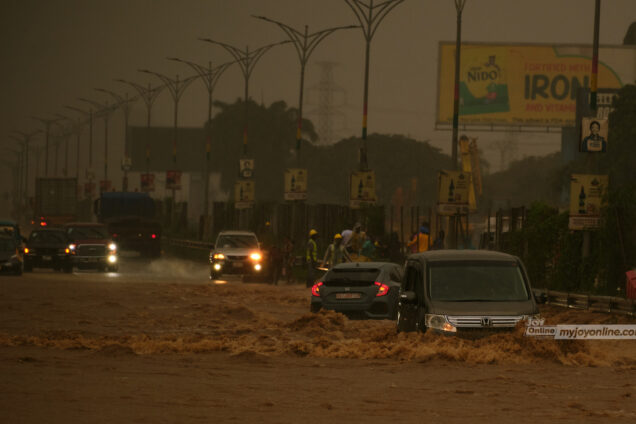
The devastating floods that followed yesterday's torrential downpour across parts of Accra have once again laid bare the fragility of our capital city in the face of extreme weather.
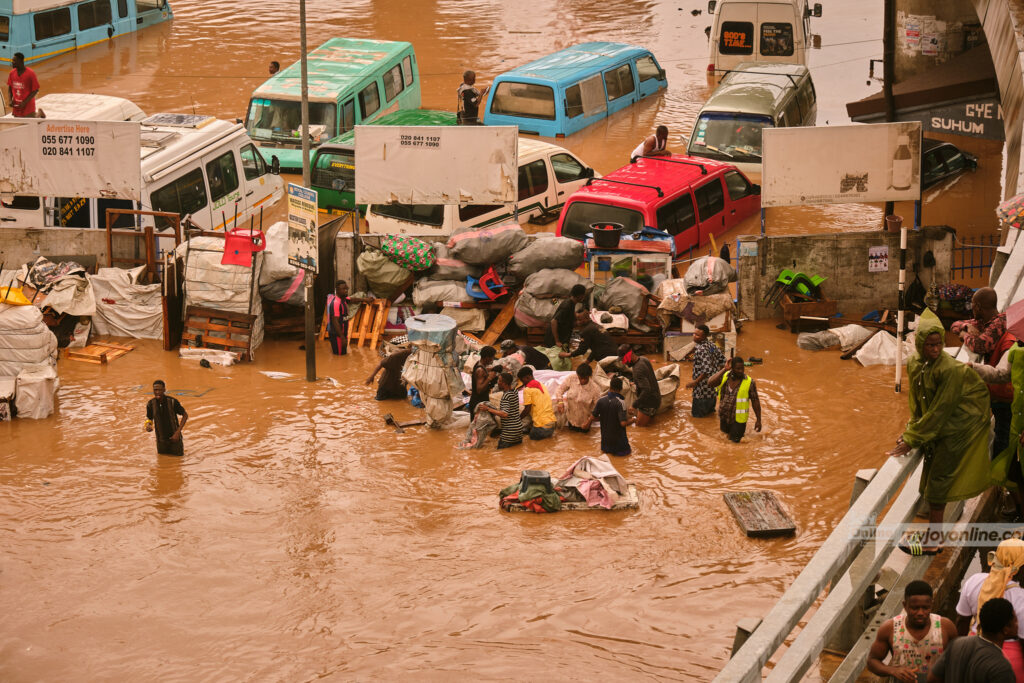
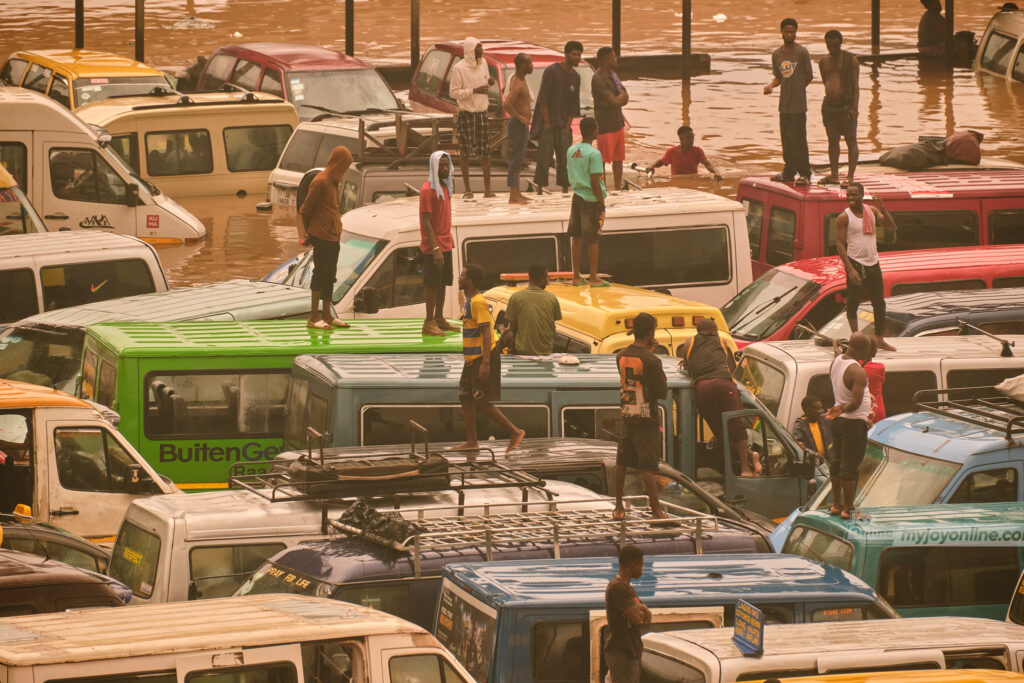
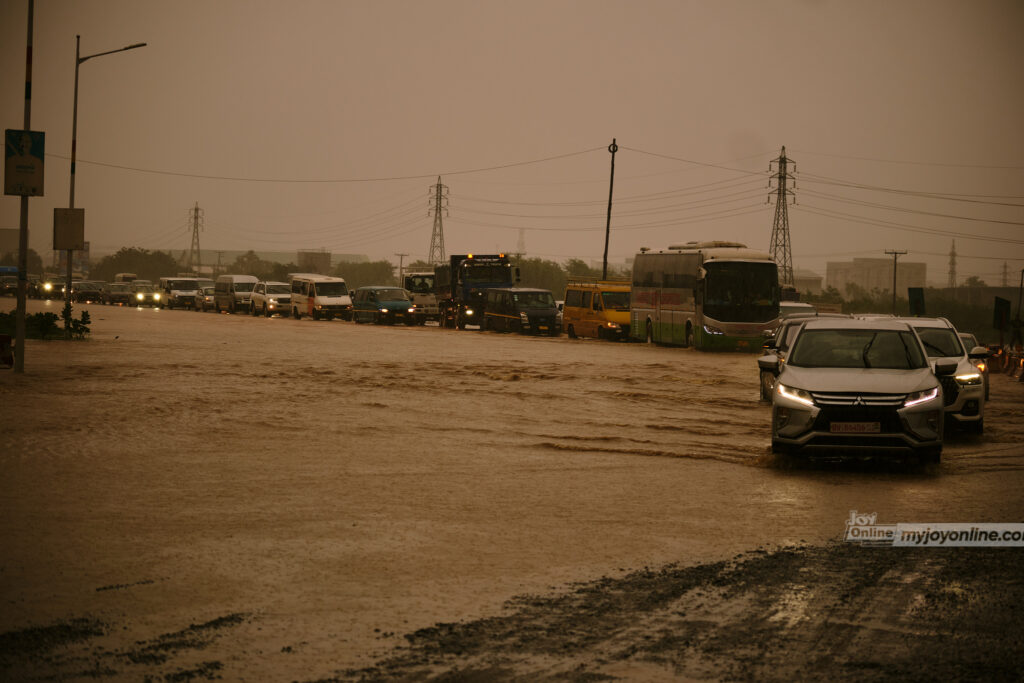
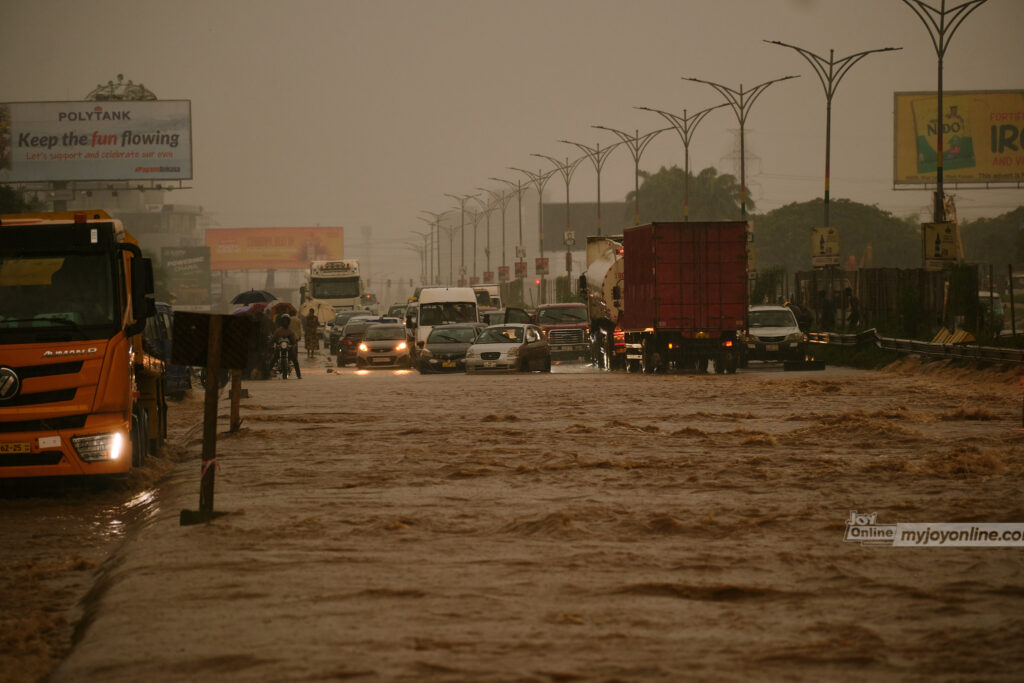
Lives have been lost, homes and businesses destroyed, vehicles stranded in hours-long gridlock, and countless families are now left to pick up the pieces of what was once their livelihood.
For many Ghanaians, these floods are no longer shocking—they have become a tragic annual occurrence. Yet familiarity must never breed complacency. Every life lost is one too many, and every business washed away represents years of sacrifice and hard work erased in a matter of hours.
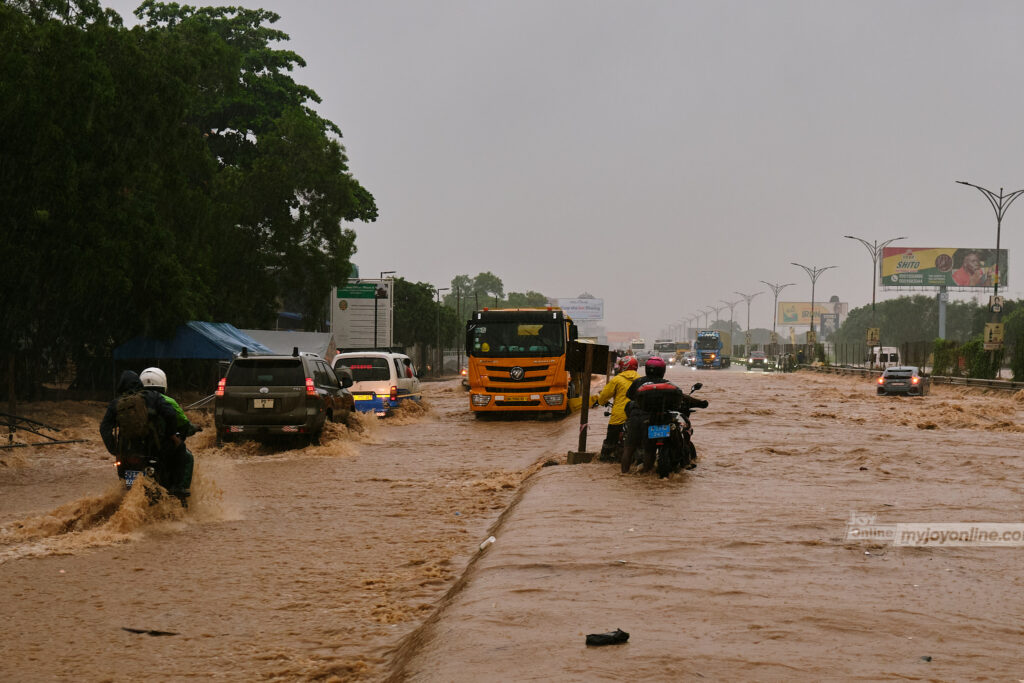
Among the most heartbreaking scenes were those captured at the Community 18 Toyota Roundabout near the Tema Motorway. As floodwaters engulfed shops and swept away merchandise, one business owner watched helplessly as years of investment disappeared before their very eyes. What followed, however, was perhaps even more disturbing.
Instead of joining efforts to salvage the owner's property, some individuals rushed to collect toiletries, drinks, and other items being carried away by the floodwaters for their own benefit.
That image should trouble us all.
Natural disasters often reveal the true character of a society. They present opportunities for communities to demonstrate compassion, solidarity and selflessness.
Sadly, the actions of those who chose to enrich themselves from another person's misfortune reflected a worrying erosion of our collective values. In moments of crisis, our first instinct should be to help those in distress, not to exploit their vulnerability.
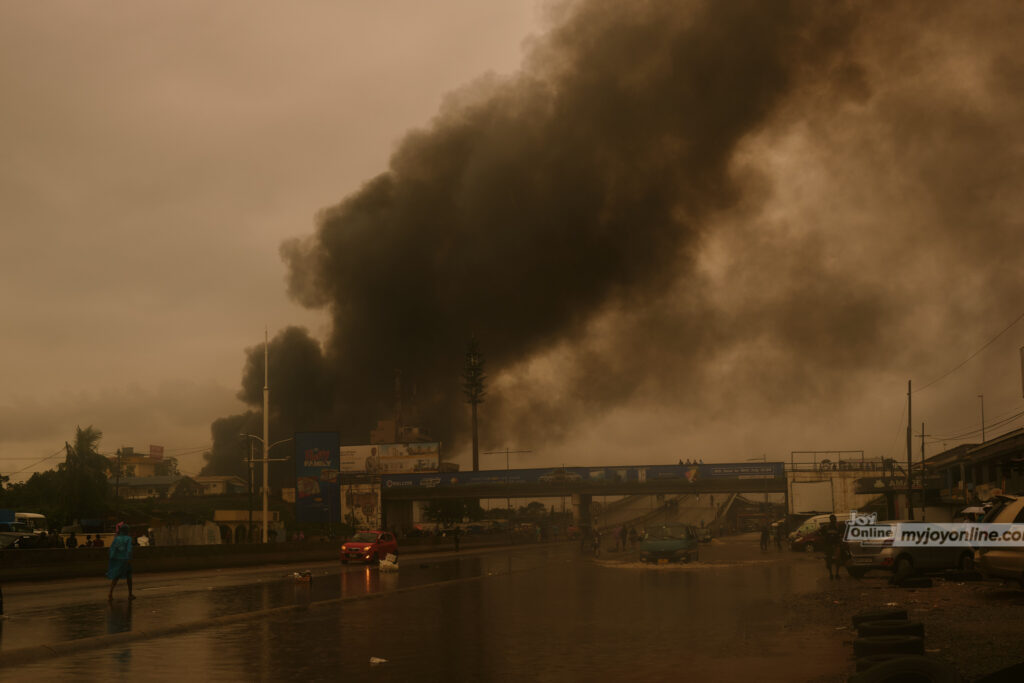
In another remarkable scene, a man was captured swimming through dangerous floodwaters with a goat held above the water, desperately trying to reach safety. While the image drew admiration and sympathy, it also underscored the desperation many citizens face when confronted with disasters that continue to expose glaring weaknesses in our preparedness.
Following the disaster, President John Dramani Mahama conducted an aerial inspection of the affected areas. His observation deserves careful consideration. He noted that Ghana experienced only about seven dry days throughout June, describing it as a natural occurrence beyond human control. However, he rightly added that engineering failures and man-made factors cannot be ignored.
That statement captures the essence of the challenge before us.
Climate change has undoubtedly altered rainfall patterns across the world, bringing more intense and prolonged downpours. We cannot control the amount of rain that falls. What we can control, however, is how prepared we are to manage it.
Unfortunately, our record leaves much to be desired.
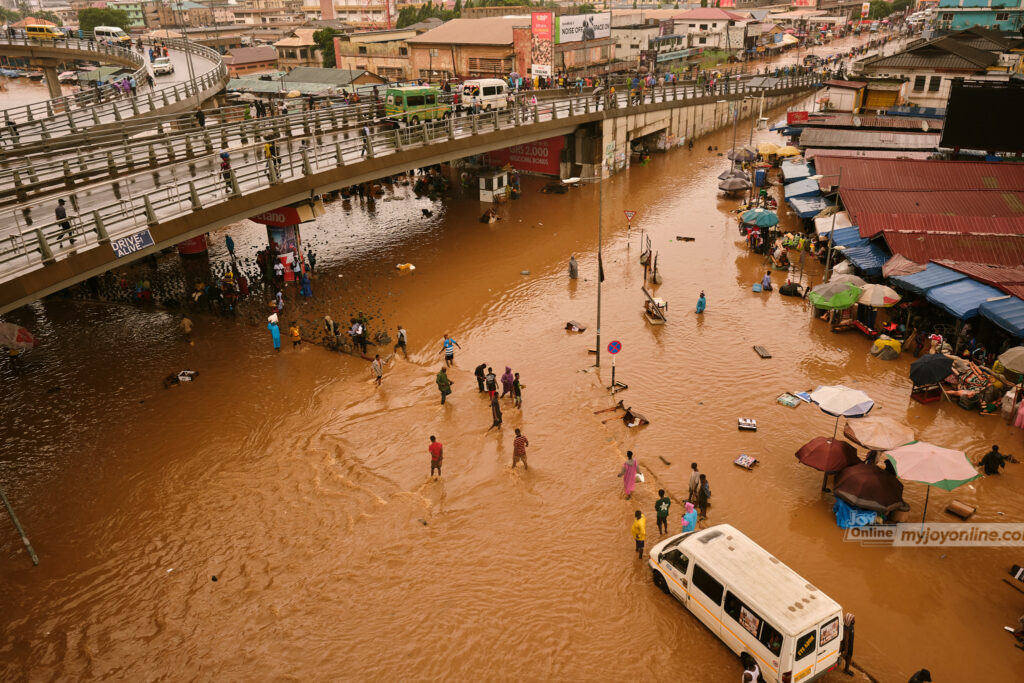
Poor drainage systems, choked gutters filled with plastic waste, indiscriminate disposal of refuse, weak enforcement of planning regulations, and the continued construction of buildings on waterways have all combined to turn heavy rainfall into recurring national emergencies.
Wetlands that once served as natural flood buffers have steadily given way to housing developments, while drains designed decades ago can no longer cope with today's rainfall intensity.
The consequences are predictable.
Roads become rivers, businesses become casualties, emergency services become overwhelmed, and families mourn loved ones whose deaths could, in many cases, have been prevented.
Yet government alone cannot shoulder the blame.
Flood prevention begins with individual responsibility. Every plastic bottle carelessly thrown into a drain, every heap of refuse dumped into a gutter, every unauthorised structure erected on a watercourse contributes to the disaster that eventually engulfs entire communities. Civic responsibility cannot be seasonal. It must become a way of life.
Equally concerning is our attitude towards disaster warnings. Time and again, motorists attempt to drive through flooded roads despite repeated advice from emergency agencies.
Pedestrians risk crossing fast-moving floodwaters, while some residents refuse to evacuate flood-prone areas until it is too late. Such decisions often end in tragedy.
If we are serious about ending this cycle, then our response must move beyond expressions of sympathy after every disaster.
First, the government must invest significantly in modern drainage infrastructure. Existing drains should be expanded, regularly desilted, and properly maintained throughout the year rather than only when the rainy season begins. Flood control engineering must become an integral part of urban development rather than an afterthought.
Secondly, planning laws must be enforced without fear or favour. Illegal structures obstructing waterways should be removed promptly, regardless of the status or influence of their owners. Future developments must adhere strictly to environmental and planning regulations.
Waste management also demands urgent attention. Metropolitan, Municipal and District Assemblies should strengthen refuse collection systems while imposing meaningful sanctions on those who pollute drains and waterways.
At the same time, sustained public education campaigns should encourage behavioural change, making environmental responsibility a shared national duty rather than solely a governmental obligation.
Furthermore, disaster preparedness should become part of our educational curriculum and community life. Schools, religious institutions, community organisations and the media all have a responsibility to educate citizens on flood safety, environmental stewardship and emergency response.
Perhaps most importantly, we must rebuild our culture of empathy.
The images from Community 18 should provoke serious national reflection. A society that watches another person's livelihood float away while scrambling to collect their possessions is one that risks losing its moral compass. In times of adversity, our shared humanity should always outweigh personal gain.
The annual flooding of Accra should never be accepted as inevitable. Cities across the world facing similar climatic conditions have reduced flood risks through sound engineering, strict urban planning, environmental protection, and responsible citizenship. Ghana can do the same if we summon the political will and the civic discipline required.
As the floodwaters gradually recede, the temptation will be to move on until the next heavy rains arrive. That would be a grave mistake. This tragedy should become a turning point, one that inspires meaningful reforms rather than temporary outrage.
The rain may be beyond our control. Our response is not.
If government invests in resilient infrastructure, if institutions enforce the law without compromise, and if citizens embrace a renewed sense of civic responsibility and compassion, the devastating scenes witnessed yesterday need not become tomorrow's headlines.
For when the rains inevitably return, it should not be another story of lives lost, livelihoods destroyed, and opportunities missed. Instead, it should be a testament to a nation that learned from its past and chose to protect its future.
Author: Emmanuel Tetteh
Email: tettehkezy8585@gmail.com
Latest Stories
-
Amin Adam commissions four health facilities in Karaga
2 minutes -
Ghana’s state-owned enterprises return to profit with GH¢19.8bn gain in 2025 — SIGA
54 minutes -
Fuel prices set to rise again from Sept 1; petrol could hit GH¢16.21 – COPEC
3 hours -
REGSEC restricts Akwasidae celebrations in Denkyira amid security concerns
3 hours -
Eric Adjei distributes free fertiliser to farmers in Jaman North
3 hours -
Akufo-Addo urges NPP factions to unite behind Bawumia for 2028 victory
3 hours -
NDC mourns Western Regional Elections Director Papa Assan
3 hours -
Minerals Commission warns against fake job recruitment schemes
3 hours -
NYA CEO Osman Ayariga rallies youth against drug abuse at ‘Red Means Stop’ campaign
4 hours -
10 recruits dismissed for defying phone ban – Interior Minister
4 hours -
IEAG commends GoldBod, BoG for improving forex stability
4 hours -
Bawumia donates GH¢50,000 to St Jude Catholic Church at Weija
4 hours -
Mahama calls for faster mobilisation of AU Peace Fund resources
4 hours -
Improved roads bring new vehicle options to Tumu-Bolga, Tumu-Tamale, Tumu-Wa routes
4 hours -
Cedi records 7.9% depreciation against US dollar in first half of 2026
4 hours