

Audio By Carbonatix
The Headmaster of God’s Angel Montessori International School (GAMI), Mr David Yaw Ansah, has urged educational institutions to formally integrate regular educational excursions and field-based learning into their core curricula, arguing that experiential learning is essential for linking classroom theory with practical understanding.
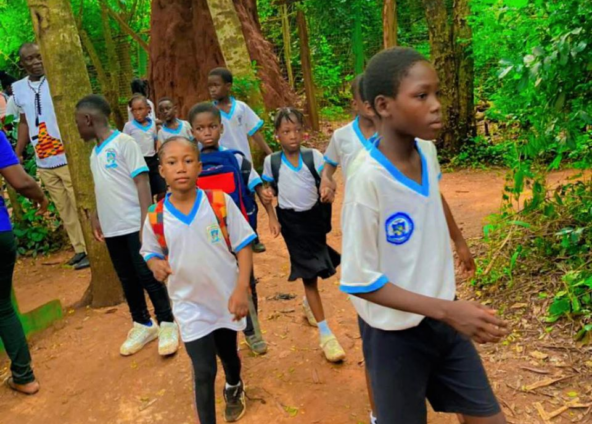
Speaking during the school's visit to the Achimota Forest on Friday, June 26, he stressed that structured exposure to real-world environments enables pupils to move beyond abstract concepts and engage directly with the subjects they study, thereby strengthening comprehension, retention, and overall academic performance.

According to him, experiential learning significantly enhances learner participation and makes lessons more engaging across disciplines.
Mr Ansah explained that excursions to sites such as forests, wildlife reserves, and zoos play a particularly important role in enriching pupils’ understanding of ecological and environmental systems.
He noted that such visits expose learners to key concepts including biodiversity, habitat conservation, and sustainability practices, which are often difficult to fully grasp through classroom teaching alone.
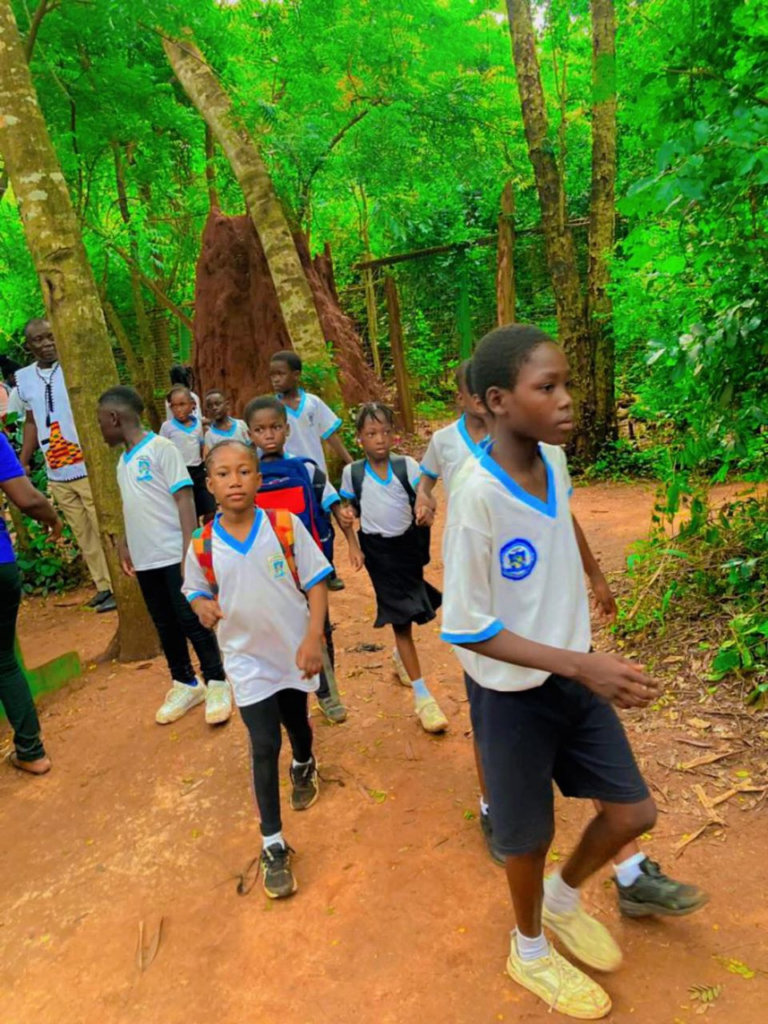
He added that these experiences are especially beneficial in subjects such as Science and Social Studies, where real-world observation helps to reinforce theoretical knowledge while broadening pupils’ awareness of environmental interdependence and conservation ethics.
Beyond subject-specific benefits, Mr Ansah emphasised that learning outside the classroom contributes to the development of higher-order thinking skills, including critical analysis, problem-solving, and observation.
He further noted that such approaches cultivate curiosity, self-confidence, and independent inquiry—qualities he described as essential for lifelong learning and holistic personal development.

He also highlighted the role of consistent field-based learning in fostering a deeper appreciation of nature and instilling responsible environmental attitudes from an early age. In his view, this helps shape disciplined, informed, and socially responsible future citizens.
Mr Ansah further urged schools to move away from treating educational excursions as occasional enrichment activities, instead advocating for their adoption as a structured pedagogical strategy embedded within formal teaching programmes.
He argued that institutions which deliberately embrace experiential learning are more likely to produce well-rounded learners capable of applying knowledge effectively in practical contexts.
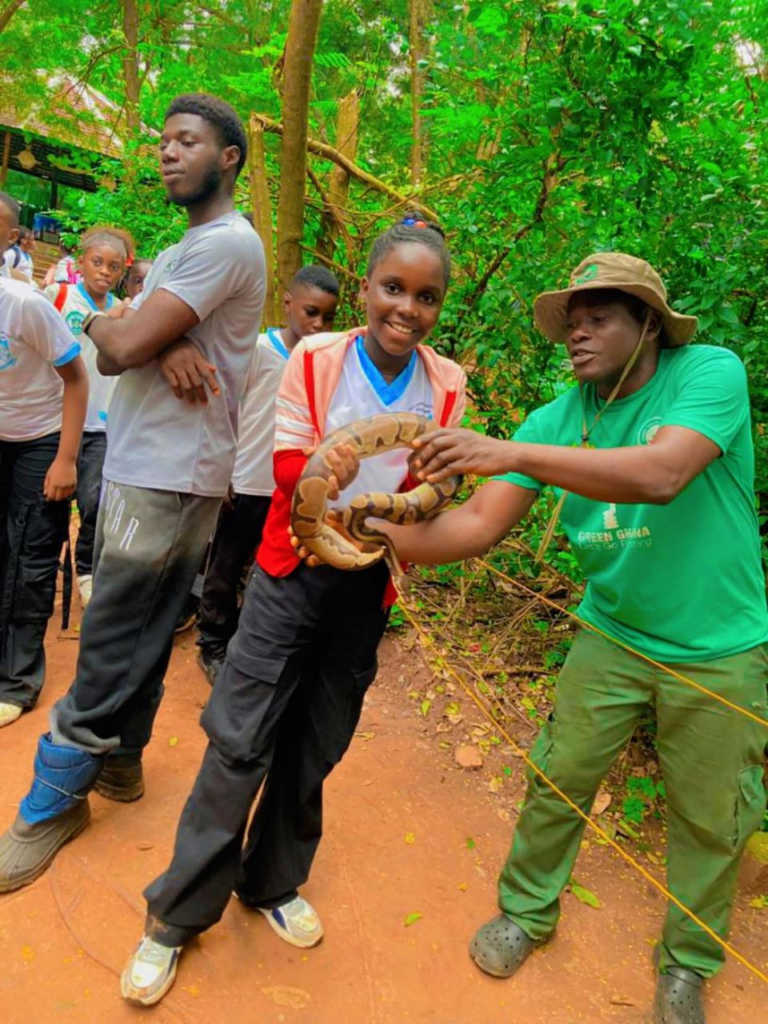
He stated that, “the hands-on learning experience deepened their knowledge of nature, promoted environmental conservation, and helped build their confidence and curiosity.”
Latest Stories
-
The GH¢19.8 billion mirage: Inside Ghana’s state enterprise turnaround
6 minutes -
Luv Fm High School Debate: KNUST SHS and Osei Adutwum SHS set up thrilling final after dramatic semi-finals
13 minutes -
KNUST AI Coordinator urges structured adoption of AI in teacher education
26 minutes -
Nepal rescuers blast hillside in search of hydropower workers as families wait anxiously
43 minutes -
Teachers who pass promotional exam to get January 2026 start date after gov’t resolves promotion dispute – Apaak
46 minutes -
NSMQ 2026: St. John’s School rally from slow start to book semi-final spot
46 minutes -
Promotion pay row: Gov’t gives teachers September to complete salary adjustments
57 minutes -
Financial irregularities plummet by 62.9% as state tightens fiscal controls
58 minutes -
DVLA to expand mobile services to underserved communities in Ghana’s Eastern Corridor of the Northern Region
1 hour -
GUTA urges GPHA to act swiftly to end Tema Port congestion to avert rising business costs
1 hour -
Port congestion could undermine 24-hour economy policy – GUTA
1 hour -
NSA opens three-day window to resolve national service biodata mismatches
1 hour -
Abu Jinapor highlights increased gold exports after Domestic Gold Purchase Programme
1 hour -
NPP UK branch calls for independent audit into gold purchasing operations and parliamentary probe
2 hours -
Zanetor Agyeman-Rawlings pledges decisive action on climate change, galamsey and environmental degradation
2 hours