


Audio By Carbonatix
Ghana’s digital finance drive is helping to bring informal-sector workers and unbanked citizens into the formal economy, but Economist and Professor of Finance at the University of Ghana Business School, Godfred Bokpin, warns that fraud could slow that progress.
He says mobile money, fintech platforms and digital applications have lowered barriers for people who may not be comfortable opening traditional bank accounts or may struggle to provide the required documents.
But he warns that mistrust could push some users back to cash, weakening the gains from financial inclusion and formalisation.
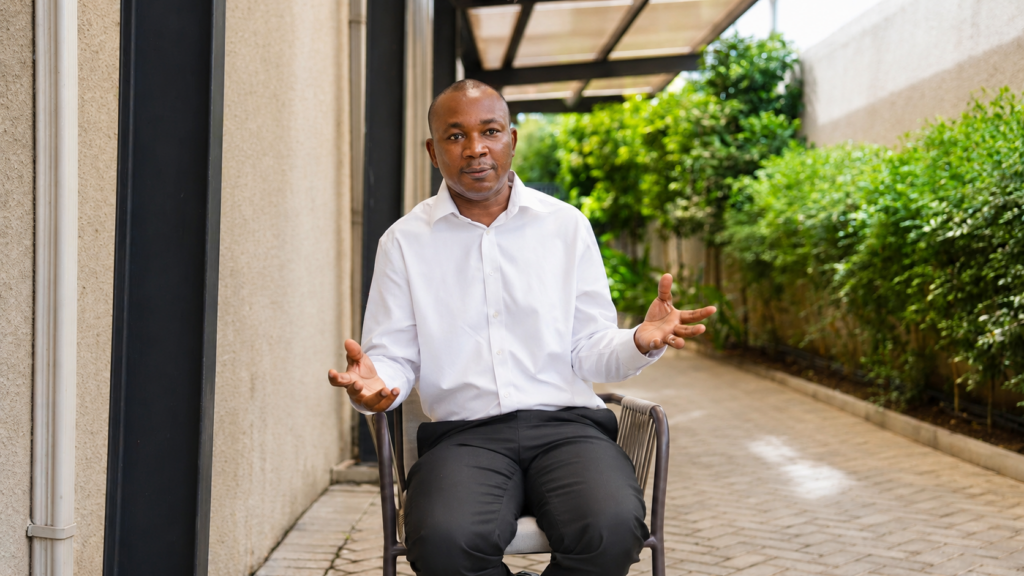
“For a country like Ghana, with a huge informal sector and a huge unbanked population, these avenues allow the economy to rope in the unbanked, who traditionally would not be comfortable opening a bank account to do transactions. These days, when you want to open a bank account, they still ask you for certain documents that the average Ghanaian in the informal sector may not be able to provide,” he said.
He said digital payments and fintech platforms are helping to bridge that gap.
“So, digital payments, digital apps and fintech open up the market and rope in all these people. The real benefit is that it increases financial inclusion and helps to ensure that there is increased flow within the financial system, which can also aid intermediation,” he added.

Prof. Bokpin was speaking in a yet-to-be-aired documentary, “The Trust Crisis,” ahead of the maiden Digital Economy Forum under the theme, “The Trust Crisis: Why Fraud Is Holding Back Ghana’s Digital Economy.”
The thought-leadership platform, an initiative of Hubtel, will air on JoyNews and Joy FM on Wednesday, July 22, 2026, at 8 p.m.
The forum will bring together regulators, banks, fintech companies, telecommunications firms, security agencies and consumers to examine whether Ghana’s regulatory system is keeping pace with the growth of digital finance.

Prof. Bokpin said digital finance can help Ghana formalise parts of the informal economy if the right structures are put in place.
But he cautioned that this opportunity could be undermined if fraud pushes users away from digital channels.
He said trust is central to financial services, especially in digital transactions where users often rely on apps and platforms without physical interaction.
“If government is able to put in place the right structure, we are able to trace transactions and formalise the informal sector in a certain way that allows us to build an inclusive economy. Trust from the public and trust from all stakeholders is very fundamental. Anything that undermines that obviously undermines the foundation of financial service provision,” he indicated.
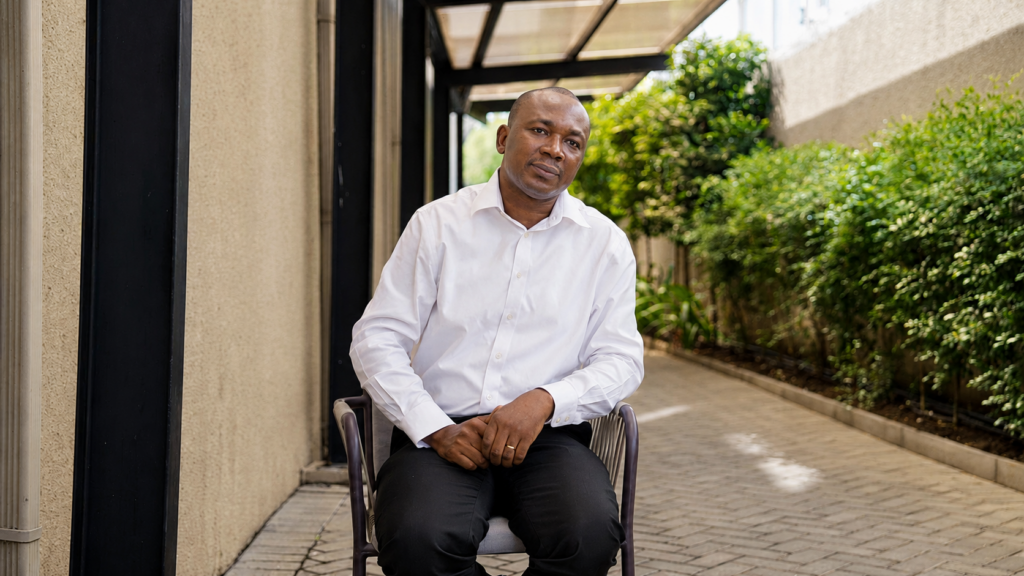
He said fraud is already influencing behaviour in parts of the country. According to him, once users lose confidence, they are likely to return to cash-based transactions.
“We know that in Ghana, because of fraud associated with MoMo here and there, there are communities and traders who do not want to accept MoMo payment. It is simply because they do not have confidence in the system. It may also be because they have had one experience or another, directly or indirectly. One direct effect is unwillingness to participate. What that means is that they will prefer to do more cash-based transactions,” the economist added.
The warning comes as Ghana’s digital payment ecosystem continues to expand.
The Bank of Ghana’s 2024 Payment Systems Oversight Annual Report says payment service providers processed about 8.1 billion transactions valued at approximately GH¢3 trillion in 2024. The central bank said Ghana’s payment landscape remained buoyant and robust as adoption of digital payments increased.
However, fraud cases have also increased. The Bank of Ghana’s 2024 fraud report shows that fraud cases recorded by banks, specialised deposit-taking institutions and payment service providers increased from 15,865 in 2023 to 16,733 in 2024. The total value at risk rose by 13 per cent from GH¢88 million to about GH¢99 million.
Payment service providers accounted for the bulk of reported cases. The Ghana Association of Banks’ overview of the BoG report states that payment service providers constituted 94 per cent of total fraud cases in 2024.
In the payment service provider sector, the value at risk rose to GH¢19 million in 2024, involving 15,673 reported cases.
Prof. Bokpin said fraud should therefore be treated as an economic threat, not only a crime issue.
If informal workers and small traders reject digital payments, Ghana could lose some of the gains from financial inclusion, lower transaction costs, formalisation and improved access to financial services. He said greater use of digital payments can reduce transaction costs over time and pass benefits on to consumers.
“If there is greater uptake, then it means that transaction costs will also come down. Once the volume comes through, the average cost will come down, and the benefit can be passed on to consumers overall. The law alone does not solve that problem. You also need higher public education. Higher financial literacy also helps, so that people understand how they use it and how they can protect their passwords,” he said.
Prof. Bokpin said Ghana should not respond to fraud by retreating from digitisation. Rather, he said the country must manage the risks better through regulation, stronger systems, public education and financial literacy.
The future of Ghana’s digital economy depends on whether ordinary users, especially those in the informal sector, feel safe enough to keep using digital payment platforms. The challenge is to make digital finance trusted enough to bring more people into the formal economy, instead of allowing fraud to push them back to cash.
Latest Stories
-
MTN Ghana webinar urges SMEs to get financial discipline right
29 minutes -
Duvor Klu, Hua crowned champions as J30 Accra Week 1 concludes
42 minutes -
Gov’t to make rural telephony services cheaper by first quarter of 2027 – Sam George
1 hour -
National Chief Imam remains Ghana’s strongest symbol of interfaith harmony – Mahama Ayariga
1 hour -
Gov’t to upgrade all rural telephony networks to 4G capability – Sam George
2 hours -
‘We’ve never seen a CJ in our judiciary system who is everywhere like MTN’ – Janet Nabla
2 hours -
Lawyers, prosecutors fume over abandoned 26-year-old Upper West High court project
2 hours -
At least two dead in blast at Bolivia military barracks
2 hours -
Tate brothers officially indicted with trafficking and sex crimes in Romania
2 hours -
US envoys arrive in Moscow ahead of Ukraine talks
2 hours -
Health Minister to brief media on Free Primary Healthcare programme on Monday
3 hours -
‘It was inappropriate to make that comparison’ – Dr Pumpuni Asante on CJ’s SOE comment
3 hours -
Photos: Final-day shopping continues at Joy FM Back-to-School Discount Fair
3 hours -
Darkey and Frimpong set up J30 Accra boys’ doubles final
3 hours -
When war takes more than territory: The human cost of conflict
3 hours