

Audio By Carbonatix
The Kofi Annan International Peacekeeping Training Centre (KAIPTC) has officially opened the Preparedness for Humanitarian Assistance and Peacebuilding in West Africa (HAWA) Core Course 2026 in Accra, with senior officials calling for stronger regional cooperation, inclusive partnerships, and more adaptive humanitarian strategies to address the region’s escalating security and humanitarian pressures.
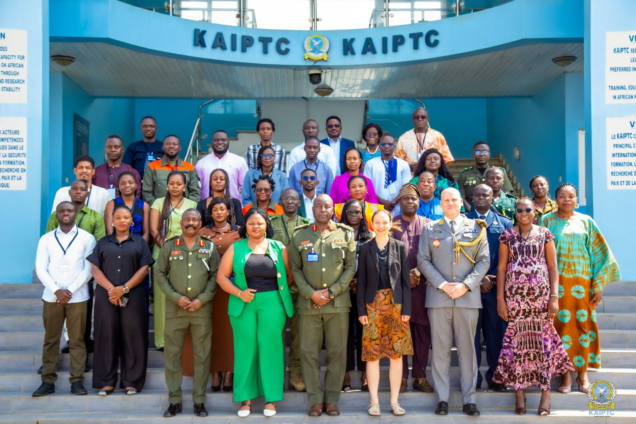
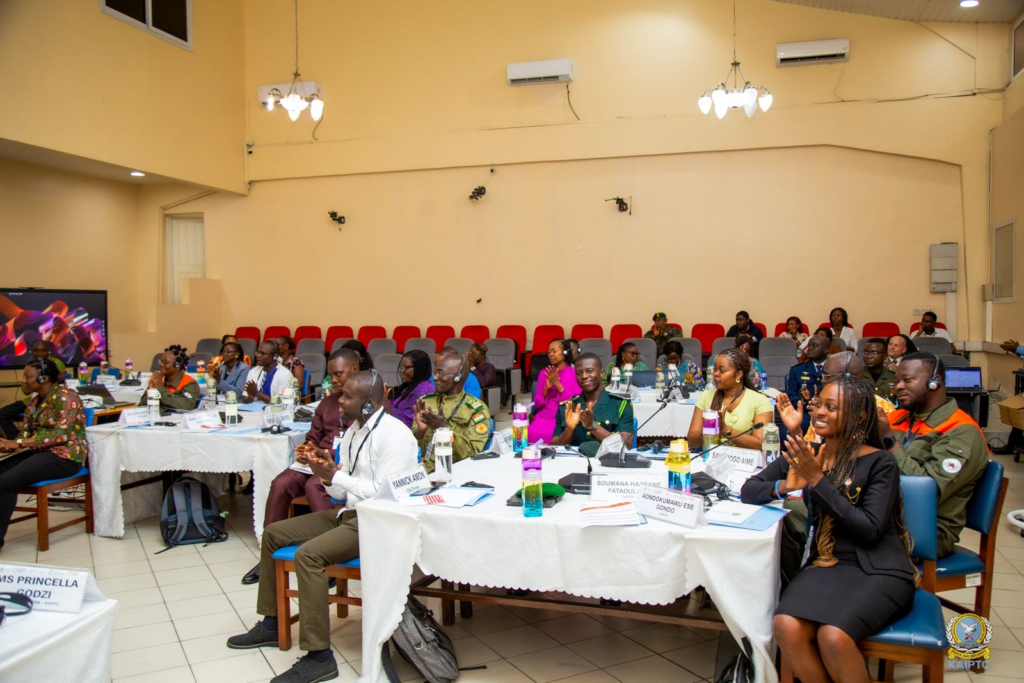
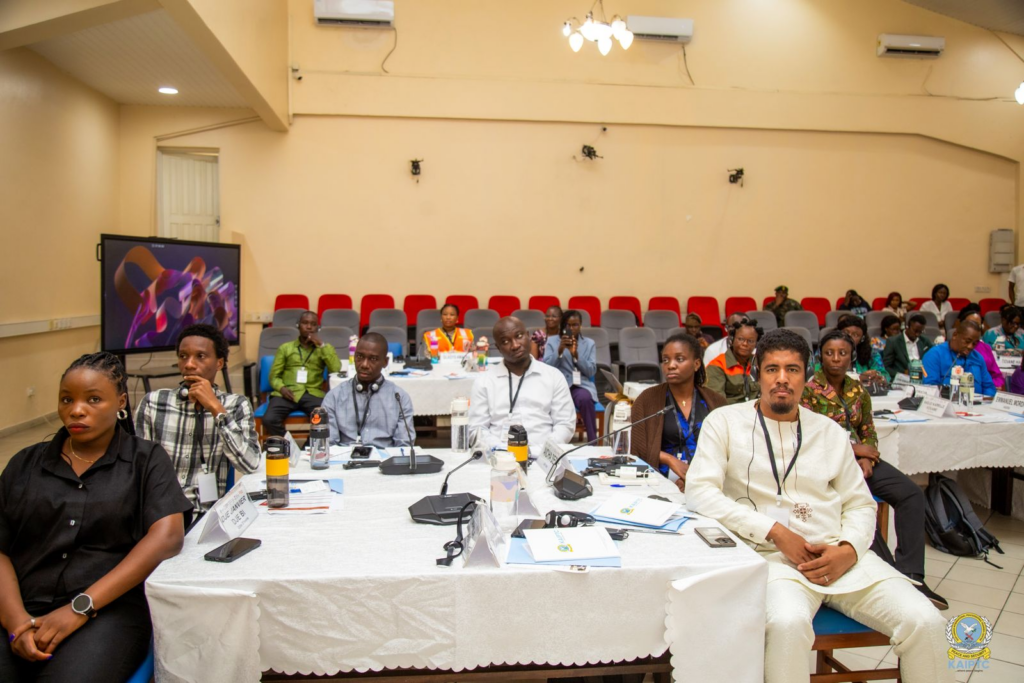
The opening ceremony, held at the KAIPTC headquarters in Accra on Monday, July 6, brought together participants from across West Africa and beyond, reflecting the programme’s growing profile as a key platform for regional capacity development in humanitarian response and peacebuilding.
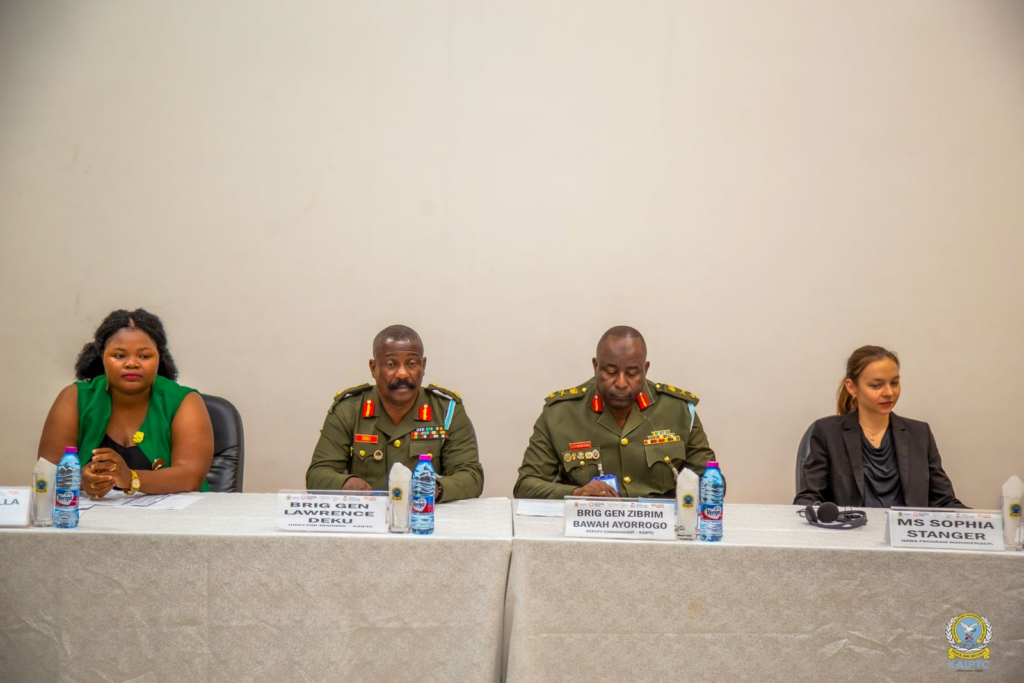
Speaking on behalf of the Commandant of KAIPTC, Air Vice Marshal David A. Akrong, the Deputy Commandant, Brigadier General Zibrim Ayorrogo, welcomed participants and commended their commitment to strengthening humanitarian preparedness and crisis response across the region.
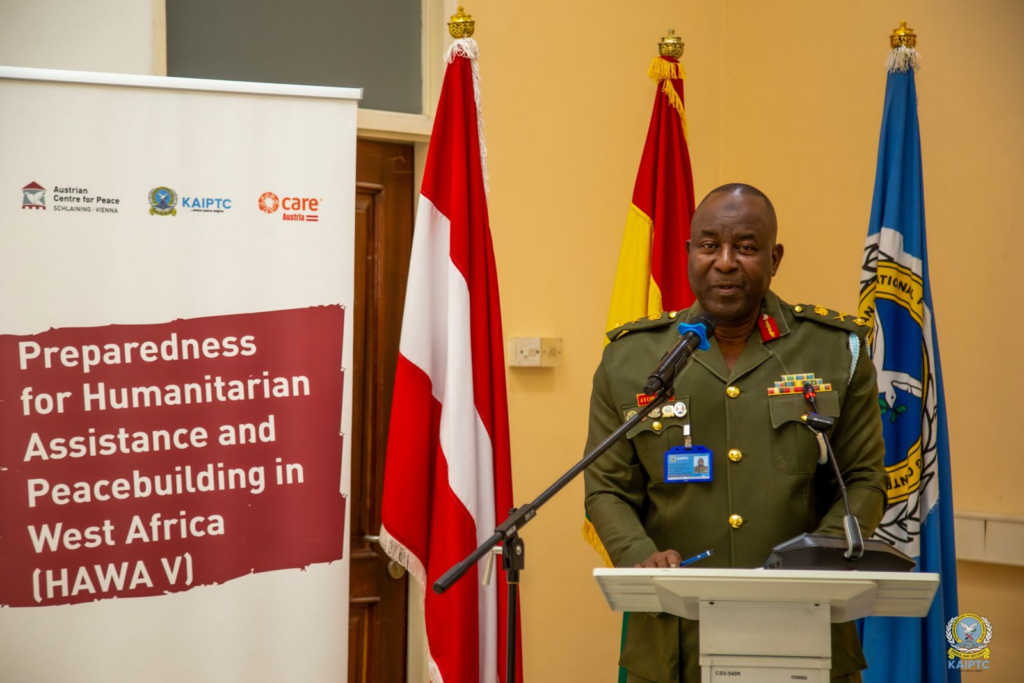
He described the HAWA programme as a long-standing and evolving regional capacity-building initiative that continues to adapt to West Africa’s changing security landscape.
Now in its fifth phase and thirteenth iteration, the programme has become an important platform for fostering collaboration between humanitarian actors, security institutions, civil society organisations, and development practitioners.
The initiative is jointly implemented by the Kofi Annan International Peacekeeping Training Centre, CARE International, CARE International in Ghana, and the Austrian Centre for Peace, with support from the Austrian Development Cooperation and the Austrian Ministry of Defence.
Brigadier General Ayorrogo noted that the partnership has over the years helped build practical, sustainable capacities for humanitarian assistance, development, and peacebuilding across West Africa.
The Deputy Commandant warned that West Africa’s humanitarian and security environment is becoming increasingly complex, driven by multiple and interlinked challenges.
He cited violent extremism, forced displacement, climate and environmental stress, food insecurity, governance deficits, and socio-economic fragility as key drivers of instability in the region.
“These challenges are increasingly interconnected and often transcend national borders,” he said, stressing that fragmented responses are no longer sufficient.
He emphasised the need for coordinated and inclusive action that cuts across sectors and institutions, bringing together governments, civil society, local communities, and regional bodies.
Particular attention, he said, must be given to vulnerable border regions between Ghana, Burkina Faso, Togo and Côte d’Ivoire, where insecurity and humanitarian pressures are often most acute.
“These border communities often experience the direct effects of insecurity, climate stress, and humanitarian pressures, reminding us that crises do not stop at national boundaries and neither should our responses,” he stated.
Brigadier General Ayorrogo explained that the HAWA Core Course 2026 has been carefully structured to provide participants with practical, context-driven skills through real-life scenarios, interactive discussions, and applied learning tools.
Key thematic areas include gender-responsive crisis response, environmental peacebuilding, climate-security linkages, and inclusive humanitarian action.
He stressed that these areas are now central to building resilient societies and achieving sustainable peace, rather than peripheral concerns.
He also highlighted the importance of the Women, Peace and Security agenda and the Youth, Peace and Security framework, calling for greater inclusion of women and young professionals in peacebuilding and humanitarian decision-making.
“Sustainable peace and effective humanitarian action can only be achieved when all voices are included,” he said.
Mr Ayorrogo encouraged participants to view themselves not merely as trainees, but as active contributors to a growing regional network of practitioners.
He urged them to apply the knowledge gained during the course within their respective institutions and communities, emphasising that the true value of the programme lies in its long-term impact beyond the classroom.
Participants were also encouraged to join the expanding HAWA alumni network, designed to sustain collaboration, knowledge sharing, and regional solidarity.
He further expressed appreciation to international partners, including the Austrian Government and associated institutions, for their continued support, describing their contribution as vital to strengthening peace and humanitarian preparedness initiatives across Africa.
Delivering a complementary address, HAWA Project Manager Sophia Stanger warned that climate change is increasingly reshaping humanitarian and peacebuilding work across both Europe and West Africa, making climate-responsive systems an urgent necessity.
She highlighted contrasting climate emergencies, noting that while Austria has recently experienced severe heatwaves exceeding 40°C—resulting in fatalities, transport disruption, and infrastructure strain—West Africa has been grappling with devastating floods and rainfall-induced disasters.
“In Ghana, as in many West African coastal countries, the situation is the opposite: severe rains and flooding have caused emergencies, resulting in the loss of lives, homes, and livelihoods,” she said.
She added that even the timing of the course had been affected by heavy rains, underscoring the very realities the programme seeks to address.
Stanger warned that extreme weather events are no longer isolated incidents but are increasingly becoming a permanent feature of global climate patterns.
She said humanitarian systems must urgently adapt by integrating environmental and climate considerations into planning, preparedness, and response mechanisms.
“This is why we have revised the HAWA Core Course curriculum this year to better integrate climate and environmental components,” she explained.
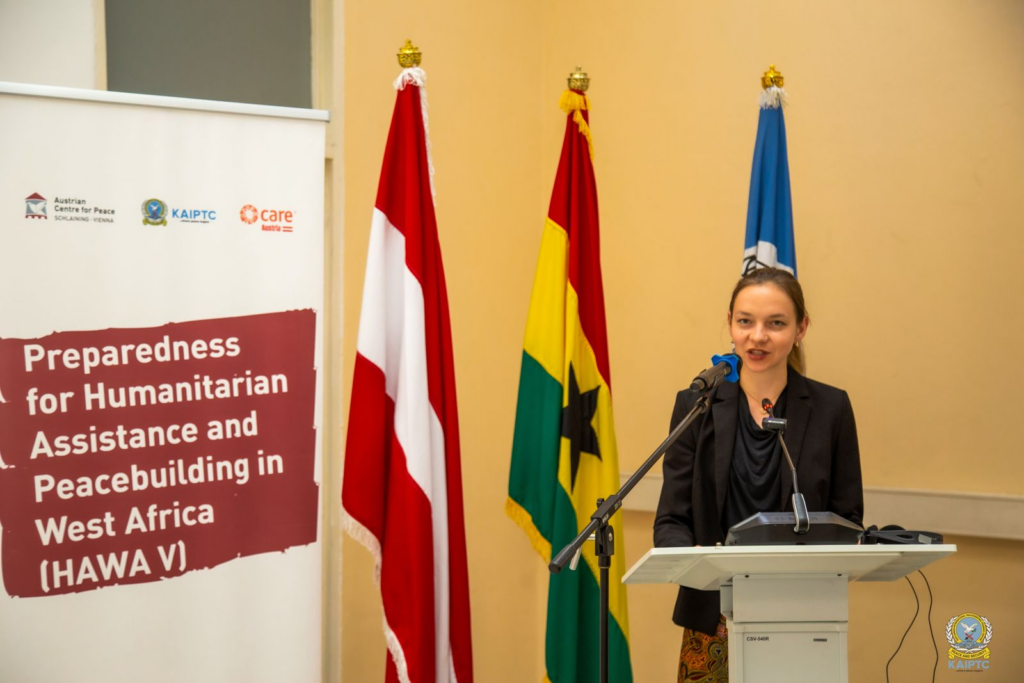
She further noted that rising demand for the programme reflects increasing recognition of the link between climate change, security, and humanitarian response.
Stanger stressed that the effectiveness of the course depends on active participant engagement and the integration of field experience into discussions.
She encouraged participants to share their professional insights and local knowledge, arguing that effective learning must be grounded in real-world realities.
“The HAWA Core Course should not exist in an ivory tower of theory, but rather be rooted in the realities that shape our world today,” she said.
She explained that the programme extends beyond the classroom through specialised courses, Training of Trainers (ToTs), field engagements in border regions across Ghana and neighbouring countries, and an active alumni network.
Stanger expressed gratitude to the Austrian Development Agency and the Austrian Ministry of Defence for their financial support, describing them as key enablers of the programme’s continued success.
She also acknowledged the collaboration of KAIPTC and CARE International, and commended Course Director Princella Godzi and Course Assistant Affiba Arthur Elizabeth Kodjo for their roles in delivering the programme.
Latest Stories
-
If CJ needs ethics law to know SOE comments were wrong, he may not be worthy of office – Arthur Kennedy
6 minutes -
Stop touring state agencies and focus on the Judiciary’s problems – Arthur Kennedy to CJ
11 minutes -
Apologise and don’t do it again – Arthur Kennedy to Chief Justice over SOE comments
17 minutes -
Chief Justice remains committed to judicial independence, justice and equality – Judicial Service
49 minutes -
Ghana concludes evacuation of citizens from South Africa; total returnees reach 1,900 – Ablakwa
1 hour -
Africa must define its own green transition path – Prof Fatima Denton
2 hours -
WASSCE 2026: English Language performance falls to 62.4% – WAEC
2 hours -
WASSCE 2026: Social Studies records sharp rebound as Maths, Science also improve
2 hours -
2026 WASSCE entry rises by 11% as 512,862 candidates sit exams
2 hours -
WASSCE 2026: English Language performance falls to 62.4% – WAEC
2 hours -
WAEC cancels 2026 WASSCE results of 8,295 candidates over examination irregularities
3 hours -
WAEC releases provisional 2026 WASSCE results for 512,862 candidates
3 hours -
CJ’s remarks on SOEs were made in good faith, not to undermine judicial independence – Judicial Service
6 hours -
Bright Future Alliance pays courtesy call on Akufo-Addo, invites him to African Leaders of Influence Lectureship Series
6 hours -
This is an attempt to break the Minority caucus – Patricia Appiagyei on alleged GH¢70k payment
7 hours