


Audio By Carbonatix
The Cape Coast Local Accountability Network (LANET), part of the Ghana Anti-Corruption Campaign network, has warned that pupils paying or doing favours to teachers or classmates in exchange for better marks or privileges constitute corruption.
LANET mentioned other corrupt offences by pupils, such as stealing or hiding classmates’ belongings to exert control or demand an exchange, and favouritism in group assignments or class leadership selections, where friendship, rather than merit, decided outcomes.
A member of LANET, Ms Scholastica Caroline Mensah, gave the admonition at an Anti-Corruption campaign for pupils at St Monica's Girls School in Cape Coast.
The move was in commemoration of African Anti-Corruption Day 2026 on the theme: “Scaling up the promotion of integrity and Anti-Corruption Actions Across Africa.”
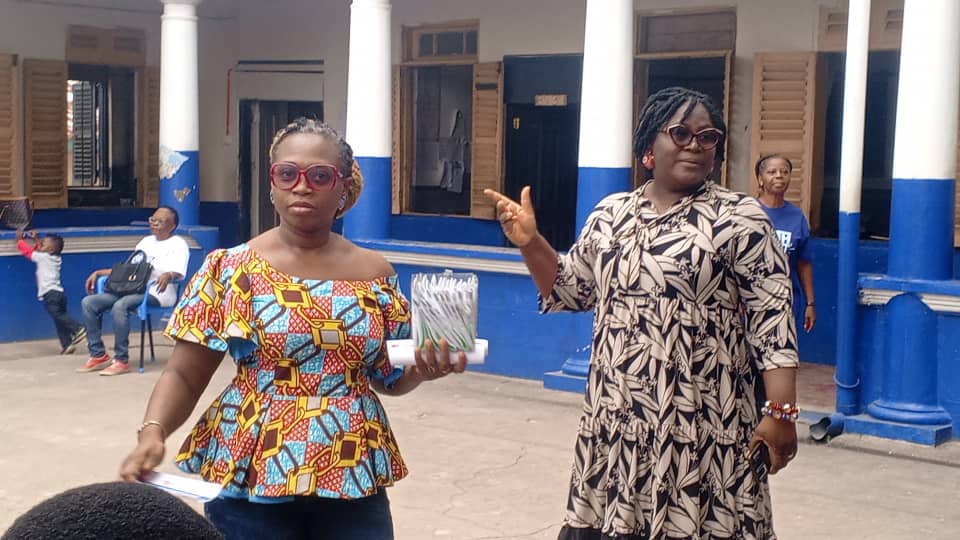
It sought to remind people of the need to be patriotic to promote integrity and combat corruption as a shared responsibility.
LANET also mentioned tampering with attendance lists or signing for absent pupils to manipulate records, selling exam or homework answers to peers for money or favours, as other forms of corruption.
Consequently, it called for urgent measures to curb it, urging education authorities, school managers, and parents to take proactive steps to protect academic integrity and help raise principled and honest citizens.
The group recommended stricter enforcement of regulations, ethics education for both teachers and pupils, and accessible reporting channels for victims and whistleblowers.
Beyond that, to make children aware that corruption was not only an adult issue but could also start with small, everyday actions at school.
For that matter, the LANET officers held interactive sessions and pictorial presentations to educate pupils about corruption and its consequences.
Ms Mensah urged them to disregard dishonest behaviours that undermined integrity in classrooms and playgrounds.
She encouraged the pupils to develop honest habits in school, such as telling the truth, doing their own work, and reporting unfair practices to help build a foundation for responsible citizenship in later life.
"If pupils are taught to reject bribery, cheating, and favouritism while schools enforce clear rules, it will encourage reporting and promote cooperative values.
"Pupils will then help build a fairer, more accountable society that rewards merit instead of connections", she said as she called on parents, teachers, and school administrations to support the campaign by modelling honesty at home and school.
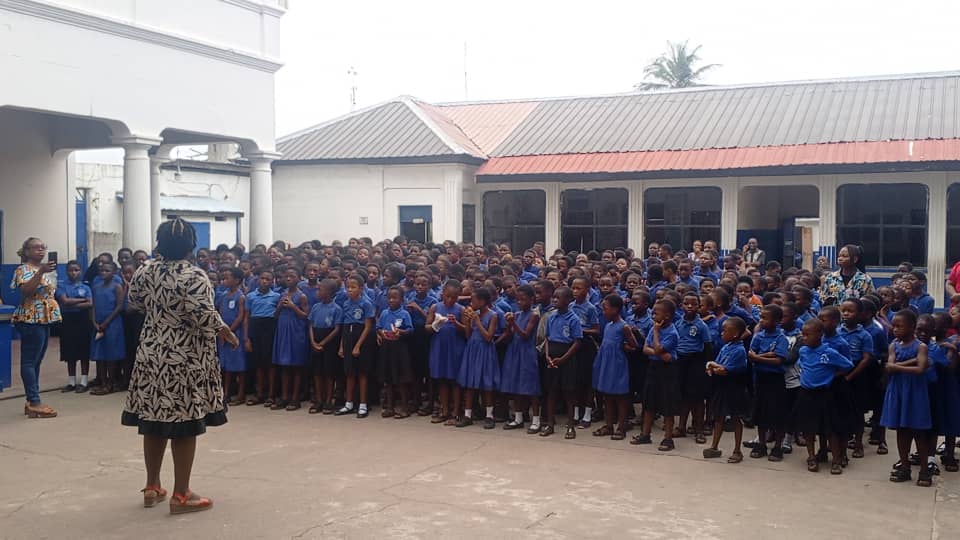
Another member of LANET, Ms Pauline Fleischer, also charged the pupils to eschew corrupt acts, turn down offers or requests that involve bribery or cheating, and notify a trusted teacher or authority when they encountered wrongdoing.
She said resistance taught children to say no and keep their integrity when faced with small and large pressures to act dishonestly.
Rejecting corruption, she said, showed pupils how to set clear boundaries by declining gifts, favours, or shortcuts that compromised fairness and learning.
Accordingly, she said reporting gave students concrete and safe steps to stop corruption by telling a responsible adult to help protect the school community and prevent harm to others.
"Together these three steps build ethical habits, keep learning fair, and empower pupils to create a trustworthy school environment," she said.
Latest Stories
-
Education Ministry extends 2026 SHS placement exercise by one week
43 minutes -
Better roads will create sustainable jobs for Ghana’s youth – Joyce Bawah Mogtari
1 hour -
Kumasi Expressway to cut travel time, boost economic activity – Joyce Bawah Mogtari
1 hour -
GOIL could hold fuel prices despite $100 crude oil shock – Edward Bawa
1 hour -
Fitch lifts Ghana’s 2026 current account surplus forecast to 7.8%
1 hour -
Do not identify yourself as Ziavi Paramount Chief or Queen – Volta Region House of Chiefs warns
1 hour -
Sosu demands probe into $260m cocaine shipment seized in France
1 hour -
Mahama to receive cleared Accra-Kumasi Expressway right-of-way today
2 hours -
Mahama to cut sod for US$1.3bn Sentuo Airport Garden City on Tuesday
2 hours -
Ghana, China agree to tighten crackdown on illegal mining
2 hours -
Ghana, INTERPOL make strides in crime combat – CID boss
2 hours -
Fuel prices may rise, but GOIL says 30% transport fare hike doesn’t add up
2 hours -
Minority questions why alleged masterminds behind US$350m cocaine haul remain free
2 hours -
AGI calls for workplace training to boost youth employability
2 hours -
Mahama inspects proposed site for Upper West Regional Airport
2 hours