

Audio By Carbonatix
Something happened this week that made me proud. Not because of speeches. Not because of press meetings. But because I saw a government minister bend down and pick up a shovel to clean a dirty gutter.
Right next to him was a market woman with her own broom. That is what happened when President John Dramani Mahama called for two days of national cleaning, on Friday, July 10 and Saturday, July 11, 2026.
He asked ministers, members of parliament, chiefs, police, and everyday people to come out and clean their towns.
Let me be honest about why this happened. It did not start as a happy idea. It started with pain. Heavy floods hit Accra and other parts of Ghana last month. People lost their lives. Families lost their homes. Properties were destroyed, and many lost their livelihoods.
Many people are still sleeping in shelters, trying to figure out what to do next, while others are finding solace from friends and family.
I know this pain myself. My mother's house in Tse Addo got flooded. She lost almost everything she owned in just a few minutes. We are still counting what we lost. So when I write about this cleaning exercise, I am not just watching from far away. I feel it too.
But out of all that sadness, something good grew. The Presidency sent out a simple message to the whole country. It said, calling out all Ghanaians, come and help clean Ghana after the floods. That was not just a nice slogan. It was a call for help, and people answered it. The plan was clear. Clean out blocked drains. Sweep the roads. Clean the markets and lorry stations. And this was not just talk.
The President told every minister and every leader to leave their offices, pick up a broom or shovel, and clean alongside regular people. The President and Vice President, Naana Jane Opoku-Agyemang, joined the cleaning too.
The Inspector General of Police and the CID Director General were also out on the streets with their own men and women, sweeping and clearing drains just like everyone else. When you see the very people in charge of law and order out there with a broom in hand, it tells you this was not just a message from an office. It was real leadership, shown with action.
What made me happiest was watching regular Ghanaians answer that call without being forced. On the first morning, not many people showed up at first. But slowly, more and more people joined. Soon the streets were full of workers, students, security men, and neighbours, all sweeping and cleaning together.
This story became bigger than politics. Churches told their members to go out and clean. Even the opposition party, the NPP, told their own members to join in, saying that keeping Ghana clean is not about which party you support. Chiefs and traditional leaders gave their own orders to support the cleaning.
Members of parliament posted on social media asking their people to join. The old Ghanaian mantra was loud and clear – cleanliness is next to godliness.
Shop owners agreed to close their shops for a few hours so the markets could be properly cleaned. When churches, politicians from different parties, market women, police, and soldiers all show up for the same reason and are proud to say so, that is not by accident. That shows real unity.
Now let me say something important. These floods were not only caused by nature. For years, people have thrown rubbish into gutters. Plastic bags and sachet water rubbers block our drains. When it rains hard, the water has nowhere to go, so it floods our homes.
That means the floods were partly caused by us. Every piece of rubbish thrown in the wrong place added to the problem, the same problem that flooded my mother's home. This cleaning exercise is Ghana looking honestly at its own bad habits and deciding to do better.
That is exactly why this cannot stop this weekend.
Two days of cleaning cannot undo years of bad habits. If people go back to littering next week, the drains will get blocked again, and we will be back where we started. This has happened before in Ghana. We clean, we feel good, and then we forget until the next flood comes and hurts another family.
The good news is the government seems to understand this. They have brought back a monthly National Sanitation Day, happening every first Saturday of the month. That is a smart move. But it needs to be talked about more and taken more seriously. It should become as normal as market day, something every Ghanaian expects and plans for, not something people forget about.
Cleaning days alone will not fix everything. Ghana also needs proper waste trucks in every town, not just in the big cities. Government needs to stop people from building on top of waterways. Companies that make plastic and sachet water should help pay to clean up the waste they create. And schools should teach children from a young age why keeping our environment clean matters, so this becomes a normal habit, not something we only do once in a while.
There is another reason this matters. Tourists do not want to visit dirty places. Business people do not want to invest in a country that looks careless. As Ghana tries to attract visitors and investors, a clean country tells the world we are organised and serious. Clean streets are not just about looking nice. They are as important as good roads or steady electricity.
What we saw this week, even though it came from a sad reason, showed the best of Ghana. It showed what happens when leaders leave their offices and citizens meet them halfway, both in the streets and online. The picture of a minister holding a shovel next to a market woman with a broom, with the IGP and his officers sweeping just a few streets away, is something worth remembering. Not just as a memory from one hard week in July, but as an example of how Ghana should work every single month.
The floods asked us a hard question about who we are as a people. This week, for two days, we gave a good answer. I gave that answer while my own heart still hurts, watching my mother start over with almost nothing. And I still believe in what we did.
The real test now is whether we keep answering that question, long after the cameras are gone and people move on to the next big news story. Keeping Ghana clean should never be a two-day job.
It belongs to all of us, every day. Calling out all Ghanaians should not be something we hear only after tragedy strikes. It should be something Ghana says to itself again and again until a clean Ghana is simply who we are.
Let this be the week Ghana stopped only reacting to disaster and started building the kind of habits that stop the next one from happening.
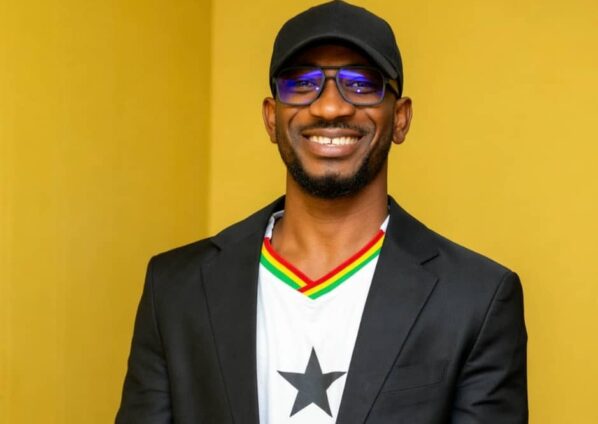
My name is Philip Nai and I'm who I say I am.
By Philip Nai, Media Executive | Lead Producer, Joy FM
Latest Stories
-
Argentina sink Switzerland to set up England semi
6 minutes -
Intensify post-flood disease prevention measures, GHS Director-General urges public
38 minutes -
At least two killed in Toronto street festival shooting
1 hour -
Ghana to export 300 teachers to the Bahamas under new agreement
2 hours -
Amanda Clinton questions due process in Abu Trica’s extradition to the US
3 hours -
US launches fresh strikes as Iran closes Strait of Hormuz
4 hours -
Man arrested on suspicion of murder of Ann Widdecombe, police say
4 hours -
Argentina midfield great Rattin dies aged 89
4 hours -
2026 World Cup: England come from behind to beat Norway and reach semi-final
4 hours -
A Ghanaian passport must mean something
4 hours -
When Ghana rolled up its sleeves
5 hours -
IPR Ghana inspires Good Shepherd R/C JHS students to champion environmental sustainability
5 hours -
Kenpong suffers serious injuries after freak domestic accident
6 hours -
Sixteen starve to death in Uganda as drought kills crops
7 hours -
Iran supreme leader calls for revenge for father’s killing
7 hours