

Audio By Carbonatix
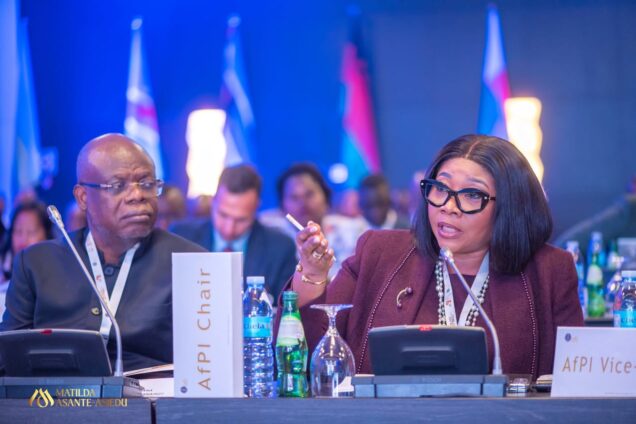
African central banks and financial sector leaders have reaffirmed their commitment to deepening financial inclusion and strengthening cybersecurity across the continent, with Ghana playing a leading role in shaping the next phase of Africa's digital financial transformation.
The commitment was contained in the AfPI Leaders' Communiqué, issued after two days of high-level deliberations in Luanda, Angola, where policymakers reviewed Africa's instant payment landscape, regulatory frameworks for women-led micro, small and medium-sized enterprises (MSMEs), and cybersecurity initiatives aimed at translating policy commitments into practical outcomes.
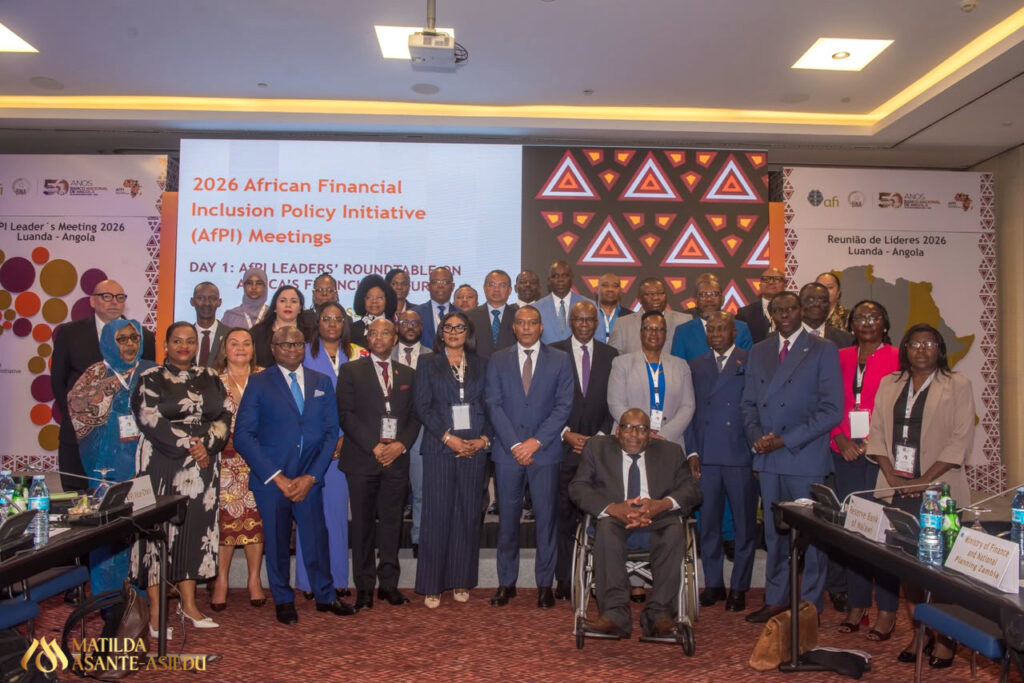
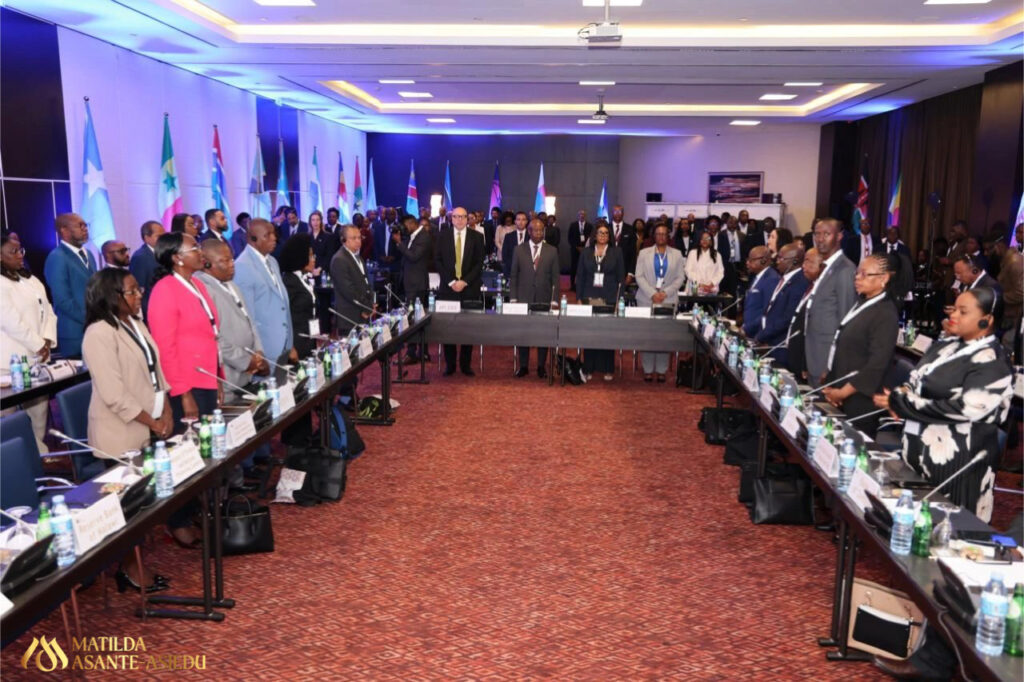
The meeting, hosted by the Banco Nacional de Angola, brought together more than 150 participants, including central bank governors, deputy governors, financial inclusion experts and development partners from across Africa.
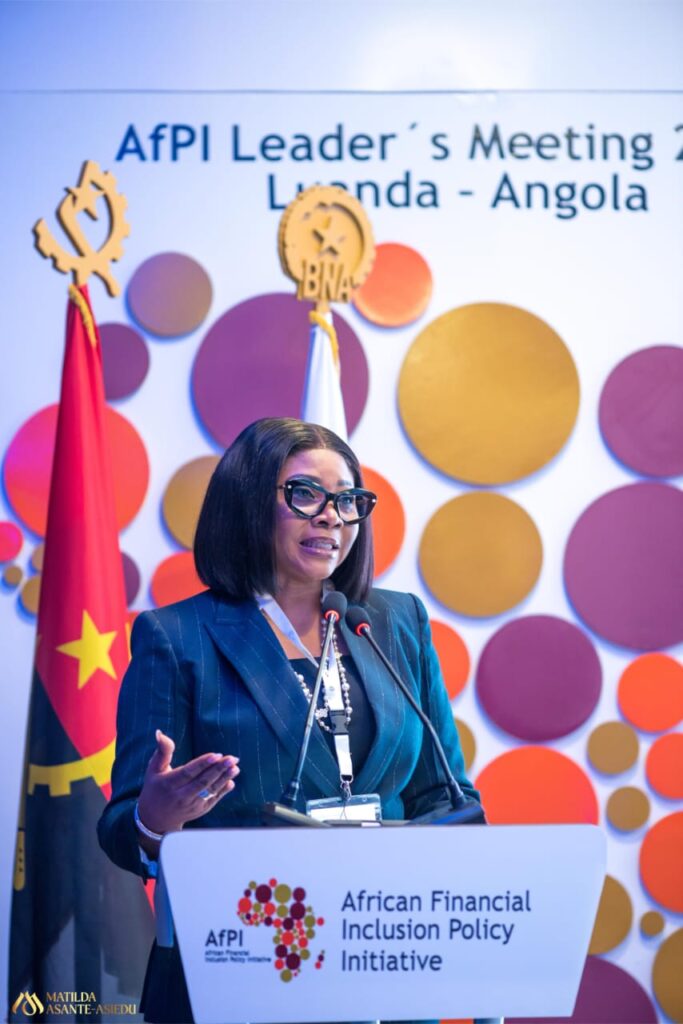
Speaking at the meeting, the Chairperson of the African Financial Inclusion Policy Initiative (AfPI) and Second Deputy Governor of the Bank of Ghana, Mrs Matilda Asante-Asiedu, said Africa had made significant progress in expanding access to financial services but stressed that the continent must now focus on ensuring those gains deliver tangible economic benefits.
"It is no longer sufficient to measure success by the number of bank accounts opened, digital wallets activated, or banking agents deployed. Our conversation must move from access to impact, from policy intent to measurable outcomes, and from isolated national progress to shared continental priorities."
The Governor of the Banco Nacional de Angola, Mr Manuel António Tiago Dias, echoed similar sentiments, noting that financial inclusion should ultimately improve people's livelihoods.
"The real challenge is to ensure that financial inclusion delivers tangible improvements in people's lives by contributing to poverty reduction, increased productivity, the creation of economic opportunities, and greater resilience for households and businesses."
Also addressing the gathering, Alliance for Financial Inclusion (AFI) Chief Executive Officer, Dr Alfred Hannig, said the next phase of financial inclusion should focus on empowering individuals and businesses through meaningful participation in the formal financial system.
"The next-generation financial inclusion will involve ensuring that participation in the formal financial system creates empowerment for individuals, households, farmers, women, entrepreneurs, young people, and vulnerable groups."
The Luanda meeting built on the outcomes of the previous AfPI meeting held in Accra under the leadership of the Bank of Ghana, which resulted in the establishment of the AFI Africa Cybersecurity Centre to promote peer learning and information sharing among African financial regulators.
Mrs Asante-Asiedu emphasised that as digital financial services continue to expand rapidly across the continent, strengthening cyber resilience has become an urgent priority.
"Cyber threats do not respect borders, institutional mandates or market segments, requiring our response to be collaborative, coordinated and forward-looking."
In line with AfPI's rotational leadership arrangements, Mrs Asante-Asiedu formally handed over the chairmanship of the initiative to Ms Felicia Dlamini-Kunene, Deputy Governor of the Central Bank of Eswatini.
She reaffirmed the Bank of Ghana's commitment to supporting the initiative and working closely with member institutions to advance financial inclusion, cybersecurity and financial resilience across Africa.
Latest Stories
-
Today’s front pages: Friday, September 18, 2026
1 hour -
Prof Kwaku Asare questions legal basis of case against senior nursing officer linked to ‘Ghana Jollof’
1 hour -
Financial inclusion must go hand in hand with investor protection – BoG Governor
1 hour -
Ablakwa rewards six North Tongu WASSCE best performers with MacBooks, scholarships
2 hours -
Gender Ministry touts gains in LEAP, school feeding and disability support
3 hours -
72 vessels, 17,336 fishing hours: The monitoring gap at Ghana’s first Marine Protected Area
3 hours -
Ansa-Asare questions rush to lower presidential age to 30
4 hours -
Minority challenges claim all 431 government-sponsored World Cup travellers have returned
4 hours -
No evidence linking government, NDC members to cocaine probe – Kwakye Ofosu
4 hours -
Minority demands full breakdown of GH¢58.9m spent on Ghana’s World Cup participation
4 hours -
Stay away from negative peer influences – MP warns SHS students
4 hours -
Mahama to commission Agbogbloshie waste evacuation to Nsawam landfill today
4 hours -
Kwadaso NDC supporters demonstrate to demand removal of MCE
4 hours -
GSA records 18% revenue growth in 2025
4 hours -
2027 Budget to target nine sectors to create jobs – Mahama
4 hours