

Audio By Carbonatix
Economist Prof. Festus Ebo Turkson has described the decision by the Tema Oil Refinery (TOR) to refine crude from Ghana’s Jubilee Field as a major structural reform that could reduce pressure on the cedi and make the economy more resilient against global shocks.
Speaking on Joy News’ PM Express Business Edition on Thursday, Prof. Turkson said Ghana must seize the current period of economic stability to undertake long-term structural reforms instead of waiting for another crisis.
“We are enjoying stability, and we need to build resilience. Resilience will come with a structural change,” he said.
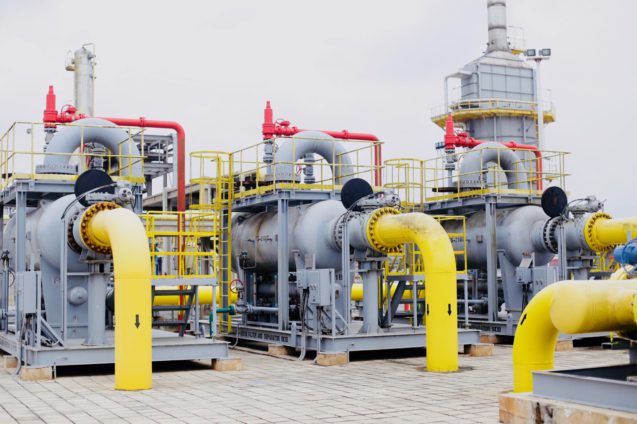
The economist said one of the most significant developments was TOR’s return to refining locally produced crude oil.
“I was excited to see that TOR has received some oil from our Jubilee fields to refine. That is a structural change. That is a change that is going to allow us to reduce our import of refined oil. That change will put less burden on the cedi.”
According to him, a stronger cedi would have ripple effects across the economy.
“And if the cedi is relatively stable, inflation is low, the monetary policy rate is low, and interest rates are declining. That is a sort of environment that will allow businesses to expand.”
Prof. Turkson said Ghana remains exposed to external events beyond its control and therefore needs to redesign its economy to withstand global disruptions.
“A lot of things are happening in the geopolitical external environment that have nothing to do with Ghana, but have significant implications for the Ghanaian economy. And so we need to begin to put in place policies that will structure our Ghanaian economy.”
“It is the change in the structure of the economy that will enable us to withstand some of these external shocks.”
He disagreed with suggestions that government should delay major reforms until economic conditions improve further.
“So I do not entirely agree with Dalex Finance CEO, Joe Jackson, that we should think about stabilising and hold on a bit.”
“I’ve said it, that the current government has the platform, and the environment to make those structural changes. The coming on board of TOR and refining of oil is one of them.”
Prof. Turkson also identified affordable electricity as another critical ingredient for industrial growth, warning that high energy costs make local manufacturers less competitive and increase dependence on imports.
“When it is because of coal, they are not competitive, and they wind up. It is going to increase the pressure on the cedi because we need to import what they produce.”
He insisted the time to implement reforms is now.
“It is now. It is not wait. This is a good time to do the resilience.”
He said stronger reserve levels, improved fiscal management, and lower public debt have created the ideal conditions for the government to invest in roads, railways, and other infrastructure to expand production and reduce business costs.
“If we begin to reduce our reliance on imports, it’s a fundamental change that we need, and the import substitutes that we begin to produce would enable us to even begin to look at the West African market.”
Prof. Turkson pointed to local manufacturers already exporting quality products as evidence that Ghana can transform its economy through industrialisation.
“I’m excited that a company is done and is producing quality cows that are being exported out of them. This is the sort of transformation we need in the manufacturing sector.”
Latest Stories
-
New iPhones, new features: Is it time to upgrade?
26 minutes -
Scaling Enterprise AI across Africa: From technology to real-world impact
30 minutes -
Fibre Broadband isn’t complicated: You’re just overthinking it
35 minutes -
Arrest all officials who handled cocaine-linked container – Nitiwul
1 hour -
DTI inaugurates Academic Council, Industry Advisory Committees to strengthen TVET delivery
1 hour -
DTI, Ghana TVET Service partner to promote TVET education and youth employment
1 hour -
Large crowd of mourners attend one-week observation of Kessben; final funeral rites set for November 26–28
2 hours -
Nitiwul calls for GPHA boss Paul Tanye-Kulono to step aside over cocaine probe
2 hours -
Over 90 apprentices, master craftspersons in Wa East receive industrial tools under National Apprenticeship Programme
2 hours -
SOL Energy, subsidiary of Star Oil, secures provisional BIDEC licence from NPA
2 hours -
Six other people in custody as Ghana investigates drug trafficking through ports – Felix Kwakye Ofosu
2 hours -
Suicide Prevention Awareness Month : Before another young Ghanaian says goodbye
2 hours -
Revolutionizing education in Kenyasi No. 1: The visionary leadership of Nana Osei Kofi Abiri
2 hours -
Climate-vulnerable countries spend nearly 25 times more on debt than climate action – ActionAid report
2 hours -
Queen Mothers congratulate Ayariga, seek greater inclusion in traditional affairs
2 hours