

Audio By Carbonatix
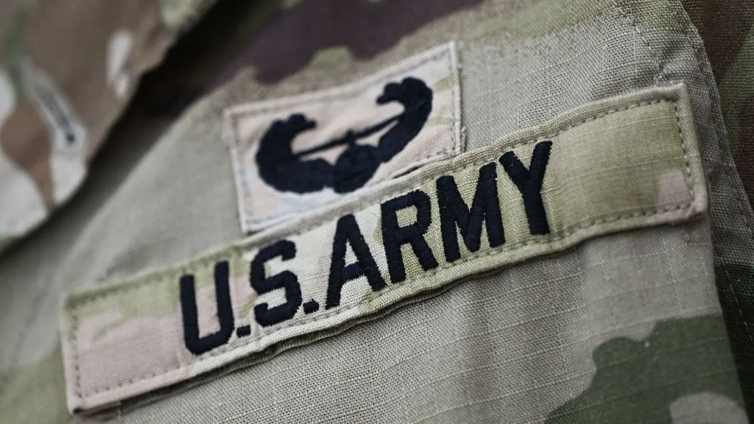
US Defence Secretary Pete Hegseth announced earlier this week that all male troops aged 30 and older will be required to undergo routine testing for low testosterone - but medical professionals the BBC has spoken to are urging caution.
Under the new policy, soldiers who are found to have low levels of the hormone will have the option to begin testosterone replacement therapy if needed (TRT).
Screenings and TRT are becoming increasingly popular, widely embraced by a growing number of men including the US health secretary and social media influencers, but health experts say in some cases the risk is not worth the reward.
Regular screenings could lead to inaccurate diagnoses, experts say, and infertility is a common side effect for TRT users, as well as other more dangerous complications. Administering TRT in the military could also be a challenge in some cases.
The Pentagon has given few details about the new testosterone policy, including how testing will be carried out among the department's roughly 1.3 million active-duty troops.
Hegseth released a video on Wednesday promoting the policy shift towards mandatory testing, saying it would help keep soldiers on the "leading edge of lethality".
"Our most decisive tactical advantage will always be the individual war fighter," he said. "We have a sacred duty to maintain that advantage which is why we must constantly look for new ways to optimise your performance."
Military data shows that in 2024, more than 375,000 men over the age of 30 were serving in active duty, and another 305,500 were in the National Guard and reserves.
About one in 10 men in the US suffer from clinically diagnosable low testosterone, primarily referred to as hypogonadism, according to a May 2026 study in the medical journal JAMA Network.
That percentage begins to increase after age 30, and studies have shown as high as 38% of men over the age of 45 have low testosterone levels.
Experts say that a low score on a blood test does not automatically qualify someone to begin taking testosterone and caution against otherwise healthy people beginning TRT.
Symptoms like low mood, reduced sex drive and loss of muscle mass can mean you may need treatment. TRT can help libido and fertility. But it can be harmful if you don't need it. Too much can cause issues.
"It'll decrease your fertility and lower your sperm count significantly," said Dr James Anaissie, a Texas-based urologist who co-authored a study on testosterone deficiency. "Your testicles are going to shrink."
He told the BBC that, in some cases, it could take up to a year or longer for sperm count to return to normal after unnecessary TRT.
Many describe testosterone as a kind of wonder drug because of its known ability to boost sexual desire, energy, bone density, and muscle when combined with exercise.
Anaissie said it was hard to tell whether there had been a rise in people with clinically diagnosable low testosterone or just more people chasing the quasi-mythical benefits of TRT.
Dr Joseph Alukal, professor of urology and director of men's health at Columbia University Irving Medical Center, says the Pentagon programme is "misguided" because it will likely lead to men being on TRT who should not be.
"Taking testosterone is a lifelong decision," he said.
Once someone has started treatment, their body becomes used to it. When they stop, they could struggle to produce the amounts of testosterone they did before treatment and experience worse symptoms, he explained.
"Screening aggressively is going to create that mess for some number of patients," Alukal said, referring to Hegseth's policy.
Keeping service members' testosterone levels steady could also be difficult when TRT is provided at a large, military-sized scale.
Proper replacement therapy typically requires injections once or twice a week, Anaissie said, and monitoring "very regularly".
Doctors want to ensure testosterone levels in a person's blood - which can fluctuate wildly while undergoing treatment - don't drop too low or rise too high, raising the risk of negative side effects.
When soldiers are deployed to combat that level of monitoring and administration could present logistical challenges, he agreed, especially if anything were to cause a sudden end or prolonged pause to treatment.
"There won't be any dangerous side effects to that, but you definitely will crash," Anaissie said.
Symptoms of low testosterone, which include low libido and general fatigue, also appear for myriad other conditions, making it easy to misdiagnose.
"This is the problem with routine screening," he said. "People start treating problems they don't need to treat."
To meet the clinical standard for low testosterone, there are two requirements: Having low measures in the blood and experiencing symptoms.
Someone with low measures of testosterone but no symptoms should not be prescribed hormone therapy, according to the American Urological Association.
"[If] they feel normal, they don't get testosterone," Anaissie said.
Treatment is considered too risky for those who do not meet the clinical standard. In addition to infertility, TRT can lead to increased irregular heartbeat, blood clots, breast tenderness and breast enlargement.
Public figures like podcaster Joe Rogan, who openly discusses his testosterone use, and a legion of influencers, including many associated with the "looksmaxxing" trend, have helped stoke interest in the hormone.
The surge in usage coincides with the popularity of "traditional masculinity" among conservative voters and the Trump administration - whether it's Hegseth in a sweat-soaked T-shirt performing combat exercises with troops, or Health Secretary Robert F Kennedy Jr grappling a pair of hissing snakes with his bare hands.
Kennedy has said testosterone is part of his "anti-ageing protocol", and last month the Food and Drug Administration that he oversees announced plans to lift some health warnings from TRT, which would make it more readily available.
In January, Kennedy told a podcast host that Dr Mehmet Oz, who leads the US Centers for Medicare and Medicaid Services, had personally evaluated President Donald Trump's score and found him to have "the highest testosterone levels that he's ever seen for an individual over 70".
Latest Stories
-
Police’s conflicting identities for ‘Ghana Jollof’ embarrassing – Lawyer for remanded nurse
23 minutes -
Ghana Jollof case: Nursing officer’s lawyers challenge remand, seek High Court bail
27 minutes -
Kofi Adams clarifies government’s position on funding supporters for major tournaments
28 minutes -
University of Ghana athletes return from 12th FASU Games after medal success in Cairo
37 minutes -
Police cannot access suspect’s phone without court order – Kofi Bentil
1 hour -
Insults are not crimes; we must distinguish them from criminal offences – Kofi Bentil
1 hour -
‘Ghana Jollof’ case: Why continue to use remand to punish people? – Vera Addo
1 hour -
Ntim Fordjour accuses gov’t of selective enforcement in ‘Ghana Jollof’ case
2 hours -
Barker-Vormawor urges courts to scrutinise rights violations in ‘Ghana Jollof’ case
2 hours -
Ghana Jollof Case: Does section 208 of criminal code only apply to NPP? – Ntim Fordjour questions
2 hours -
Defence Committee to haul CID boss before Parliament over social media cases – Ntim Fordjour
2 hours -
Ntim Fordjour calls on clergy, civil society to rise against perceived selective application of law
2 hours -
‘Insult culture has become increasingly attractive’ – Rev. Ntim Fordjour
2 hours -
Samson’s Take: Mr President, let the court speak before the bulldozer
2 hours -
Inconsistency in applying laws on false publication problematic – Barker-Vormawor
2 hours