

Audio By Carbonatix
Climate change is increasingly shaping economic activity, making climate adaptation an essential part of long-term planning for governments, businesses, and communities.
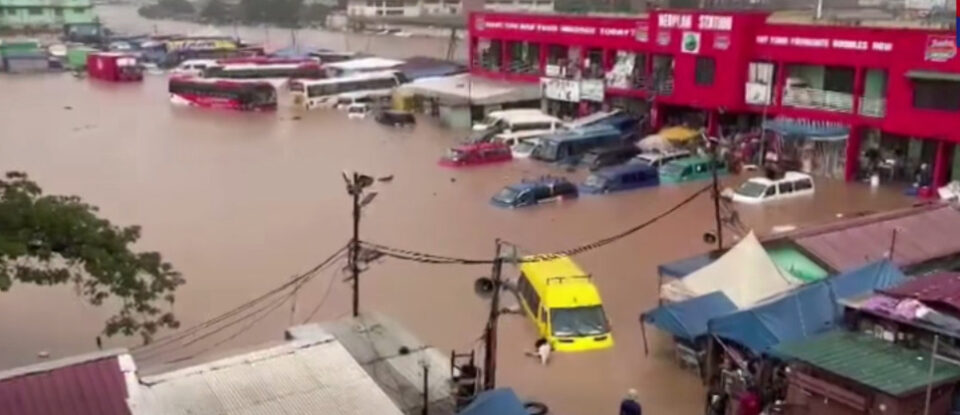
Rising temperatures and more frequent floods, droughts, heatwaves, and wildfires are placing growing pressure on infrastructure, agriculture, energy systems, public health, and supply chains, prompting greater investment in resilience and preparedness.
While reducing greenhouse gas emissions remains central to international climate policy, adaptation is attracting greater attention as countries respond to climate impacts already affecting their economies. Across Europe, climate resilience is being integrated into infrastructure development, urban planning, and investment strategies to reduce risks and strengthen long-term economic stability.
According to the European Environment Agency (EEA), climate risks are rising across Europe, with more frequent and severe floods, droughts, heatwaves, and other extreme weather events affecting infrastructure, public health, and economic activity. The agency states that adaptation is essential to reducing these risks and strengthening resilience across sectors.
Climate-related hazards can disrupt transport networks, damage critical infrastructure, interrupt industrial production, and reduce labour productivity.
These impacts can increase recovery costs, place additional pressure on public finances, and create uncertainty for businesses and investors. Consequently, integrating climate risk into economic planning is becoming increasingly important for both the public and private sectors.
Businesses are responding by strengthening risk management, investing in resilient infrastructure, diversifying supply chains, and adopting technologies that improve preparedness for climate-related disruptions. Financial institutions are also placing greater emphasis on climate risk assessments when evaluating long-term investments, reflecting the growing importance of resilience in economic decision-making.
Agriculture remains one of the sectors most vulnerable to climate variability. Changing rainfall patterns, prolonged droughts, and rising temperatures can reduce crop yields, livestock production, and water availability, with broader implications for food security and rural livelihoods.
In response, governments, researchers, and producers are expanding climate-resilient farming practices, improving irrigation systems, and developing crop varieties better suited to changing environmental conditions.
Cities across Europe are also investing in flood protection, resilient transport networks, sustainable drainage systems, and improved water management to reduce climate-related risks while supporting economic activity and safeguarding communities. These initiatives demonstrate how adaptation is becoming increasingly integrated into broader strategies for sustainable development and long-term resilience.
The growing importance of climate adaptation is evident in policy discussions across Europe. Climate resilience, innovation, and sustainable economic development are among the issues expected to be discussed at the European Forum Alpbach 2026, alongside broader conversations about Europe's long-term competitiveness.
These discussions reflect the increasing recognition of how climate-related risks influence economic planning, investment, and public policy.
Although adaptation priorities vary according to geography, climate risks, and national policy objectives, there is broad recognition that preparing for climate-related challenges has become an essential component of economic governance.
As climate impacts continue to evolve, integrating resilience into public policy, infrastructure planning, and investment decisions will remain a key pillar of sustainable economic development and long-term competitiveness.
Latest Stories
-
Ayariga announces plans for live broadcast of MMDAs’ meetings on local radio stations
1 minute -
Mrs Anna Tackie
3 minutes -
Ghana links Afghan heroin and Brazilian cocaine to global drug markets – Global Organised Crime Index
10 minutes -
NHIA launches nationwide inter-school quiz to deepen students’ knowledge of NHIS
17 minutes -
Political protection could be masking Ghana’s cocaine trade – Global Organised Crime Index
22 minutes -
AFCON 2027Q: ‘We have to dissolve the GFA’ – Effia MP after Black Stars lose to Gambia
24 minutes -
NPP announces voting schedule and ID requirements for October 3 national elections
26 minutes -
Lupus can mimic HIV symptoms and damage kidneys if untreated – KNUST expert
29 minutes -
Focus on Sickle Cell Foundation seeks to introduce sickle cell education through comics in Ghanaian schools
35 minutes -
NPP rewrites the campaign playbok as opposition reality shapes National Executive contest
36 minutes -
Road safety education will fail without enforcement – NRSA boss
37 minutes -
Daily Insight for CEOs: Finishing Q3 strong and entering Q4 with purpose
38 minutes -
National Ambulance Service begins ‘Operation Restore Fleet’ to restore grounded ambulances
39 minutes -
GNFS rescues 35-year-old driver trapped in overturned tipper truck in Upper East
40 minutes -
Unlicensed fuel trucks endanger Ghanaians – Transparency International Ghana
41 minutes