

Audio By Carbonatix
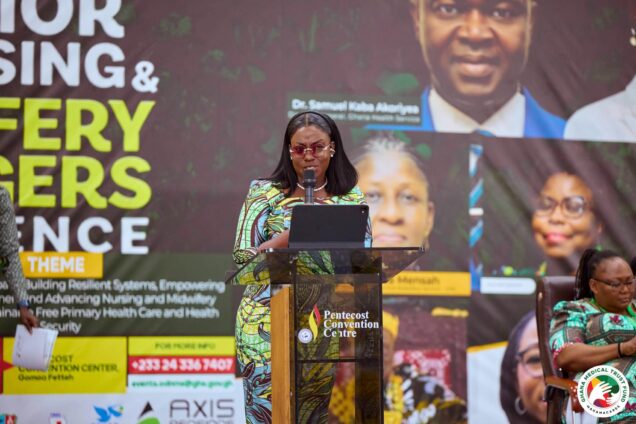
Administrator for the Ghana Medical Trust Fund (GMTF), Adjoa Obuobia Darko-Opoku, has challenged nursing and midwifery leaders to ensure that health policies and strategies translate into tangible improvements in the experience of patients.
She said the success of leadership in the health sector should not be measured only by policies developed or strategies adopted, but by whether patients actually experience better care when they walk into a health facility.
“The patient does not experience our policy documents. The patient experiences the system,” she said, stressing the need for health leaders to bridge the gap between policy decisions and what happens at the point of care.
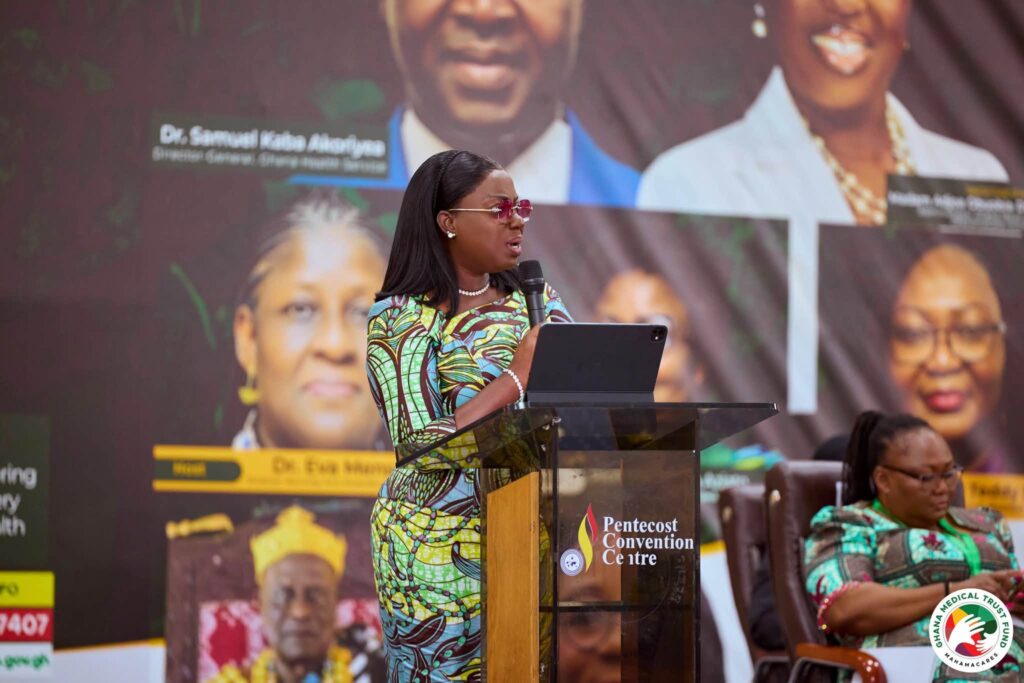
Speaking at a conference of Senior Nursing and Midwifery Managers, Mrs Darko-Opoku urged nursing and midwifery leaders to demonstrate competence, compassion, mentorship and courage in their daily work.
She cautioned against allowing poor communication, unnecessary delays and malfunctioning equipment to become accepted features of healthcare delivery.

She said frontline health workers play a critical role in shaping the culture of healthcare institutions because their decisions and conduct directly influence patients’ experiences.
According to her, leadership must therefore be intentional about identifying problems, addressing them and setting standards that improve service delivery.
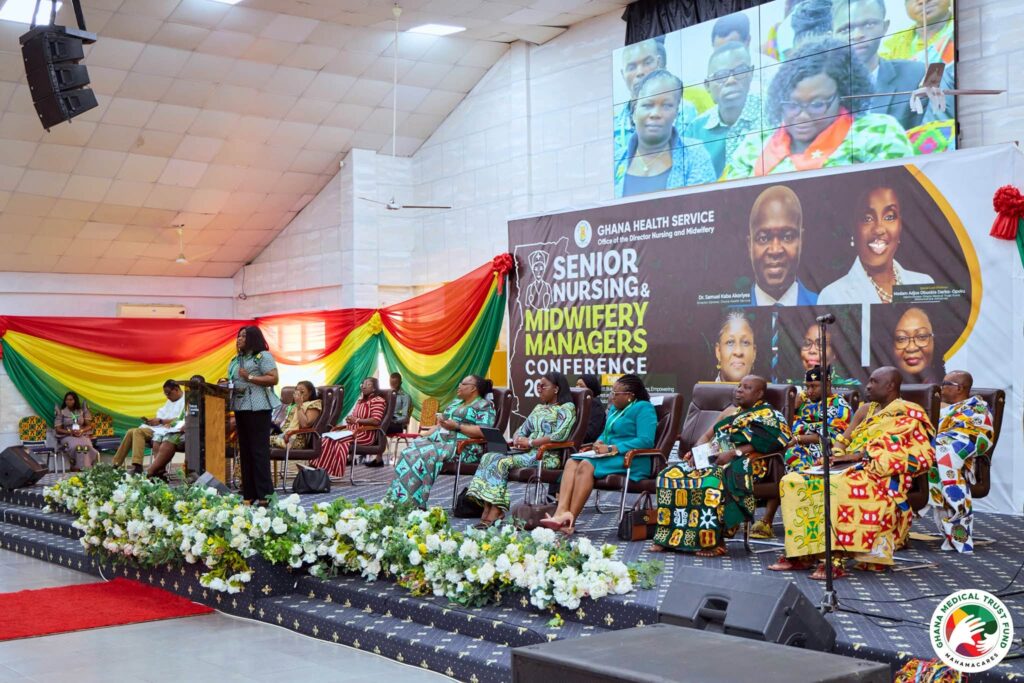
Mrs Darko-Opoku also called for stronger representation of nursing and midwifery professionals in health policy discussions, arguing that the practical knowledge gained at the frontline must inform decisions taken at the highest levels of the health system.
She said nurses and midwives who interact directly with patients have valuable insights into the challenges within healthcare facilities and should have a meaningful voice in designing policies intended to address those challenges.

“Small leadership decisions, repeated consistently, become institutional culture and institutional culture eventually becomes the health system,” she said, urging health managers to recognise the long-term impact of their everyday decisions.
Mrs Darko-Opoku challenged health leaders to make their work visible through the quality of care patients receive, rather than through policies and strategies alone.
She urged them to make leadership personal, professionalism visible and, above all, ensure that every patient can genuinely feel the difference their leadership makes.
Latest Stories
-
Access Bank, Visa launch ‘Visa Accept’ in Ghana
10 minutes -
‘Our young people must inherit story of what Africa created, not lost’ – Mahama
12 minutes -
Afreximbank, GIIF and 24-Hour Economy Authority pact marks real progress toward 24-hour economy agenda
41 minutes -
IMANI, Local Government Ministry discuss reforms on sanitation, local revenue and urban infrastructure
53 minutes -
Ghana’s international reserves drop to US$11.04 billion in August as BoG pushes for significant build-ups in coming months
53 minutes -
Four years enough for any government to deliver – IEA rejects five-year term
57 minutes -
‘The most important players are here’ – Queiroz shrugs off Ghana’s injury crisis
1 hour -
Ayariga pledges stakeholder-led approach to Nzema, Kokomba Market redevelopment
1 hour -
Professional collaboration is key to Ghana’s land and property development – Western Regional Minister
1 hour -
‘When you play Ghana, it’s a derby’ – Kessié sets tone for AFCON qualifying showdown
1 hour -
Mahama urges global institutions to invest in Africa’s cultural infrastructure
2 hours -
Kuami Eugene joins UNICEF Ghana to promote universal birth registration
2 hours -
Renard warns Côte d’Ivoire against complacency Ahead of Ghana clash
2 hours -
‘Can the patient feel the difference?’ – GMTF boss challenges health leaders
2 hours -
Office of the Registrar of Companies marks Risk Awareness Week with push for risk-smart, resilient institution
2 hours