


Audio By Carbonatix
There's nothing quite like living in a big city. Everything is close by, transit systems are easily within reach, jobs are aplenty, and there's always something social to undertake. Since the 1950s, more people have been choosing to live in urban environments and the populations in cities are expected to keep rising well into the future.
While there are many positives with living in a metropolis, there are some downsides including a greater risk to health. Several factors have been found to be responsible, such as socioeconomic status, stress levels, and exposure to physical and chemical hazards. The end results of these exposures have been identified as cardiovascular diseases, respiratory ailments, diabetes, cancer and mental health illness. Not surprisingly, these troubles all appear to have higher rates in denser populations.

But a recent study from a group of Korean researchers reveals another possible problem associated with living in a large city. Your skin microbes may be at risk of losing their ability to stay balanced. Based on the results, living in an urban environment could lead to a "fragile microbiome" that could increase the chances for a number of skin ailments and a lack of defence against pathogens.
Normally, our skin is home to a variety of different microbial species. Research has shown the presence of a diverse population of species helps to keep the integrity of the skin intact and prevent the likelihood of infections. A "fragile microbiome" lacks that diversity and as a result, is unable to help as much as it could. When this occurs, several skin problems including dermatitis, psoriasis, dandruff and acne are more likely to happen. For the team, the identification of fragility might offer some hints as to why skin problems seem to occur more frequently in urban environments and possibly how to prevent these troubles from happening.
The team focused on several cities in China, including Beijing, which has a population of 21 million people. They also chose smaller cities, including Guangzhou, Xi'an, Kunming and Hohhot. The latter two had populations similar to that of larger Canadian cities like Toronto, Montreal and Vancouver.
The procedure was rather simple in design. The team swabbed the faces of 231 people — 50 per city other than Guanzhou with 31 samples — and then determined the species and diversity of the bacteria present. The hope was to find a link between population size and differences in skin microbial composition. If the team could find different trends, they might be able to find links to suspect issues such as pollution, climate and socioeconomic status.
When the results came back, the team noticed differences in microbial populations based on city size. Those living in the most urban environments tended to have less diversity in their bacterial populations. As expected, a closer look at the microbial populations revealed a collapse in diversity making the microbiome more fragile.
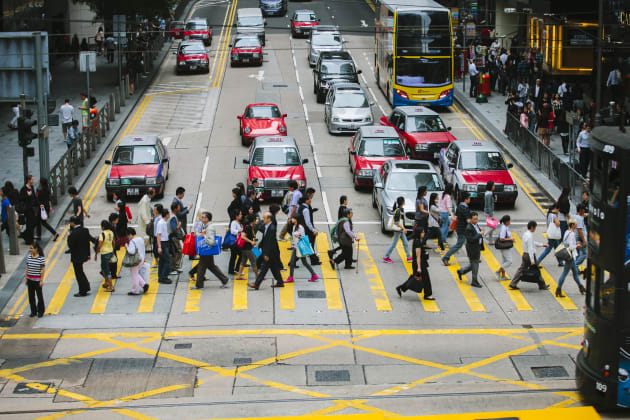
With this result in place, the team attempted to find one or more reasons for the lack of diversity in larger urban environments. This required moving away from the lab and collecting information on the cities themselves. The team acquired information on over two dozen different factors ranging from gross domestic product to rain days to the levels of polluting chemicals. If the group was right, they could find a link between the lower diversity and one or a few of these parameters.
When the results came back, the team had found links. Yet, instead of only one or two, the data revealed 12. The team had no choice but to conclude the simple act of existing in a larger city puts the microbiome and consequently, a person's skin health at risk.
For the authors, this large number of links demonstrates a rather unsettling reality. The skin microbiome is part of a much larger ecosystem comprised not just of our bodies but also the environment around us. Without major changes to the way these cities function, little can be done to reduce the chances for fragility.
Latest Stories
-
Chaos mar NDC branch elections in Assin Central Constituency
19 minutes -
Wontumi knew he would be convicted – Appiah-Kubi
27 minutes -
GIMPA graduates tasks to master modern digital tools to be competitive
32 minutes -
Oti High Court adjourns NPP Krachi East Organiser election dispute to October
33 minutes -
Court issues bench warrant for man accused of threatening EOCO staff
35 minutes -
Vice President Opoku-Agyemang engages Ghanaians in Maryland, United States
40 minutes -
UG graduates urged to uphold integrity, excellence
41 minutes -
Gabonese President to begin three-day official visit to Ghana on July 28
44 minutes -
Accra-Tema residents advocate stricter enforcement of sanitation laws
44 minutes -
Financing key to unlocking Africa’s energy potential – John Jinapor
47 minutes -
Opoku-Agyemang delivers keynote address at Sister Cities International 70th anniversary
50 minutes -
Government urged to establish community autism units
56 minutes -
Mahama leads Ghanaians to mark 14th Anniversary of Prof Mills’ passing
58 minutes -
Police urge peaceful Homowo celebration, warn against violence
1 hour -
NDC insists government appointees must resign before contesting party executive elections
1 hour