

Audio By Carbonatix
In Ghana, 470,737 people have some degree of hearing loss, according to the 2021 Population and Housing Census.
Out of this number, 385,794 have some difficulties, 65,495 have a lot of difficulties while 19,448 cannot hear at all.
This group constitutes a significant proportion of the population, but the figure could be higher but due to the stigma associated with hearing loss, many people do not disclose their hearing loss.
Over 80 per cent of children who have varying degrees of hearing loss in Ghana are not in school or have no access to a specialised teacher or appropriate interventions such as Ghanaian Sign language.
According to the Director of the association, Juventus Duorinaah, Ghana National Association of the Deaf (GNAD), “the majority of people with hearing loss are stigmatized, marginalised, and lack access to essential resources for their development.
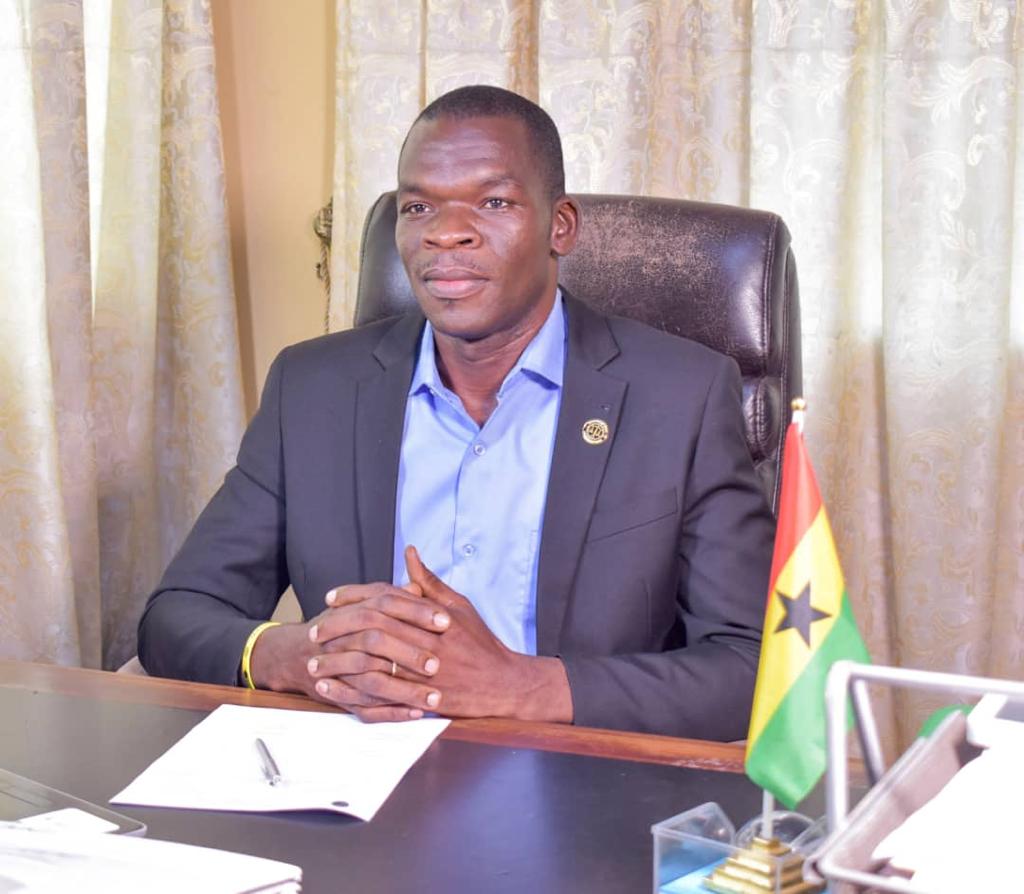
A large number of people have not been screened for early detection for appropriate intervention because the service is not available to them,” he said.
The World Health Organization (WHO) recognizes 3rd March every year as World Hearing Day (WHD). The WHD is a global campaign aimed at disseminating information and encouraging people to take steps to improve hearing care and avoid hearing loss.
The theme for 2022 WHD is ‘‘To Hear for Life, Listen with Care’’.
The 2021 World Report on Hearing Loss states that 1 out of 5 persons worldwide lives with hearing loss, 80% of which live in low- and middle-income countries.
The majority of people with hearing loss do not have access to interventions such as hearing aid and others.
The Ghana National Association of the Deaf (GNAD) re-echo “WHO’s warning that hearing loss, if not identified and addressed early, can have far-reaching consequences.
This may include adverse impacts on language development, psychosocial well-being, and educational attainment,” the Director of the association, Juventus Duorinaah noted.
Existing evidence has shown that hearing loss affects the educational attainment of deaf children of school-going age in Ghana.
It is estimated that one in 3 deaf children missed out on education during the first 4 years of schooling, which can have negative implications on their future development.
This situation could be mitigated through early screening, which is crucial in identifying children for early, effective interventions.
Negative societal attitudes and prejudices towards individuals with hearing loss affect disclosure of hearing loss, seeking for medical intervention and discouraging investment of families in the development of such individuals.
As part of measures to reduce stigma against individuals with hearing loss, the association “calls on the government to collaborate with the relevant institutions and organizations, to support comprehensive awareness-raising on hearing loss.
This will demystify misconceptions associated with hearing loss and encourage Ghanaians to seek appropriate interventions.
The group is calling on the government to resource existing hearing screening and assessment centres in the country, including those in Schools for the Deaf, to make them more efficient and effective
This will ensure that children of school-going age have access to early screening for identification of hearing loss for early interventions,” the director of the association added.
In a press release, the Ghana National Association of the Deaf (GNAD) observes that one of the key interventions recommended by the WHO for people with hearing loss is age-appropriate Sign Languages.
However, in the context of Ghana, the appropriate language is the Ghanaian Sign Language.
The GNAD noted that “recommendation from WHO both consonance with international best practices and suitable for Ghana, where medical technology, such as hearing aid devices, language therapy and advanced technology are expensive or non-existence.
Consequently, we call on the state and the National Council on Persons with Disabilities to expedite action towards the re-enactment of the revised Persons with Disability Act, (Act 715) and enhancing access to and use of Ghanaian Sign Language services,” Juventus Duorinaah, indicated.
The GNAD believes that these measures will ensure that children and young deaf people in Ghana will not be left out.
Latest Stories
-
Landfilling waste management creates no value, it’s an economic waste
10 minutes -
Photos: Speaker Bagbin Commissions MPs constituency office under parliamentary decentralisation programme
26 minutes -
Black Stars technical advisor Winfried Schäfer sacked as GFA shakes up backroom staff
30 minutes -
Wenchi water project almost complete, critical to gov’t agenda – GWL MD
46 minutes -
Anti-LGBTQ+ bill not part of government’s legislative agenda – Inusah Fuseini
49 minutes -
Anti-LGBTQ Bill: Forget the rumour mongers, I’m a man of action, and will pass the bill – Speaker
2 hours -
Women and children among those killed in Sudanese army shelling of wedding celebration
2 hours -
President Mahama is not sincere with Ghanaians on LGBTQ bill matter – Hassan Tampuli
2 hours -
Gov’t to establish Prison Industrial Hub to equip inmates with income-generating skills – Prison Service boss
2 hours -
Alhassan Tampuli donates cement, roofing sheets to support storm victims in Gushegu
2 hours -
Alhassan Tampuli appeals for urgent support for storm victims in Gushegu
2 hours -
The hypocrisy must stop; pass Anti-LGBTQ+ Bill now – Alhassan Tampuli to Mahama
2 hours -
Imprisonment should be rehabilitative, not punitive – Ghana Prisons boss at UNGA
3 hours -
Ga Adangbe traditional priests petition Mahama over McDan aviation licence revocation
3 hours -
Anti-LGBTQ Bill: NDC’s arrogance is worrying – Hassan Tampuli
3 hours