

Audio By Carbonatix
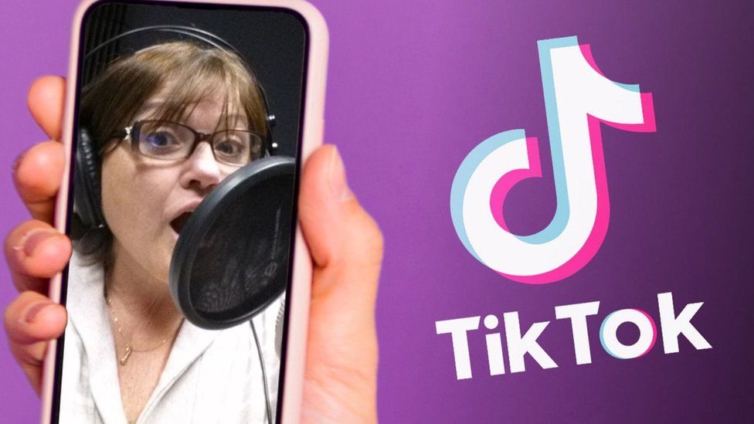
An actor is suing TikTok for using her voice in its text-to-speech function.
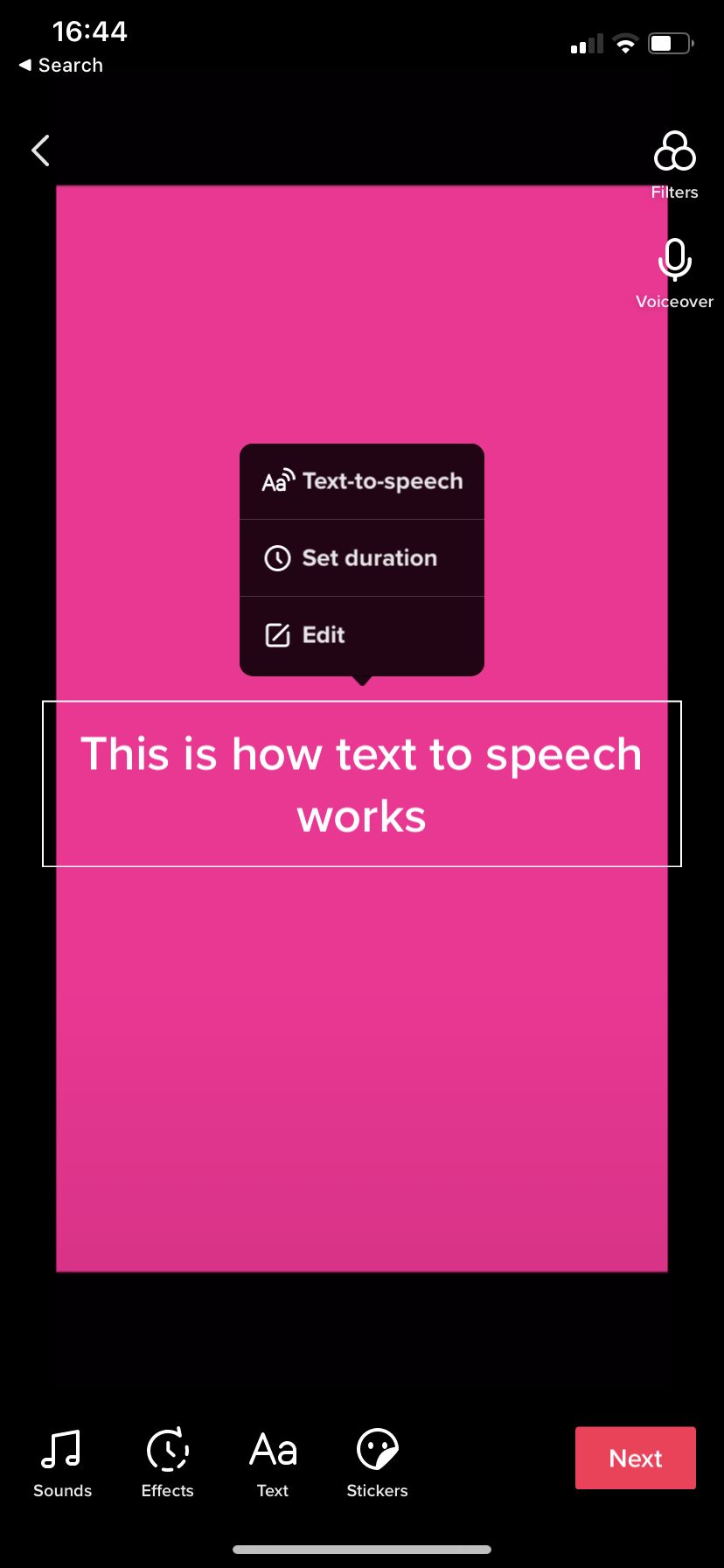
It converts writing into speech, which can then be played over videos uploaded to the app, often for comedic effect.
Bev Standing recorded about 10,000 sentences of audio for the state-backed Chinese Institute of Acoustics research body to use in translations, in 2018.
The legal action claims her voice can now be heard in viral videos featuring “foul and offensive language”, causing her reputation “irreparable harm”.
'Reimburse me'
Standing, from Ontario, Canada, told BBC News no permission had been given for these recordings to be used in any other applications or resold.
“My voice is my product - it's my business," she said.
"You can’t just use it and not reimburse me for what I do.
“If you want to use someone's voice, pay for it."
Standing, who does not use TikTok, felt "violated", after several videos were sent to her by friends, family and colleagues.
“When I realised you could get me to say anything you want... that's when I kind of got upset,” she said, describing the content as “totally against brand.”
“I'm certainly hoping it doesn't affect my business in a negative way.
"Clients may stop hiring me because they recognise that voice."
'Ordinary people'
Robert Sciglimpaglia, the lawyer representing Ms Standing, told BBC News: “The technology exists where anyone's voice can be replicated through artificial intelligence.
“This is not an issue just about celebrities or voice actors, who of course will be hugely impacted because their livelihood is literally being taken away from them.
“This is also about ordinary people."
Neither TikTok nor parent company Bytedance had responded to the legal filing, issued in New York last week, he added.
Local accents
Standing’s voice is used on the North American version of the app.
But in other regions, local accents - a British male voice in the UK, for example - are used.
A TikTok representative told The Telegraph, which first reported the story, it did not comment on continuing litigation.
The company told BBC News it had nothing further to add.
The Chinese Institute of Acoustics did not respond to a request for comment.
'Moral rights'
"Actors' performances, including vocal performances, are protected by copyright," Jowanna Conboye, intellectual property and technology partner at Spencer West, said.
So a voice artist should have a claim under copyright if their performance is used without their permission
"A key question is where the voice artist's content was obtained from.
"In commercial situations, copyright is often assigned to another business.
"But even if that is the case, the voice artist or actor normally retains moral rights, which should ensure that they are recognised as the person performing."
Latest Stories
-
Berekum Chelsea edge Aduana FC in Bono derby to boost survival hopes
3 hours -
‘They can’t control the team’ – Ernest Thompson doubts local coaches for Black Stars role
4 hours -
Ghana-born midfielder Seidu realises ‘dream’ with Atlético Madrid debut
4 hours -
GPL 2025/26: Bubakari strikes late to hand All Blacks vital win over Dreams FC
4 hours -
Fatal crash on Kintampo–Tamale highway claims four lives
4 hours -
2025–26 FA Cup Semifinal Draw: Chelsea, Man City Learn Wembley Opponents
4 hours -
GPL 25/26: Gold Stars back on top after beating Nations FC
5 hours -
GPL 2025/26: Heart of Lions roar back with victory over Vision FC in Kpando
6 hours -
Solomon Agbasi: Hearts keeper in stable condition after concussion
6 hours -
GPL 2025/26: Late Salim Adams penalty earns Medeama draw at Bechem
6 hours -
Hearts pip Young Apostles 1-0 to end 5-game winless run
6 hours -
Boakye Agyarko marks Easter Sunday with a call for Godly leadership ahead of nationwide campaign tour
7 hours -
Pepsi withdraws as UK festival sponsor after Kanye West backlash
7 hours -
Pope Leo calls for global leaders to choose peace in his first Easter Mass
8 hours -
Kpando MP highlights progress on road projects
8 hours