

Audio By Carbonatix
African universities have been urged to rethink their approach to higher education and equip students with practical digital skills or risk leaving the continent behind in the rapidly evolving era of artificial intelligence (AI).
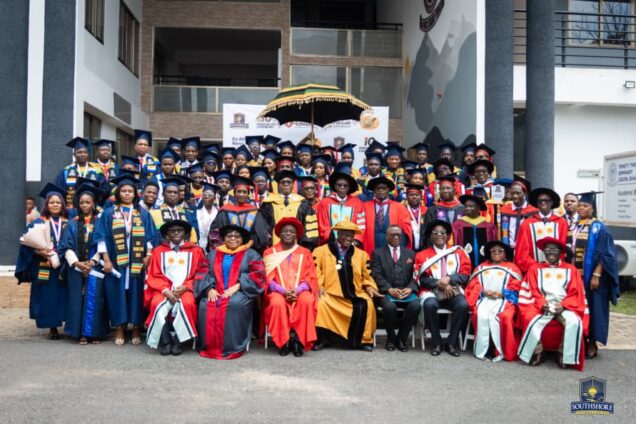
The call came at the 10th Congregation ceremony of Southshore University College in Accra on Saturday, where university leaders and education experts stressed that Africa must become a creator of AI technologies rather than remain a consumer.
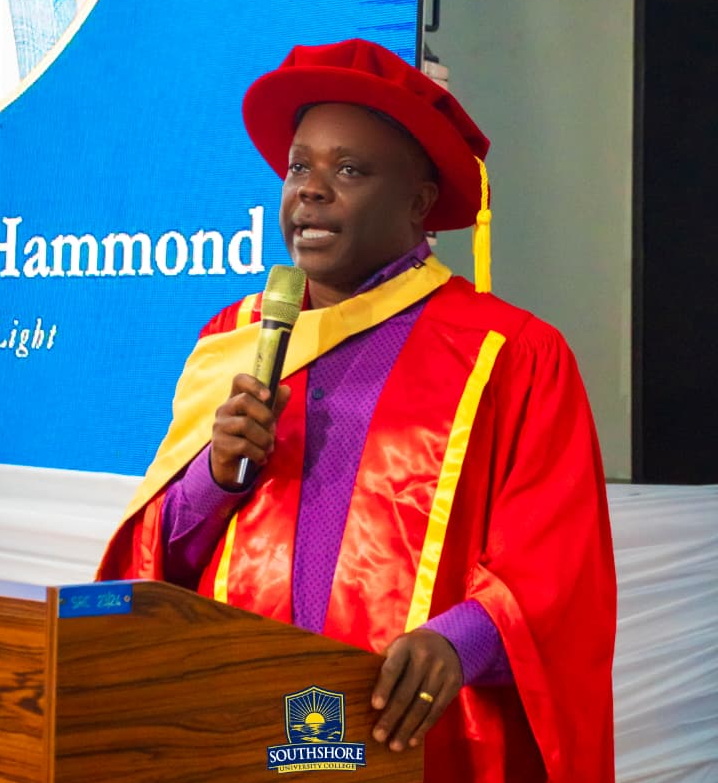
Chairman of the Governing Council of Southshore University College, Professor Felix N. Hammond, said traditional education systems that focus largely on examinations and certificates are no longer sufficient to prepare graduates for the future of work.
He noted that employers are increasingly looking for graduates who can demonstrate practical skills, innovation and the ability to solve real-life problems.
"AI is changing everything. Very soon, employers will not only be interested in what graduates know because information is readily available. They will be looking for evidence of what graduates can actually do," he said.
Professor Hammond said the university had redesigned its academic model to place greater emphasis on project-based learning, entrepreneurship, innovation and industry engagement.
According to him, students are encouraged to develop portfolios showcasing their work throughout their studies instead of relying solely on examination results or short internship programmes.
He said the shift is intended to produce graduates capable of creating jobs and businesses rather than depending on government or the private sector for employment.
Professor Hammond also called on governments across Africa to align education reforms with emerging technologies such as artificial intelligence, blockchain and cybersecurity to prepare young people for the digital economy.
He further stressed that academic excellence must be matched with integrity and strong leadership.
"If you produce intelligent people without character, you create bigger problems for society," he told the graduates.
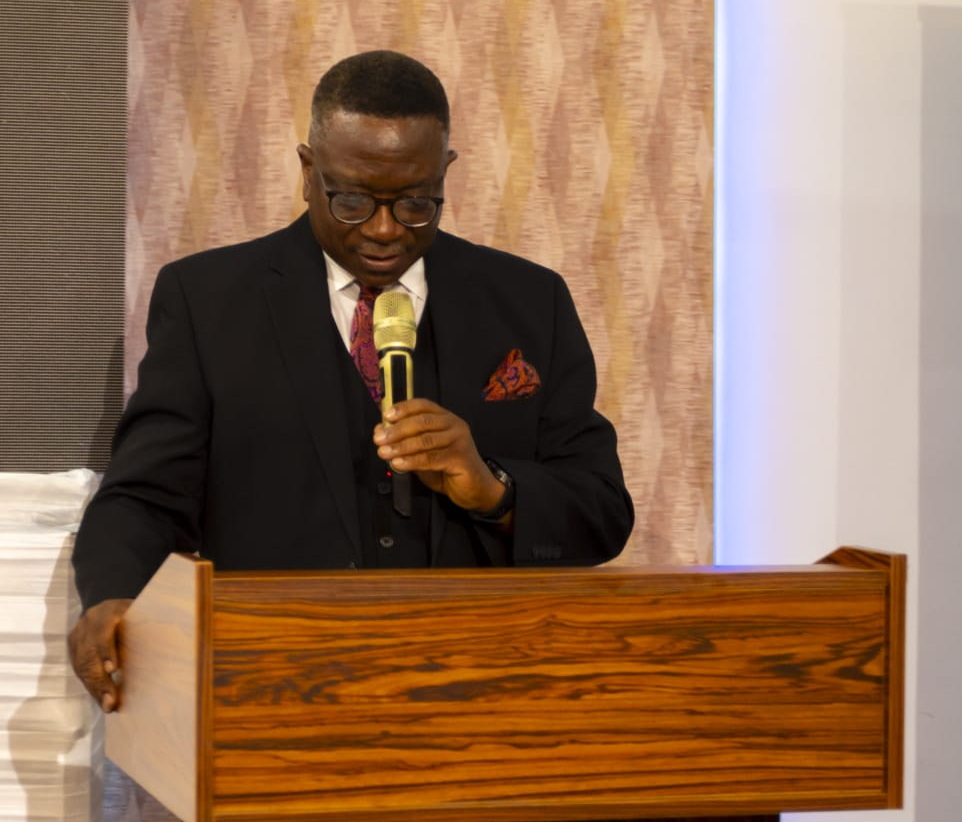
Delivering the keynote address, the former Vice-Chancellor of Central University, Professor Bill Buenar Puplampu, warned that Africa risks missing another global industrial revolution if it fails to invest in artificial intelligence, research and digital innovation.
He said previous industrial revolutions largely bypassed Africa, adding that the continent cannot afford to repeat that history.
He encouraged graduates to embrace AI as a tool to improve productivity while maintaining creativity, critical thinking and ethical decision-making.
"This is the time for graduates to decide that AI should support human intelligence, not replace it," he said.
Professor Puplampu also cautioned students against overdependence on generative AI platforms such as ChatGPT and Gemini, saying originality and independent thinking remain essential qualities for future leaders.
On his part, the president of Southshore University College, Professor N.N.N. Nsowah-Nuamah, said the institution's transition from Dominion University College reflects a renewed focus on artificial intelligence, research and innovation.
He said AI is already transforming sectors including healthcare, education, engineering and business, making it imperative for universities to prepare graduates who can shape the technology responsibly.
"The question is not whether AI will change the world. It already has. The real question is who will lead that change," he said.
Professor Nsowah-Nuamah urged graduates to combine technical competence with creativity, ethical leadership and a commitment to solving society's challenges.
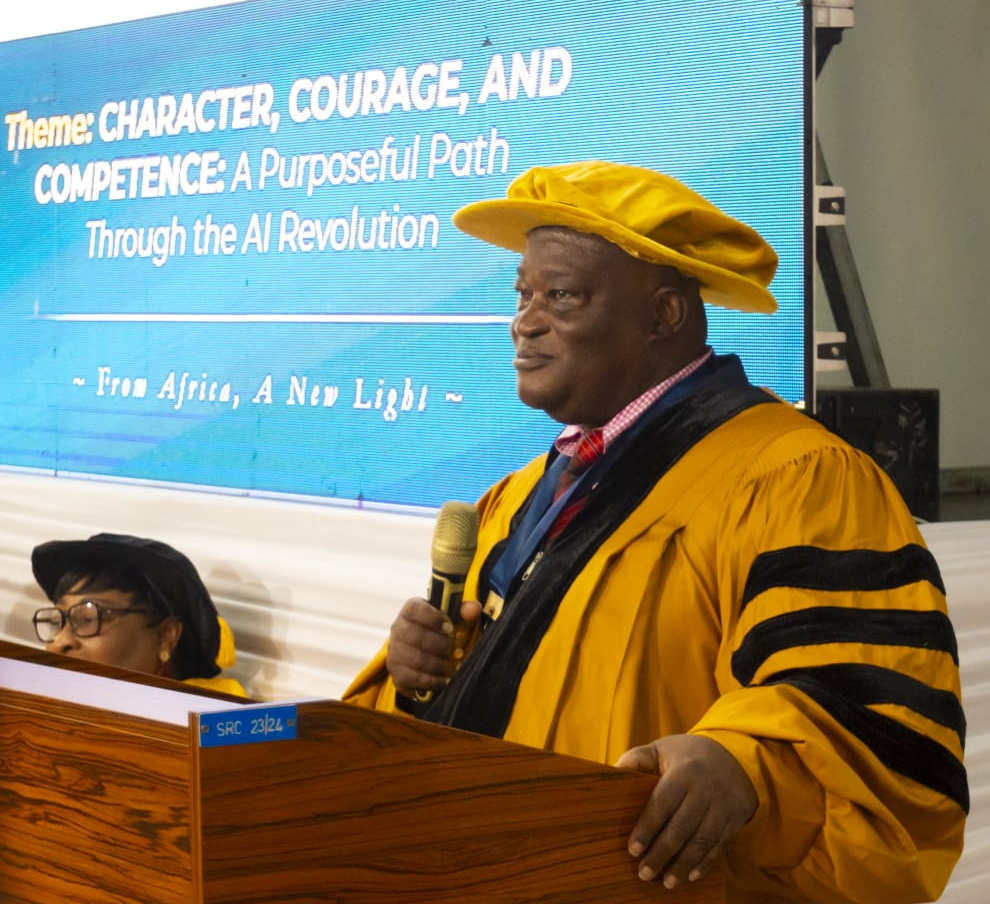
Speaking during the closing session, Patron of Southshore University College, Baafuor Dr. Ossei Hyeaman Brantuo VI, Manwerehene of Otumfuo, challenged graduates to use artificial intelligence to develop practical solutions to some of Ghana's most pressing problems.
He encouraged them to deploy AI to improve water security through smarter rainwater harvesting systems, support local solar panel manufacturing using Ghana's silica resources, and promote Ghana's cultural heritage through technology-driven architectural design and digital innovation.
He urged the graduates not to wait for opportunities but to create them, saying technology offers young people the tools to transform communities and drive national development.
The ceremony also saw the university announce five newly accredited master's programmes, including Computer Science and Information Technology, as part of efforts to strengthen research, science and AI education.
A total of 82 students graduated with qualifications at the HND, undergraduate, postgraduate, doctoral and Executive Certificate in Business Management (ECBM) levels.
Latest Stories
-
Imagination Africa, Mentors Chess Academy to host second African Genius Chess Championship at Ghud Park
20 minutes -
Nana B passport claims a diversionary tactic — Abu Jinapor
1 hour -
Pope Leo diagnosed with cancer as doctors remove lobe of lung, Vatican says
1 hour -
Legal Aid Commission takes free legal services to Techiman main lorry terminal
1 hour -
Nana B denies seeking passport favour, accuses Ablakwa of failing to account for GH¢16.4m
1 hour -
Young girls demand climate action, stronger protection against child marriage
2 hours -
Ex-gang boss sentenced to 40 years for orchestrating Tupac Shakur’s murder
2 hours -
From near-deferral to three awards: UMaT graduate’s academic journey
2 hours -
Atta Akyea denies seeking presidential pardon for Wontumi in galamsey case
2 hours -
Photos: Mahama commissions 85-bed Police Hospital ward, donates two ambulances
2 hours -
GTEC directs Ghana’s public universities to reopen by October 16 and begin lectures on October 19
2 hours -
Star Oil donates GH¢1million towards construction of new CID facility
3 hours -
Court hands Adjetey Sowah, two others lifetime bans after Amputee Football legal dispute
3 hours -
NDC appoints Julius Kwame Anthony as a Deputy Communications Director
3 hours -
Ghana repatriates 120 Nigerians rescued from suspected cybercrime centres
3 hours