

Audio By Carbonatix
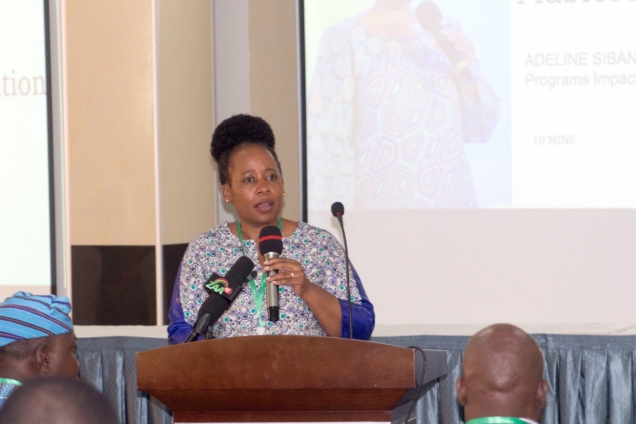
A senior director at the Mastercard Foundation, Adeline Sibanda, has advocated for the utilisation of Indigenous knowledge systems, local ways of knowing, cultural practices, and an understanding of diverse local contexts (referred to as "Made in Africa Approaches") to inform the evaluation practice in Africa.
“We believe that the use of Indigenous knowledge systems, local ways of knowing, cultural practices, and consideration of the different local contexts (Made in Africa Approaches) should shape the evaluation practice in Africa,” Madam Sibanda said.
Adeline Sibanda emphasised the significance of altering the current norms and perspectives regarding the conception and execution of evaluation practices in Africa, indicating that the Foundation is proud to be associated with organisations that are working hard to recover, revive and redeploy these knowledges.
She was speaking at a 3-day event in Tamale dubbed, “De-colonising and Re-imagining Made in Africa MEL Methods and Practices.” The event envisions a future where Africa reshapes its own narratives: Decolonizing and Reimagining Made in Africa monitoring, evaluation and learning (MEL) Methods and Practices.
“We are convinced that we are making history, some of the approaches, methods and tools developed here will guide the way evaluation approaches are used globally. We are at the dawn of crafting our own evaluation and measurement approaches that are Made in Africa,” she stated.
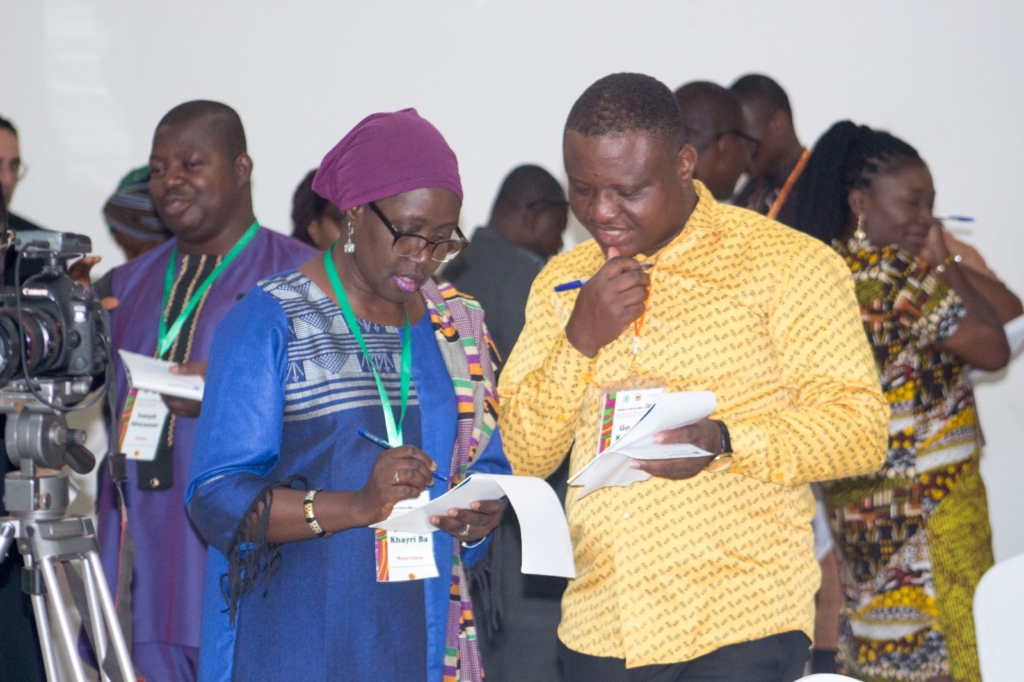
The Mastercard Foundation is supporting three consortia, namely the University for Development Studies, University of Botswana, and the Bertha Centre, to implement the Made in Africa Evaluation initiative. This initiative aims to address power imbalances, amplify voices, and promote knowledge empowerment for marginalized youth in Africa.
The Foundation is also collaborating with Carleton University to foster a network of African scholars specializing in indigenous knowledge. Additionally, they are partnering with the Council for the Development of Social Science Research in Africa (CODESRIA) to train early career researchers in exploring, preserving, and collaboratively utilizing indigenous and alternative knowledge alongside knowledge keepers.
For Adeline, no evaluation exists outside a context or cultural realities hence, it is important to implement a youth centred, inclusive, Indigenous approach in the Foundation’s work. “We need to interrogate how we as evaluators arrive at knowledge. What lenses are we using and are they appropriate.”
She commends Dr Sulley Gariba (1958-2021), who was a major contributor to the AfrEA efforts to decolonize evaluation by promoting high quality evaluations led by, and rooted in Africa, including evaluation theory and practice that is relevant and responsive to African contexts and needs, which we now know as the Made in Africa Evaluation.
Latest Stories
-
Photos: Gomoa Easter Carnival 2026 ends in a burst of colour and celebration
19 minutes -
Gomoa Easter carnival ends in colour as fashion, music and celebrity appearances light up final night
20 minutes -
Families pick Luv Fm Family Party to celebrate Easter Monday with music and more
47 minutes -
Legal and procurement red flags in Ghana Gas insurance change — IMANI
56 minutes -
Kaneshie footbridge rehabilitation to take up to 9 months — AMA
1 hour -
AMA confirms trading will be banned on Kaneshie footbridge after rehabilitation
1 hour -
IMANI flags procurement concerns in state insurance placements
1 hour -
Mahama’s push for visa-free Africa reflects Nkrumah’s Pan-African vision – Rashid Tanko-Computer
2 hours -
Redefining sweetness: Why our celebrations must heal, not harm
2 hours -
IMANI urges Mahama to reaffirm his 2014 directive on competitive state insurance placements
2 hours -
Maiden Katon Praise comes off at Accra Sports Stadium on April 17
2 hours -
Families flock to Luv FM Easter party at Rattray park in Kumasi
2 hours -
Rural health worker laments overwhelming burden at CHPS compounds
3 hours -
Katon Meet to stream Accra stadium Katon Praise Concert worldwide
3 hours -
Gov’t considers exploring local raw materials to stabilise production costs of sachet water prices
3 hours