

Audio By Carbonatix
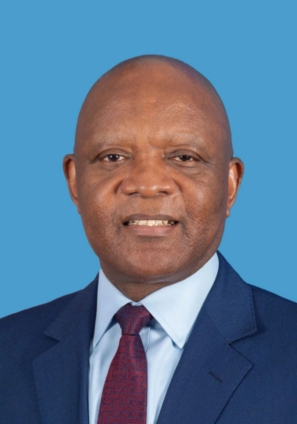
The health of Africans must never hinge on the political outcomes of elections in foreign countries; that was the firm message from Dr John Nkengasong, Executive Director for Higher Education, Collaboratives, and Strategic Initiatives at the Mastercard Foundation, during a webinar on the organisation of the 8th Galien Forum Africa and the 5th Prix Galien Africa
"The outcomes of elections in other countries cannot affect the health of African people," Dr Nkengasong stressed.
"We must not leave the future of our people in the hands of political outcomes in other Western countries."
He argued that Africa’s health and development future must be shaped and financed by Africans themselves.
Answering questions about Health Sovereignty, Dr Nkengasong, insisted that Africa must transition from dependency on external aid to a system rooted in continental ownership and accountability.
"Health sovereignty in Africa must be owned by Africans," he said. "It must be in the context of what we hope to achieve on the continent. The time has come for Africa to look inward."
He emphasised the need to treat health financing as an investment rather than an expenditure.
“Funding health should be viewed as an investment, not as expenditure,” he noted, adding that such a mindset is crucial if Africa is to build resilient health systems.
On investing in traditional African medicines and medical research, Dr Nkengasong called for renewed investment. "In the past 25 years, GDP in African countries have grown significantly since the Abuja Declaration”, he said. “Our economies are not as fragile as they used to be. We must invest the capital flow in health, in research and innovation, just as the U.S. invested in its National Institutes of Health."
He maintained that development must be driven from within. "In the history of development, no country has ever developed another country," he stated.
Dr Nkengasong also underscored the importance of long-term commitment from political leaders, noting that effective resource management and political will are "paramount if Africa wants to improve health outcomes."
Highlighting Ghana's progress, Dr Nkengasong praised the country’s National Health Insurance Scheme (NHIS) and the Accra Reset launched by President John Dramani Mahama as part of efforts to strengthen Africa’s health sovereignty.
The Accra Reset, unveiled at the 2025 United Nations General Assembly, calls for reforming global development institutions and making health sovereignty a central pillar of Africa’s growth agenda.
At the launch, President Mahama said, Health sovereignty must be the entry point for Africa’s broader development vision, urging that health be treated not as a cost but as an investment in human security and productivity.
Dr Nkengasong also urged African nations to collaborate in vaccine production through regional pooling and African Union-led policy harmonisation.
He said vaccine production must be collaborative among African countries, and regional pooled procurements, the African Union leadership, and unified policies are essential.
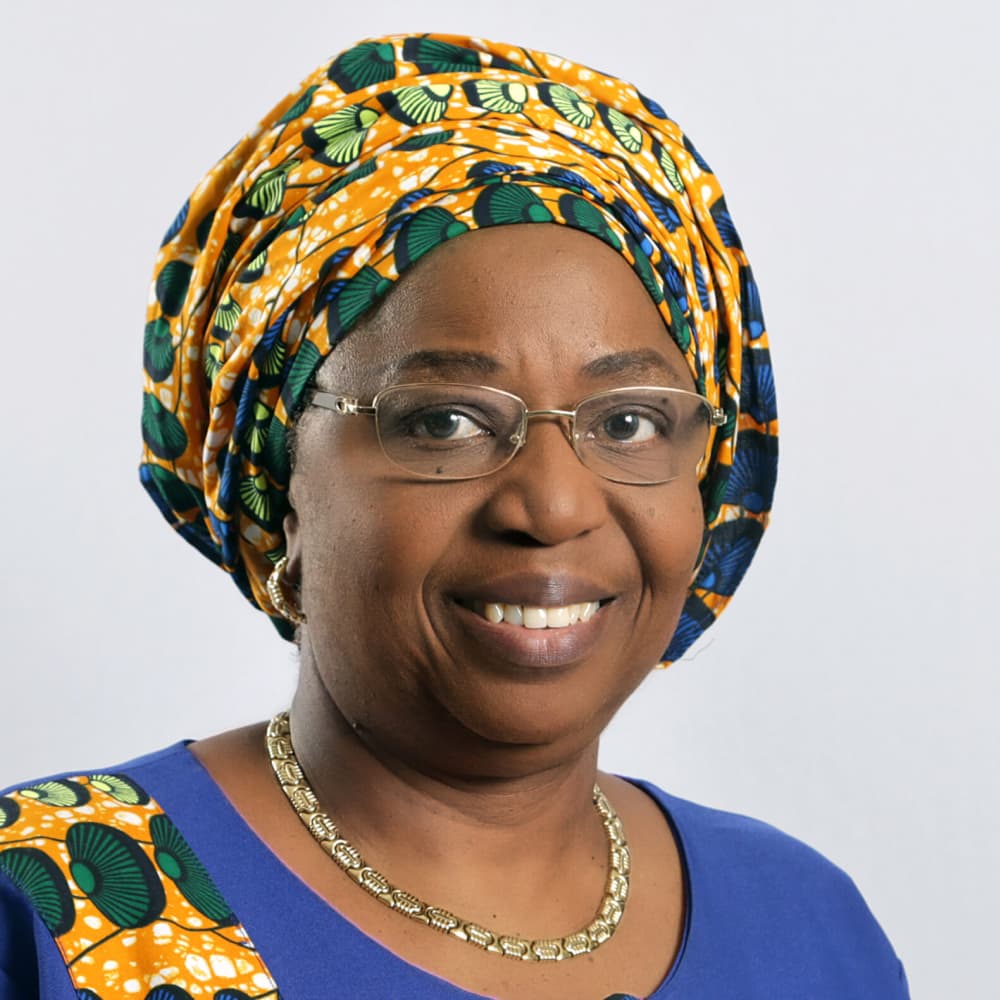
Chair of Galien Africa and former Senegalese Minister of Health, Prof. Awa Marie Coll Seck, reinforced the message of local ownership, calling for health education reforms and the integration of ancestral knowledge.
“Health is a real investment,” she said. “We need to look at new strategies for health, starting with health education in school curricula. If we fail to teach about health, nutrition, and sanitation, we will continue to face problems.”
She urged African countries to rediscover traditional knowledge in food, medicine, and wellness.
“There is a need to go back to ancestral knowledge in terms of health and nutrition,” she noted.
Prof. Coll Seck also highlighted the importance of engaging young scientists, especially those recognised under the Prix Galien Africa, to drive innovation in medical research and biotechnology.
She explained, some awards are given to young people to maintain and grow their interest in the medical sciences. “The African Medical Agency and Galien Africa are focused on strengthening regulation, medical research, and accountability.”
The Galien Africa Forum and its affiliated Prix Galien Africa continue to celebrate African-led scientific excellence and encourage collaboration among researchers, policymakers, and innovators.
Both speakers at the webinar believe, African Health sovereignty is not just a dream; it is an imperative. It must be built by Africans, funded by Africans, and sustained by Africans.
The Galien Africa webinar was organised by REMAPSEN (the Network of African Media Professionals for Health and Sustainable Development).
The session was moderated by Bamba Youssouf, President of REMAPSEN, and Bouba Sow, Executive Director of REMAPSEN.
Latest Stories
-
Health Ministry engages Ga Mantse ahead of Free Primary Healthcare launch
9 minutes -
We can tackle multiple priorities – Sam George defends Anti-LGBTQ Bill push
44 minutes -
Statement: Ghana Chamber of Mines’ Response to Claims in Joe Jackson’s “Ananse Stories about the Economy of Ghana”
46 minutes -
GES opens 2026 teacher recruitment for licensed B.Ed graduates
48 minutes -
Ghana must value skilled trades, build resilient learners — Ibn Chambas
56 minutes -
Ghana must rethink education around relevance, resilience and responsibility — Ibn Chambas
59 minutes -
Prince Harry faces defamation lawsuit from charity he co-founded
1 hour -
South Korea deploys thermal cameras to track escaped zoo wolf
1 hour -
Calls for royal meeting with Epstein survivors grow ahead of US visit
1 hour -
Ibn Chambas advocates blend of technology and human values in education
1 hour -
UMA improves healthcare access in Asutifi North with GH₵700k ‘Kim Taylor Legacy’ Walkway
1 hour -
Scholarships Authority and Fanaka University offer sponsorship for procurement and supply chain studies
1 hour -
Bisa Kdei drops new single ‘Go N Look’ featuring Medikal
1 hour -
Benin facing rising terrorism in north as French military presence faces growing criticism
1 hour -
UEW Public Lecture Series 2026: Education debate ‘about the soul of Ghana’s future’ — Dr Ibn Chambas
1 hour