

Audio By Carbonatix
Growing at unprecedented rates, and shaped by forces both familiar and new, dozens of African cities will join the ranks of humanity’s biggest megalopolises between now and 2100.
Several recent studies project that by the end of this century, Africa will be the only continent experiencing population growth.
Thirteen of the world’s 20 biggest urban areas will be in Africa - up from just two, today - as will more than a third of the world’s population.
Researchers created three population models to account for different paths of development African countries might take this century, and in all of them, African cities outpaced the rest of the world’s cities in growth.
They found that changes in government policies, education levels, access to contraception, movements for women’s equality and the severity of climate change had significant effects on the birthrates driving population growth, but not enough to keep most major African cities from growing faster than cities on other continents.
In each of the following five African cities, we examine common themes - migration, inequality, foreign investment, conflict, and planning - that underlie this transformation across the continent.
- Lagos, Nigeria: Set to become the world’s most populous city, Lagos faces all the challenges rapid growth poses, which can be boiled down to one; planning. Can solutions outpace the weight tens of millions of new inhabitants will place on a city that is low-slung and dense, situated on polluted lagoons and rivers, and short on public services?
- Khartoum, Sudan: Unstable states like Sudan crumble first in their hinterlands, and in those moments of crisis, cities are beacons of safety, places for people to regroup, build new identities and forge political movements - even revolutions - that aim to bring peace back to places they had to abandon.
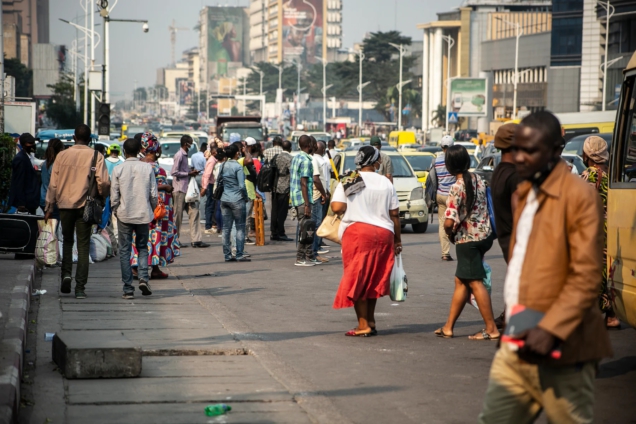
- Kinshasa, Congo: In a city whose geography still reflects segregationist colonial-era planning, where a handful of oligarchs lead gilded lives while the poor navigate systems broken by corruption and neglect, we get a glimpse of what it takes to break inequality’s shackles.
- Mombasa, Kenya: The designs of foreign powers have molded African cities for centuries, especially along the continent’s coasts. From narrow-alleyed old towns to gleaming new container-shipping terminals, port cities like this one are layered with evidence of how budding empires, in the Arab world, Europe and now China, sought to remake them.
- Abidjan, Ivory Coast: Despite fearmongering that Africa’s growing population will flood into wealthier parts of the world, cosmopolitan cities like this one draw most of Africa’s migrants and serve as models of tolerance, welcoming immigration policies and a reinvigorated Pan-African identity.
Latest Stories
-
Health Ministry engages Ga Mantse ahead of Free Primary Healthcare launch
10 minutes -
We can tackle multiple priorities – Sam George defends Anti-LGBTQ Bill push
45 minutes -
Statement: Ghana Chamber of Mines’ Response to Claims in Joe Jackson’s “Ananse Stories about the Economy of Ghana”
46 minutes -
GES opens 2026 teacher recruitment for licensed B.Ed graduates
48 minutes -
Ghana must value skilled trades, build resilient learners — Ibn Chambas
57 minutes -
Ghana must rethink education around relevance, resilience and responsibility — Ibn Chambas
60 minutes -
Prince Harry faces defamation lawsuit from charity he co-founded
1 hour -
South Korea deploys thermal cameras to track escaped zoo wolf
1 hour -
Calls for royal meeting with Epstein survivors grow ahead of US visit
1 hour -
Ibn Chambas advocates blend of technology and human values in education
1 hour -
UMA improves healthcare access in Asutifi North with GH₵700k ‘Kim Taylor Legacy’ Walkway
1 hour -
Scholarships Authority and Fanaka University offer sponsorship for procurement and supply chain studies
1 hour -
Bisa Kdei drops new single ‘Go N Look’ featuring Medikal
1 hour -
Benin facing rising terrorism in north as French military presence faces growing criticism
1 hour -
UEW Public Lecture Series 2026: Education debate ‘about the soul of Ghana’s future’ — Dr Ibn Chambas
1 hour