

Audio By Carbonatix
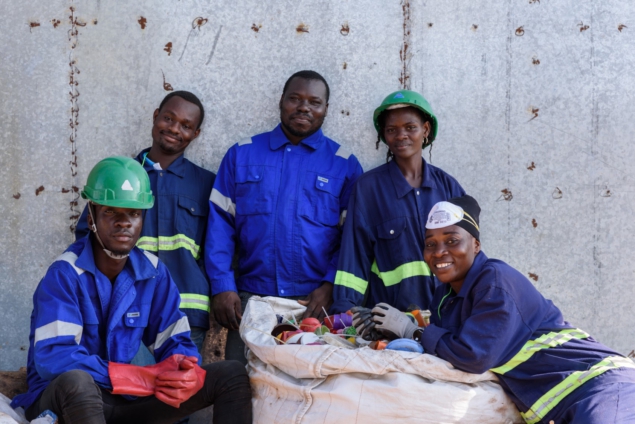
The Alliance to End Plastic Waste (the Alliance) has partnered the ASASE Foundation to support women entrepreneurs working to reduce plastic litter in communities.
The initiative called 'Closing the Loop' uses a circular economy model, to enable local communities to benefit from discarded plastic waste by collecting, reprocessing, and reselling it.
Closing the Loop kicks off the Alliance’s support for projects based in Africa.
It was first launched by ASASE in 2018 to provide seed money to equip a plastic waste reprocessing plant as well as provide technical and business management training to women entrepreneurs to run the recycling plant for profit.
The project has already created eight jobs within the community as well as diverted 35 (metric) tons of plastic from waste in the first twelve months.
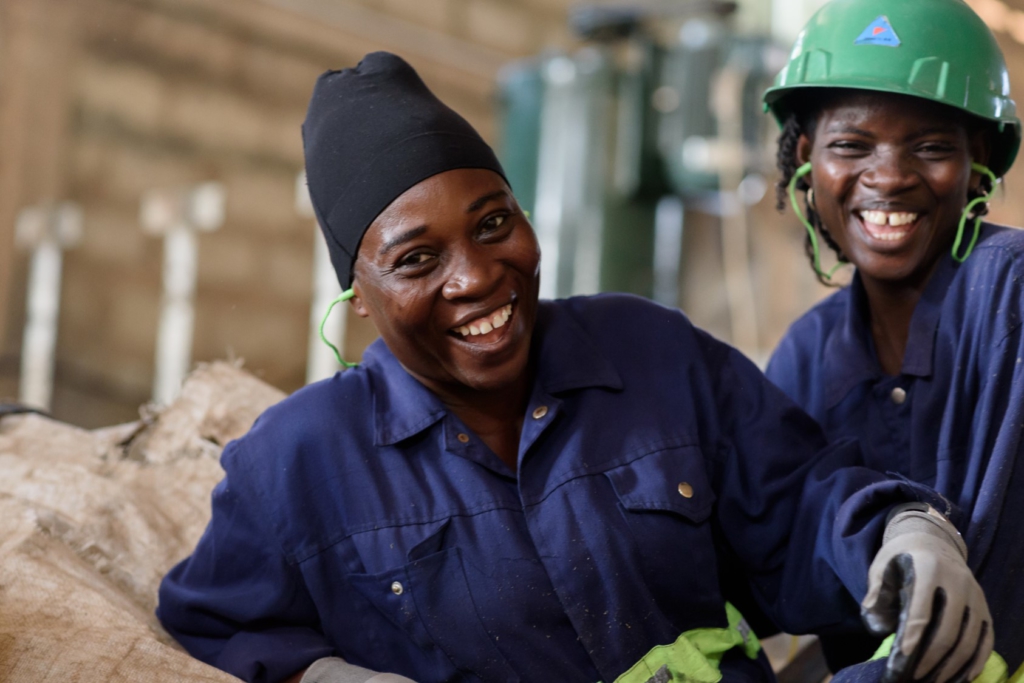
By partnering with the Alliance, the capacity of the reprocessing plant will increase to divert 2,000 (metric) tons of plastic waste per year and create even more jobs.
“A key pillar of ending plastic waste in the environment is the sustainable impact it will bring to the well-being of local communities.
This is why our partnership with ASASE isespecially meaningful because Closing the Loop is the right step towards a circular economy model.
"It directly benefits those living in areas which don’t have access to plastic waste collection and sorting systems.
"This initiative is a simple but scalable action that benefits the environment but supports the inspiring women of Ghana who are building their communities on the path towards ending plastic waste in the environment,” said Jacob Duer, President and CEO, Alliance to End Plastic Waste.
Dana Mosora, founder and Managing Director of ASASE Foundation said, “What we value most in our partnership with the Alliance to End Plastic Waste is the access to the expertise in waste management which we can leverage now in our project, effectively multiplying the impact of the funding provided by the Alliance to our project.”
The partnership has also opened the possibility to bring in expertise from an academic partner, the Swiss Federal Institute of Technology.
This will be in areas such as developing new end market applications and developing the concept of a new financing system for the management of plastic waste in Ghana.
The recycling plant processes a range of plastic waste from water sachets (LDPE) to shampoo and detergent bottles (HDPE)and large cooking oil containers (HDPE), converting it into regrinds.
The regrinds are then sold to recyclers to make items such as pavement blocks, sheets for construction, basins and liners, most of which goes back into the community.
Latest Stories
-
Western North police arrest four suspected fake National Security operatives over alleged mining site raid
10 minutes -
We cannot build an aviation hub on 2010 rates – Agalga defends new airport levies
10 minutes -
Fighters leadership undergoes systems training in Project Management at Cambridge Centre of Excellence
44 minutes -
Fires in Ghana: We know the next one is coming
1 hour -
Kasoa Old Market demolition displaces hundreds as Assembly defends action
1 hour -
Manhyia South MP demands PPA board minutes on ‘Big Push’ sole-sourcing approvals
1 hour -
Today’s Front pages: Tuesday, April 7, 2026
1 hour -
President Mahama praises GWL MD Adam Mutawakilu over Damongo Water Project progress
1 hour -
Ghana–China Forum explores zero-tariff trade opportunities
2 hours -
What is wrong with us?: A quiet truth we can no longer ignore
2 hours -
What is wrong with us?: When sirens become symbols of power rather than protection and emergencies
2 hours -
Businesses scramble to get noticed by AI search
3 hours -
From perk to performance: Why employee wellness must be a core business strategy
3 hours -
Bank of Ghana’s $1.3bn profit from gold sale could help narrow 2025 losses
3 hours -
Odau Twafohene Baffour Osei Afrifa appointed Regent of Akyem Chia
3 hours