

Audio By Carbonatix
Research shows that exposure to lead-based paint can cause severe cognitive impairments, affecting learning ability, memory, and overall brain development.
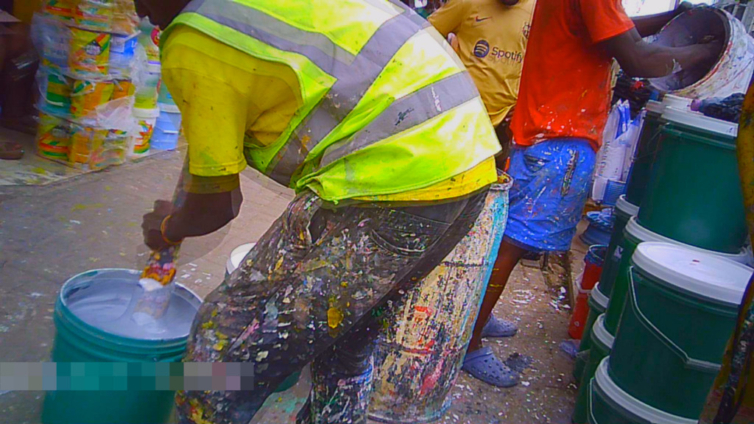
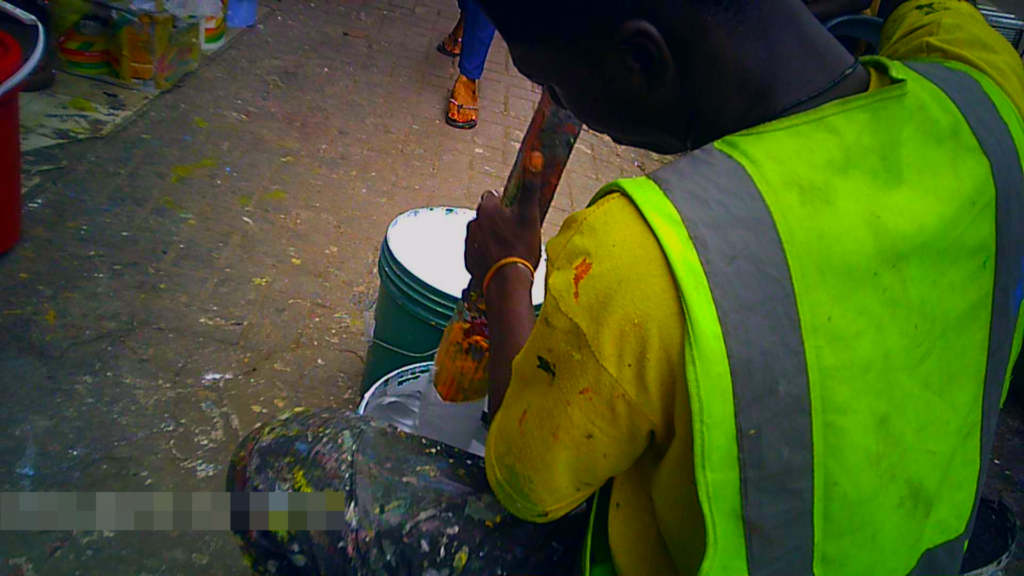
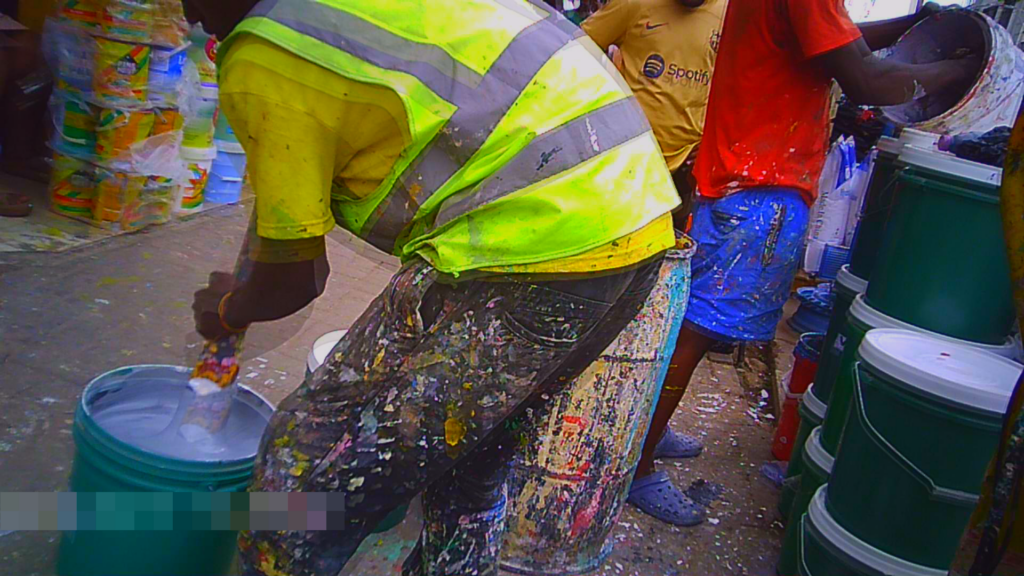
In JoyNews’ latest Hotline documentary, “American Paints: The Painter’s Galamsey,” an alarming presence of high-lead paints being sold on the Ghanaian market has been uncovered.
A groundbreaking study conducted by American researchers in collaboration with Ghana’s regulatory agencies revealed dangerously high levels of lead in locally sold paints.
Out of 46 paint samples analyzed, 15 contained lead levels far above the acceptable limit of 90 parts per million (ppm).
Shockingly, this marks a sharp increase from 2023, when only six out of 59 samples tested exceeded safe lead levels.
Even more concerning, some paints that were previously below the 90 ppm threshold have now surpassed it, with the highest lead content found reaching a staggering 200,000 ppm.
Households using these paints unknowingly expose pregnant women and children to severe health risks, including irreversible brain damage and other neurological disorders. The devastating consequences of lead poisoning make it critical for consumers to be aware of the hidden dangers lurking in these products.
Anecdotal evidence suggests that the affordability of these paints compared to locally manufactured ones may be driving their popularity.
However, these paints are not certified by the Ghana Standards Authority. According to the Authority’s CEO, Prof. Alex Dodoo, these so-called “American paints” are not regulated, creating a major gap in oversight.

A regulatory turf war has further complicated the issue. The Ghana Standards Authority claims that the mandate to regulate these imported paints has been handed over to the Food and Drugs Authority (FDA), making it difficult to enforce safety standards. Meanwhile, the FDA insists it has no jurisdiction over imported paints, leaving the market unmonitored.
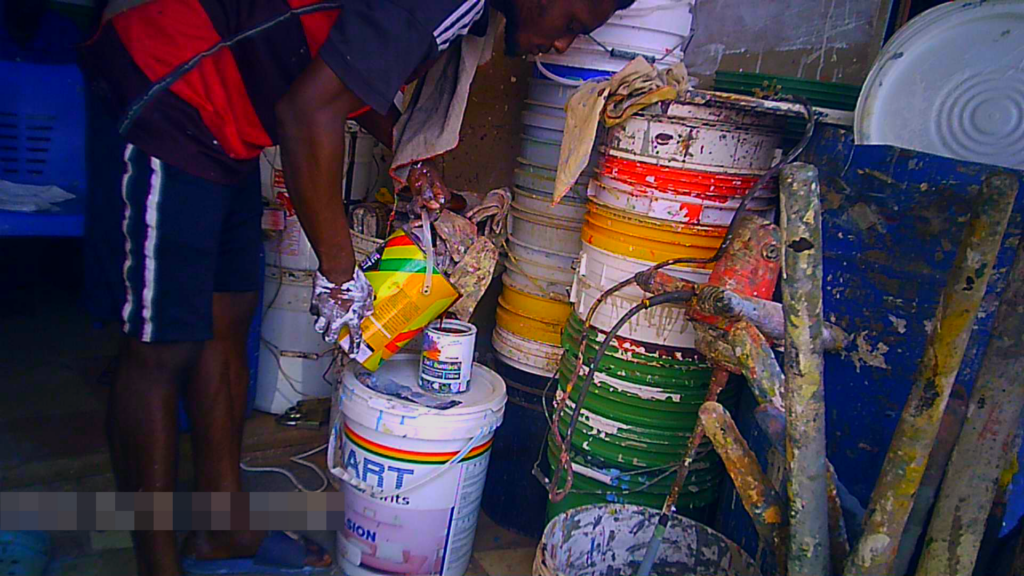
Freight forwarding agents have revealed how some importers collaborate with customs officials to smuggle these hazardous paints into the country, avoiding statutory duties and bypassing regulatory scrutiny. Once on the local market, oversight becomes nearly impossible.
Jessica Nkansah, Director of the Inspectorate Directorate at the Ghana Standards Authority, has raised concerns over the conditions under which these paints are processed.
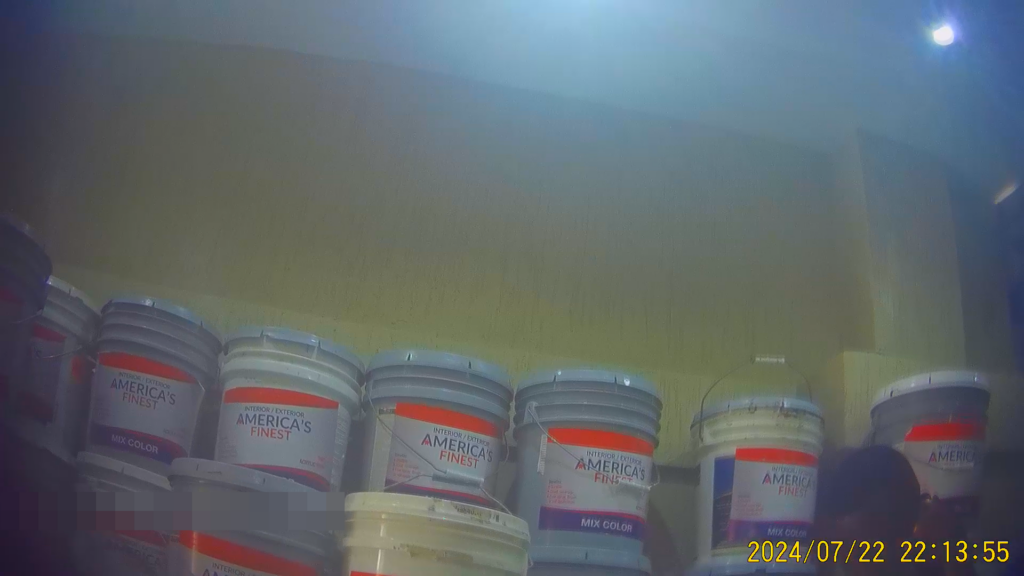
Environmental Protection Agency (EPA) Technical Officer on Lead, Lovelace Sarpong, noted that while some local manufacturers have improved their lead standards since a 2013 United Nations Environment Programme investigation, these uncertified imports remain a growing threat.
Clearly, the label “American Paints” is an illusion - a deceptive branding tactic that lures unsuspecting Ghanaians into purchasing cheap yet harmful products.
Without urgent intervention, these toxic paints will continue to endanger lives, especially those of children, the most vulnerable victims of lead poisoning.
Latest Stories
-
Automated sampling removed bias in NPP delegate survey – Dr Evans Duah
8 minutes -
Bui Power Authority calls for urgent action against galamsey upstream of power plant
9 minutes -
Well-funded NGOs now controlling curriculum development in Ghana – ex-NaCCA head reveals
15 minutes -
Ibrahim Osman joins Birmingham City on season-long loan from Brighton
23 minutes -
IES defends NPA price floor policy amid debate over fuel pricing
24 minutes -
13 schoolchildren killed after bus collides with lorry in South Africa
26 minutes -
Moroccan FA to take legal action with CAF and FIFA over Senegal stoppage in AFCON final
35 minutes -
Arise Ghana set to picket US Embassy over Ofori-Atta’s return to face justice
46 minutes -
NPP Primary: Only Kennedy Agyapong is likely to secure 50%+1 votes – Researcher
47 minutes -
NPP sold over 300 Metro Mass buses amongst cronies in 2020 – Deputy MD
54 minutes -
Research highlights delegate behaviour ahead of NPP primaries
55 minutes -
Medical Kalabule: Inside Ridge Hospital’s system that exploits patients [Part One]
59 minutes -
FosCel founder calls for integration of sickle cell education into Ghana’s school curriculum
1 hour -
GCB Bank rewards first 10 winners in ‘Pa To Pa Promo’
1 hour -
GIPC hosts business forum with 54-member Japanese delegation following presidential state visit to Japan
1 hour