

Audio By Carbonatix
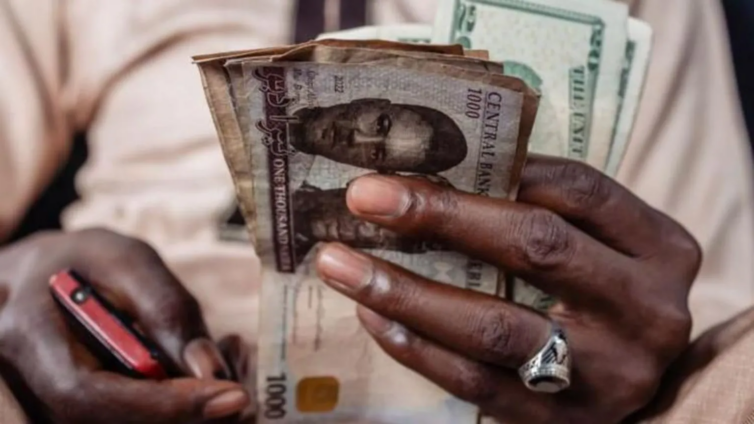
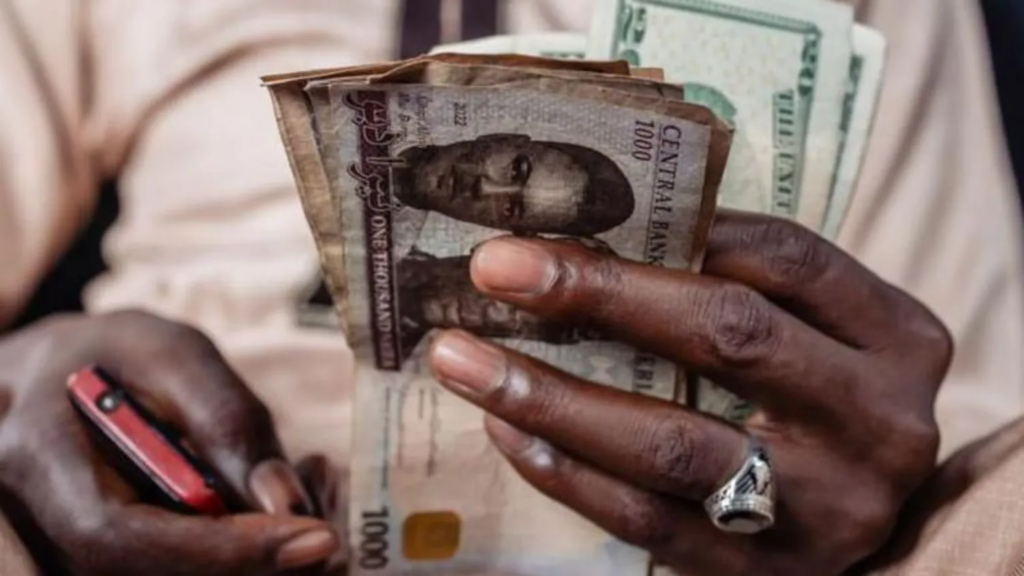
Many Nigerians have condemned the introduction of a new levy on electronic banking transactions, with some saying it will push them back to using cash.
The Central Bank of Nigeria (CBN) has told financial institutions the 0.5% levy intended to raise money to enhance cybersecurity will take effect in two weeks' time.
Nigeria is experiencing its worst economic crisis in a generation and many people say the levy will cause further hardship as they struggle to afford basic items.
Dr Abdulrazaq Fagge, who teaches economics at Yusuf Maitama University, tells the BBC this is a wrong move by the government that will have negative effects on Nigeria’s struggling economy.
“It is not only bad timing but a wrong move altogether as no government should put [an] additional burden on its citizens at a time they are struggling to get by,” he says.
He said it would also hurt small businesses.
"If you transfer a million naira, five thousand naira gets deducted as cybersecurity levy, which is not fair to ordinary persons."
The lecturer says the money should be paid by banks as they make huge profits.
Bread seller Abubakar Sheka says he has already made up his mind to avoid electronic banking transactions by the time the levy starts on 20 May.
“There is no way I will agree to be giving 0.5 per cent on my transfers when I earn very little, many people don't buy bread now and business is fragile.
“Why will this government further make us cry with this despite what we are already going through with high cost of food and fuel?”
The Nigeria Labour Congress, which represents the country’s workers, has released a statement rejecting the levy, while the Socio-Economic Rights and Accountability Project (Serap) lobby group has threatened to sue the government.
The government has not yet commented on the reaction.
Public affairs analyst Habu Sani believes the government has done a huge disservice to its cashless economy drive as more people will be dealing in cash now.
“Government pushed people to be using electronic transfers to reduce printing of cash which takes a toll on government finances and now this will further make people go back to cash to avoid paying the levy.
“I foresee a cash shortage soon if government doesn't reverse its decision.”
There was a major shortage of cash for much of 2023 after the CBN introduced currency reforms intended to cut fraud in last year's election. This pushed many people to start using mobile money.
The shortages only eased at the end of last year.
Only about eight percent of people aged between 16 and 64 have used mobile payment services in 2024. This was an decrease from the previous year.
Digital penetration is low in Nigeria due to the lack of mobile signal in many rural areas, while many people cannot afford smartphones.
Latest Stories
-
Edmond Boateng takes up secretary role at Honorary Consular Corps of Ghana
9 minutes -
Gambia appoints British barrister to prosecute gruesome Jammeh-era crimes
26 minutes -
Girl group Flo on entering into their ‘bombastic, confident, strong’ era
36 minutes -
Germany suspends military approval for long stays abroad for men under 45
52 minutes -
Liverpool face uphill Champions League task after PSG thrashing in Paris
52 minutes -
‘Ketamine Queen’ sentenced to 15 years in Matthew Perry overdose death
1 hour -
Nigeria begins mass trial of 500 terrorism suspects
1 hour -
Atletico Madrid stun 10-man Barcelona to seize Champions League semi-final advantage
2 hours -
Black Stars coach to be announced by next week – Sports Minister
2 hours -
Chiefs, queen mothers and principal elders of Odau group denounce ‘rebellious Etweresohene’, pledges allegiance to Okyenhene
2 hours -
KNUST library dress code sparks online backlash over strict rules
2 hours -
Cultural Diplomacy in Action: Ghanaian youth leaders present symbolic smock to U.S. Chargé d’Affaires
2 hours -
Ghana Card payment activation under review – NIA breaks silence on financial integration
2 hours -
Ofori-Atta’s ICE release on bail positive; he poses no risk – Amanda Clinton
2 hours -
Ken Ofori-Atta’s passport seized after bail, set to reappear in US Court on April 27
3 hours