


Audio By Carbonatix
A purge of frozen sperm has been ordered in the Australian state of Queensland after an audit by its health watchdog found almost half of fertility samples were at risk of misidentification.
Such mix-ups can rob parents and donor children of key genetic information and medical records, and advocates say creates a danger of accidental incest.
Queensland is home to one of the country’s largest IVF industries, however, it is self-regulated and has come under scrutiny as some of its biggest providers face claims of malpractice.
The clean-out compounds a national shortage of donated sperm which has been driven by high demand, tightening regulations, and pandemic-related disruptions.
One in six Australian couples faces difficulty trying to start a family, government data shows, with many increasingly relying on donors to conceive.
An inquiry into the multi-million-dollar sector in Queensland by the state’s health ombudsman this week found “systemic issues” concerning “quality and safety” and “safeguards for consumers, donors and donor-conceived children”.
The report detailed how 42% of sperm donations, egg samples and embryos in Queensland had “ identification and traceability” issues - meaning clinics had lost track of or incorrectly labelled samples, or allowed them to deteriorate below laboratory standards.
It also aired allegations from patients who accused IVF providers of failing to disclose the medical conditions of donors, misidentifying eggs and embryos, and mixing up sperm - which one family said had resulted in them parenting children from different biological fathers.
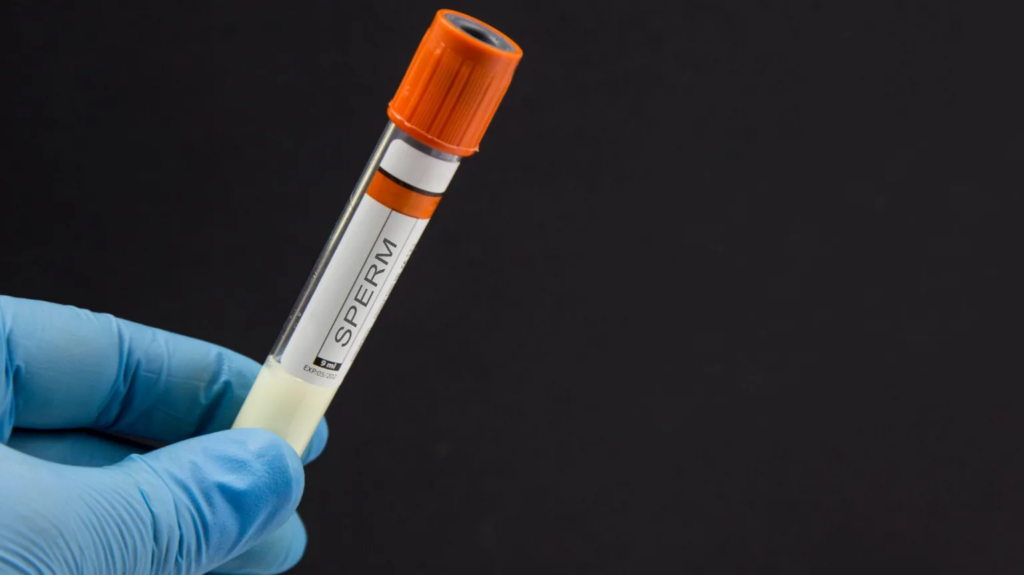
The body recommended that all fertility providers destroy stored donor material that does not meet current identification standards.
“The impact on consumers and the donor-conceived children... cannot be underestimated,” the report concluded, adding that “appropriate counselling should be offered” by fertility providers.
It is unclear how many sperm samples could be destroyed, but the ombudsman deemed "thousands" frozen before 2020 as "high risk” because they “did not comply with double witnessing” - a practice in which two IVF professionals check a patient’s material has been labelled correctly.
Anastasia Gunn - a mother suing one of Queensland’s fertility providers for allegedly providing her with the wrong sperm in 2014 - told the Guardian Australia she was “horrified [but] not surprised” by the ombudsman’s findings.
“It is scary to think how many patients may have unknowingly conceived with the wrong sperm.
“Why were the clinics not double-checking when they were making humans? The effects of these errors last for generations,” she added.
Latest Stories
-
Armed men reportedly storm Adjen Kotoku Onion Market amid tensions
51 minutes -
Tecco Mensah writes: Why football fans must look beyond statistics
2 hours -
Police recover stolen Honda CR-V in Kumasi within 48 hours
2 hours -
Apetorku Gbodzi 2026 Festival opens in Dagbamete with development focus
2 hours -
President Mahama arrives in Lyon to co-chair One Health Summit
3 hours -
Beverly View Plus Hotel draws crowds amid coastal Easter rush in Volta
3 hours -
Maiden Zongo Festival held in Wa amid calls to tackle drug abuse among the youth
3 hours -
FDA warns of fake HIV test kits on Ghanaian market
3 hours -
Africa urged to build resilient health systems as donor support tightens
3 hours -
Easter gesture: Ablakwa settles medical bills for 85 North Tongu constituents
5 hours -
Africa must harness its population strength—Titus-Glover
5 hours -
Visa-free access doesn’t mean unlimited stay – Lom Ahlijah
5 hours -
From Golgotha to Kwahu: The Easter Migration of the Faithful and the Faithless
7 hours -
How the Ghanaian onion traders’ standoff with Nigeria unfolded and threatened local supply
7 hours -
No compensation for demolished structures on 24-Hour Economy market lands — Gov’t to structure owners
7 hours