

Audio By Carbonatix
The first lesson of the day at Agave DA Primary School is not written on a marker board. It is taught in the pre-dawn darkness, with aching shoulders and muddy feet.
It is a brutal, hands-on tutorial in climate vulnerability, where the homework is survival and the students are children who have not yet had their breakfast.
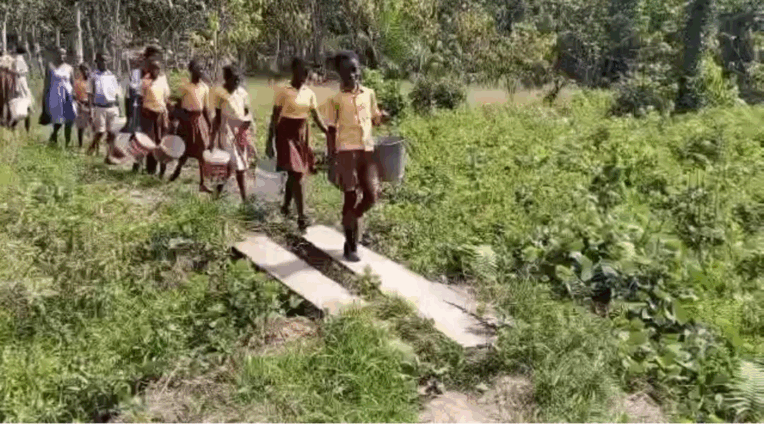
Before the first cockcrow, a silent army stirs. 10-year-old Kofi and his neighbour Joyce shake off sleep not for revision, but for water.
Their plastic jerrycans clank in the dark as they join a sombre procession of classmates on a well-worn path. Their destination: an open, unprotected well two kilometres away—a crater of last resort for a community of 600 people whose only borehole broke down six years ago and was never repaired.
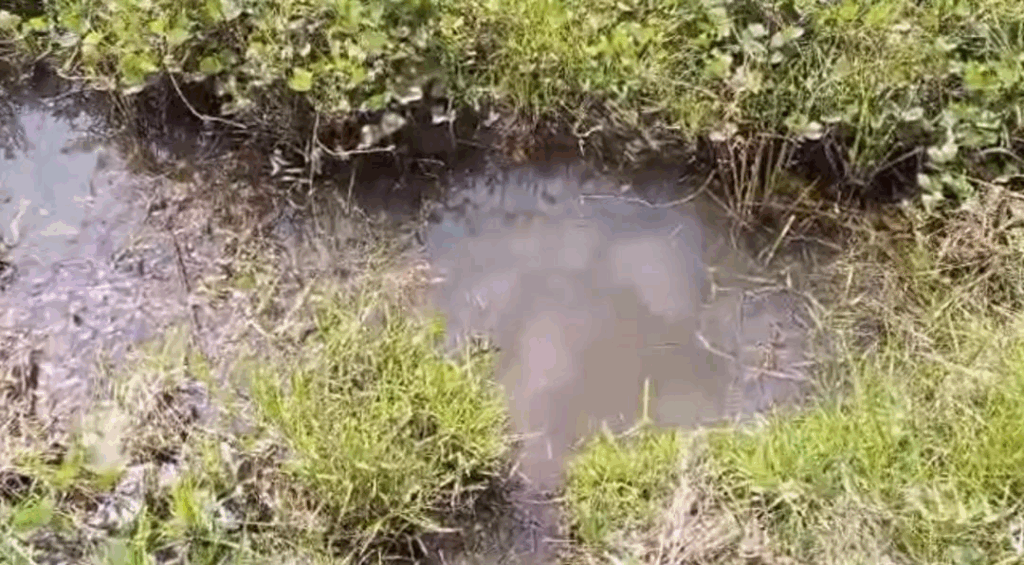
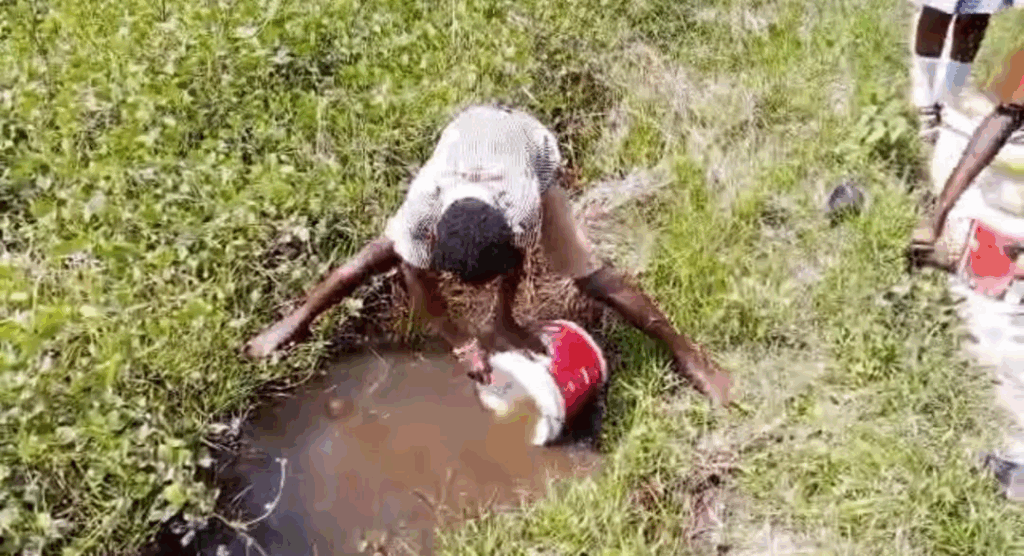
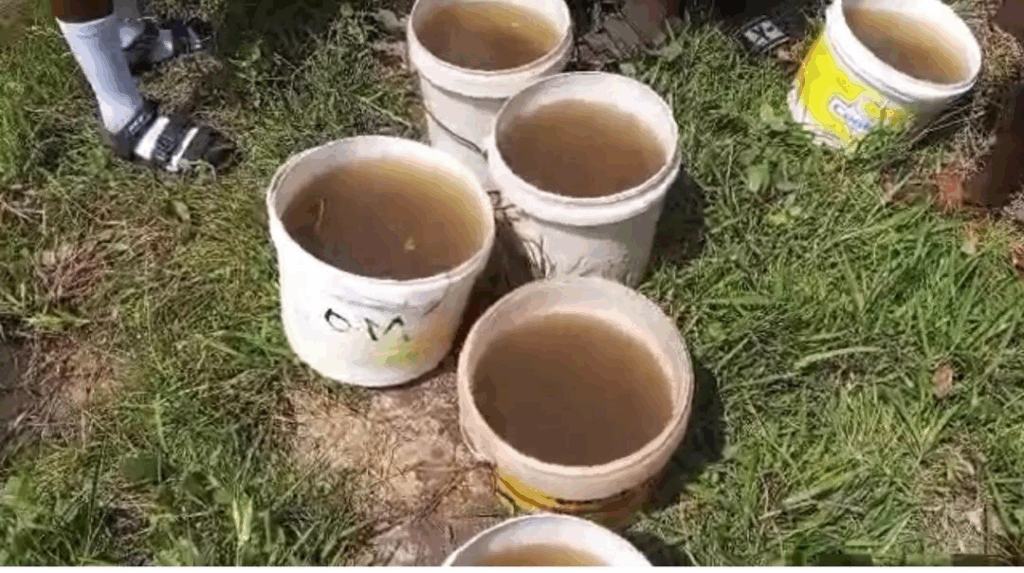
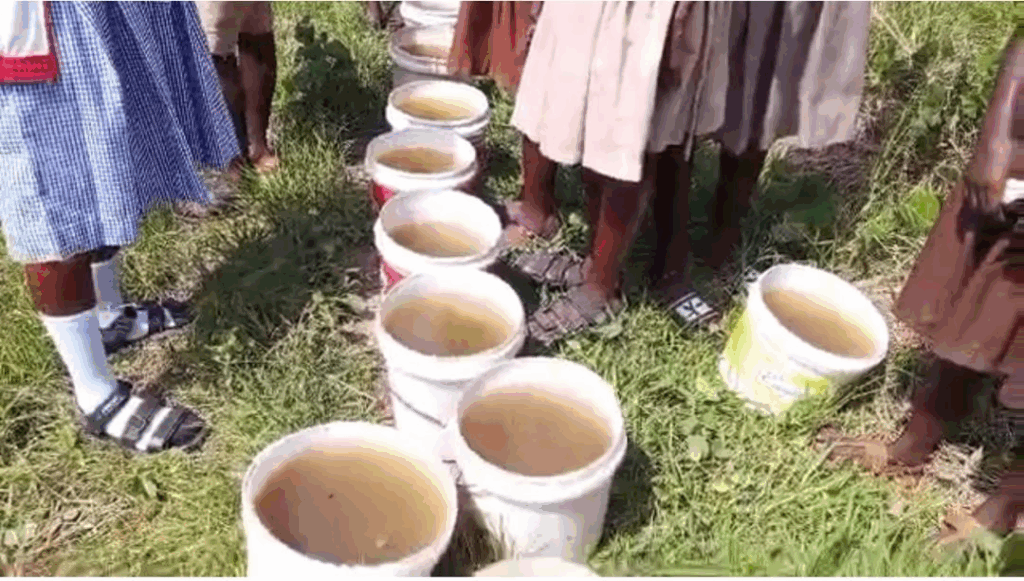
The water, when they finally draw it, is a cloudy, brownish brew. It must settle for hours before it can be decanted for cooking, drinking, and bathing. The well’s edges are crumbling, a perilous drop for a tired child. “I am scared I will fall in,” Efua whispers, her eyes wide. “But if I come back with no water, there will be trouble.”
The Curriculum of Scarcity
This is the relentless reality for the children of Wassa Agave. Climate change, manifesting in increasingly erratic rainfall and longer dry seasons, isn’t a distant concept; it’s the reason their school performance is dropping.
The cycle is cruel and absolute:
- The 4 a.m. Alarm: Waking in the dark to trek for water leads to chronic fatigue. Children arrive at school exhausted before the first bell, their energy and cognitive focus depleted.
- The Late Bell: Many students, still in their uniforms, must first fetch water for their teachers and households. Classes start late and irregularly, disrupting the entire school day.
- The Absenteeism Spike: In the peak dry season, when the well runs dry, the journey extends to distant towns. These hours-long trips make regular school attendance impossible.
- The Health Hazard: The consumption of contaminated, non-potable water is a ticking time bomb for waterborne diseases like cholera and dysentery, leading to more sick days and a weakened, struggling student body.
- The Physical Toll: Carrying heavy, sloshing jerrycans over long distances on young, developing bodies poses severe risks: spinal stress, chronic back and neck pain, and postural deformities that can last a lifetime.
A National Plan, A Local Breakdown:
Ghana’s Updated Nationally Determined Contribution (NDC) 2020-2030 explicitly recognises the need to “reduce vulnerability” and build resilience in water resources. Its sister document, the National Adaptation Plan (NAP) Framework, prioritises climate-resilient water infrastructure and community-based adaptation, stressing gender and social inclusion—which encompasses vulnerable children.
Yet, in Wassa Agave, these documents feel like theoretical texts from another world. The broken borehole is a stark monument to the implementation gap. “The plans talk of resilience,” says local teacher Mr. James Asare, watching his lethargic class. “But what is more fundamental to resilience than a child having safe water to drink and the time to learn? We are trying to build the future on a foundation of thirst and exhaustion.”
The NAP’s goal of “promoting rainwater harvesting” could transform Agave if every school and home had a tank. The NDC’s aim of “enhancing climate-resilient agriculture” could stabilise local livelihoods, reducing the pressure on children for labour. But without targeted, localised investment, these policies bypass the communities most in need.
The Ripple Effect Through a Generation:
The crisis at Agave DA Primary is a microcosm of a national human capital emergency. When children are primary water carriers:
- Education Erodes: Fatigue and absenteeism directly translate into poor grades, high dropout rates, and a dimmed future.
- Health Deteriorates: The dual burden of physical strain and waterborne illness stunts growth and learning capacity.
- The Cycle Continues: Without education, this generation’s capacity to adapt to the complex climate challenges ahead is severely diminished.
A Test Case for Action:
This article is written as part of a collaborative project between JoyNews, CDKN Ghana, and the Centre for Climate Change and Sustainability at the University of Ghana, with funding from the CLARE R41 Opportunities Fund, aiming to spotlight frontline climate vulnerabilities.
Wassa Agave represents a critical test: can Ghana’s laudable national climate frameworks be translated into direct, life-altering action for its youngest citizens?
Fixing the borehole isn’t just a water issue; it’s an education intervention, a public health measure, and a climate adaptation strategy. It would give Joyce and their classmates back their mornings, their energy, and their right to a childhood where their primary burden is a schoolbag, not a jerrycan. The weight of Ghana’s climate future shouldn’t be carried on the heads of its children.
Latest Stories
-
Friends of Bridget Bonnie Marks her 35th birthday with donation to Kasseh Model Health Centre
35 minutes -
Landfilling waste management creates no value, it’s an economic waste
1 hour -
Photos: Speaker Bagbin Commissions MPs constituency office under parliamentary decentralisation programme
1 hour -
Black Stars technical advisor Winfried Schäfer sacked as GFA shakes up backroom staff
1 hour -
Wenchi water project almost complete, critical to gov’t agenda – GWL MD
2 hours -
Anti-LGBTQ+ bill not part of government’s legislative agenda – Inusah Fuseini
2 hours -
Anti-LGBTQ Bill: Forget the rumour mongers, I’m a man of action, and will pass the bill – Speaker
2 hours -
Women and children among those killed in Sudanese army shelling of wedding celebration
3 hours -
President Mahama is not sincere with Ghanaians on LGBTQ bill matter – Hassan Tampuli
3 hours -
Gov’t to establish Prison Industrial Hub to equip inmates with income-generating skills – Prison Service boss
3 hours -
Alhassan Tampuli donates cement, roofing sheets to support storm victims in Gushegu
3 hours -
Alhassan Tampuli appeals for urgent support for storm victims in Gushegu
3 hours -
The hypocrisy must stop; pass Anti-LGBTQ+ Bill now – Alhassan Tampuli to Mahama
3 hours -
Imprisonment should be rehabilitative, not punitive – Ghana Prisons boss at UNGA
4 hours -
Ga Adangbe traditional priests petition Mahama over McDan aviation licence revocation
4 hours