

Audio By Carbonatix
More than 1 million people in the U.S. will save over $1,000 a year beginning in 2025 when an annual $2,000 cap on prescription drug out-of-pocket costs kicks in, the leading lobbying group for older Americans said on Wednesday.
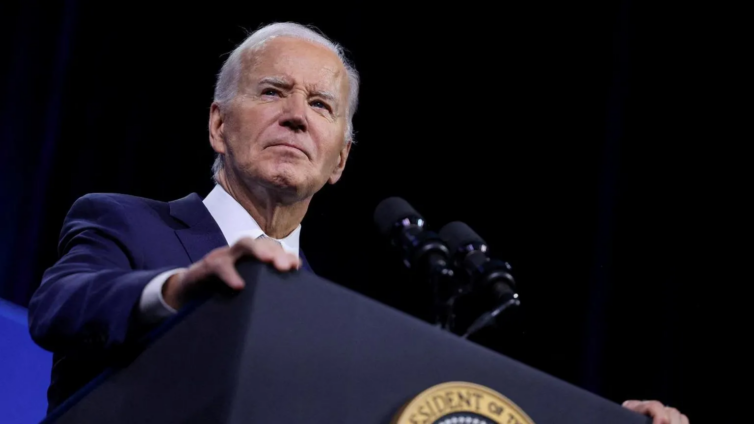
The cap, introduced as part of President Joe Biden's Inflation Reduction Act, applies to the Medicare program for people age 65 or over and those with disabilities. Its prescription drug component, known as Part D, provides coverage for around 56 million people.
AARP, which lobbied in favour of the law, commissioned health consultancy Avalere to conduct a study on the new benefit and published a report on the findings on Wednesday.
The $2,000 cap will lower prices in 2025 for more than 3.2 million people, or around 8.4% of Part D beneficiaries who do not receive other subsidies, AARP said in its report.
That represents a stark change from how Medicare Part D previously worked. Before the Inflation Reduction Act, beneficiaries who did not qualify for low-income subsidies were required to pay 5% of drug costs regardless of how much they had already paid.
The cap is expected to provide long-term savings, particularly for those most in need, even if Part D premiums rise next year as expected, Leigh Purvis, an AARP prescription drug pricing expert, said during a press briefing.
By 2029, the lowered cap will help 4.1 million people or around 9.6% of beneficiaries, AARP said.
The biggest impact will be felt by those who use high-priced, branded drugs the most.
Diana DiVito, 82, said the cost of the treatment she takes for chronic leukaemia has averaged $858 per month over more than five years.
Her co-insurance was 33% of the drug's cost until she reached the Part D cap of several thousand dollars. After that, she still had to pay 5% of the drug's cost, DiVito said. In 2024, the law eliminated that additional payment.
"When I saw the first co-pay I almost had a heart attack," DiVito, an AARP member, said during the briefing. "It's a tremendous weight off my shoulders and I'm incredibly grateful."
Almost 40% of people who reach the cap between 2025 and 2029, some 1.4 million, will save more than $1,000 a year, including 420,000 people, or around 12%, who will save more than $3,000 annually. Currently, some patients pay over $10,000 a year, AARP said in its report.
The study excluded Part D beneficiaries who receive low-income subsidies and pay nominal amounts for drugs from its analysis.
"The money seniors will no longer have to spend out-of-pocket is money they can invest in their families, broader health needs or simply save to achieve greater financial stability," AARP CEO Jo Ann Jenkins said.
Latest Stories
-
We can tackle multiple priorities – Sam George defends Anti-LGBTQ Bill push
25 minutes -
Statement: Ghana Chamber of Mines’ Response to Claims in Joe Jackson’s “Ananse Stories about the Economy of Ghana”
26 minutes -
GES opens 2026 teacher recruitment for licensed B.Ed graduates
28 minutes -
Ghana must value skilled trades, build resilient learners — Ibn Chambas
36 minutes -
Ghana must rethink education around relevance, resilience and responsibility — Ibn Chambas
39 minutes -
Prince Harry faces defamation lawsuit from charity he co-founded
41 minutes -
South Korea deploys thermal cameras to track escaped zoo wolf
43 minutes -
Calls for royal meeting with Epstein survivors grow ahead of US visit
46 minutes -
Ibn Chambas advocates blend of technology and human values in education
48 minutes -
UMA improves healthcare access in Asutifi North with GH₵700k ‘Kim Taylor Legacy’ Walkway
53 minutes -
Scholarships Authority and Fanaka University offer sponsorship for procurement and supply chain studies
56 minutes -
Bisa Kdei drops new single ‘Go N Look’ featuring Medikal
1 hour -
Benin facing rising terrorism in north as French military presence faces growing criticism
1 hour -
UEW Public Lecture Series 2026: Education debate ‘about the soul of Ghana’s future’ — Dr Ibn Chambas
1 hour -
EU fingerprint and photo travel rules come into force from today
2 hours