

Audio By Carbonatix
Africa's largest economies, Nigeria and South Africa, are driving the strongest growth in demand for stablecoins and are the most optimistic about their potential, according to a survey, with many users also wanting them to become more widely accepted.
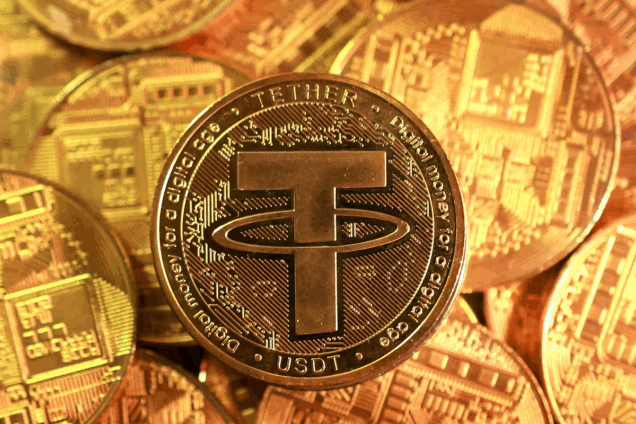
Stablecoins are promising faster and cheaper ways to move money in poorer countries, but as 99% of them, including the dominant Tether and USDC, are pegged to the dollar, they also raise worries about economic dollarisation and capital flight.
The survey, titled the Stablecoin Utility Report and conducted by YouGov with crypto firms BVNK, Coinbase, and Artemis, collected responses from more than 4,650 individuals in 15 countries who either hold or plan to hold stablecoins or cryptocurrencies.
The use of the coins today is largely for moving money between cryptocurrency markets. Nearly nine-tenths of stablecoin transactions relate to crypto trading, while just 6% are for payment of goods or services, BCG estimated in a report last year.
PREFERENCE FOR STABLECOIN PAYMENTS
The report, which also found growing demand for stablecoins in other emerging countries such as India, showed over half of those surveyed had increased stablecoin holdings in the last year, with developing economies seeing the strongest trends.
Almost 80% of Nigerian and South African respondents already held stablecoins, the figures showed, with over 75% of those also intending to increase their holdings further in the coming year.
Among non-owners, the intent to start holding stablecoins was roughly twice as high in low and middle-income economies than in high-income ones, with 95% of Nigerian respondents saying they would prefer to receive payments in stablecoins than in the Naira.
"People are already getting paid and spending stablecoins, especially where traditional payments are slow, expensive, or unreliable," said Chris Harmse, co-founder of BVNK.
But they are also "asking for greater integration into their existing financial tools," he added.

THREAT TO MONETARY POLICY
Globally, the stablecoin market is valued at more than $310 billion, dominated by U.S.-pegged tokens such as Tether ($185 billion) and USDC ($75 billion). The market is expected to expand further following U.S. regulatory moves, such as the GENIUS Act.
However, central bankers in emerging economies remain cautious. They fear that stablecoins could drain domestic bank deposits, undermine monetary policy, and facilitate capital flight.
South African Reserve Bank Governor Lesetja Kganyago pointed out a potential benefit, noting remittance fees as high as $30 to send $100 to neighbouring Mozambique, a gap stablecoins could help address.
The survey also highlighted limited acceptance of stablecoins in retail settings and online as a barrier to broader adoption for everyday purchases and subscriptions.
Latest Stories
-
Keep the money in Ghana – Gov’t enforces local cargo insurance
1 hour -
US Army veteran charged with leaking classified information to journalist
2 hours -
Dr. Dre joins Forbes billionaires list as second-richest hip-hop artist with $1 billion fortune
2 hours -
Trump administration cannot nix legal status of 5,000 Ethiopians, US judge rules
2 hours -
Libya announces new oil and gas discoveries with three major energy companies
2 hours -
Oil rises as investors remain wary US-Iran ceasefire will open supply flow
2 hours -
Police arrest suspect over church threat video
4 hours -
Eight appear in court as police intensify crackdown on illicit drugs in Tamale
4 hours -
Motorist remanded in custody for hitting four-year-old girl
5 hours -
Mobile money vendor robbed at Ziope
5 hours -
Benin’s Finance Minister Wadagni seeks his own mandate in election
5 hours -
GNFS retrieves body of unidentified man from Asylum Down drain
5 hours -
CAF’s Motsepe to visit both Senegal and Morocco amid AFCON fallout
5 hours -
Edmond Boateng takes up secretary role at Honorary Consular Corps of Ghana
5 hours -
Armed men kill 20 and abduct others in northwestern Nigeria villages
5 hours