

Audio By Carbonatix
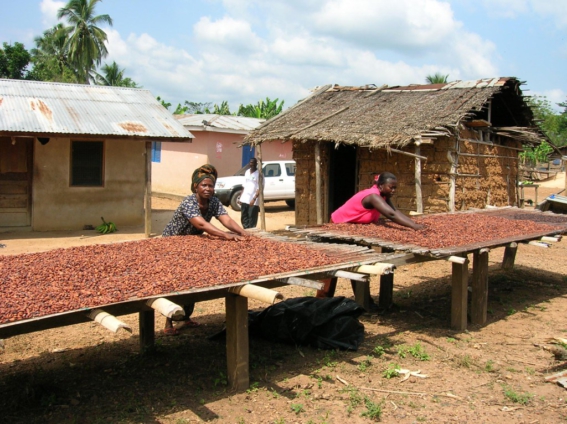
Ghana, along with its neighboring cocoa powerhouses, has been grappling with an outbreak of black pod disease—a dreaded menace that causes cocoa pods to blacken and rot.
This has led to a rise in cocoa prices to a 13-year high, leaving farmers and experts grappling with the grim reality of a diminished harvest and compromised bean quality.
The disease has the potential to severely impact both the quality and quantity of cocoa beans produced. Fuad Mohammed Abubakar, the head of Ghana Cocoa Marketing Co., speaking to Bloomberg warned that the disease can prove catastrophic for the cocoa supply.
The leading cocoa-producing countries including Ivory Coast, Ghana and Nigeria, have witnessed a decline in cocoa shipments.

According to reports, Ivory Coast farmers have exported approximately 2.24 million tons of cocoa in the current season, slightly less than the 2.29 million tons recorded the previous year. The situation is causing ripples across the global cocoa market, with concerns about a potential shortage in supply and subsequent price hikes.
Reflecting the challenges faced by the cocoa industry in Ghana and West Africa, cocoa futures in London have soared by over 20% this year. Most-active futures reached £2,544 a ton, a figure not seen since mid-2010. In New York, cocoa futures also climbed 1.7% to $3,412, highlighting the global market's growing concern over the supply situation.
The situation is said to be mainly caused by heavy rainfall across West Africa, which has disrupted the harvest and exacerbated the spread of the black pod disease.
This weather phenomenon, characterized by hot and dry conditions, poses a significant risk to cocoa production.
This worrying trend is fueling fears that the anticipated smaller harvest may not be sufficient to make up for the shortfall experienced during the main crop harvest.
Ghana, alongside other West African nations, relies heavily on the two annual cocoa harvests to sustain its economy and meet global cocoa demands.
Sola Ogunsola, a Nigerian farmer, laments the impact on coastal cocoa farms, where many developing pods have been lost to the disease.
In addition to damaging the crops, the torrential rain has made roads impassable, hindering the transportation of chemicals for plantation treatment and cocoa delivery to ports.
Latest Stories
-
Ghana urges travellers to prepare for new EU border system roll-out
32 seconds -
Mahama enforces fuel coupon ban for ministers as cabinet moves to slash fuel taxes
5 minutes -
Task force probes strange fish deaths in Tema
8 minutes -
Neglected traffic lights turn Awoshie–Anyaa highway into deadly hotspot
29 minutes -
EOCO declares Dr Gabriel Tanko Kwamigah-Atokple a fugitive over alleged gold fraud
41 minutes -
GSE records GH¢1.09bn trade in equity market; 10 stocks register gains
56 minutes -
Fuel prices: Ghana places 15th in Africa
1 hour -
Africa must look inward: Reframing resilience in a shifting global economy
1 hour -
7 dead, 2 missing after boat capsizes on Volta Lake
1 hour -
Miss Diaspora Ghana 2026 launched to deepen diaspora ties and drive development
2 hours -
US issues travel warnings for Nigeria and São Tomé and Príncipe as security risks mount
2 hours -
Ivan Toney questions refereeing in Saudi Pro League title race after Al-Ahli draw
2 hours -
Angola appoint Aliou Cissé as new head coach
2 hours -
Virtual Security Africa showcases digital security vision at Kwahu Business Forum
2 hours -
EBID strengthens regional integration role amid global economic uncertainty
3 hours