

Audio By Carbonatix
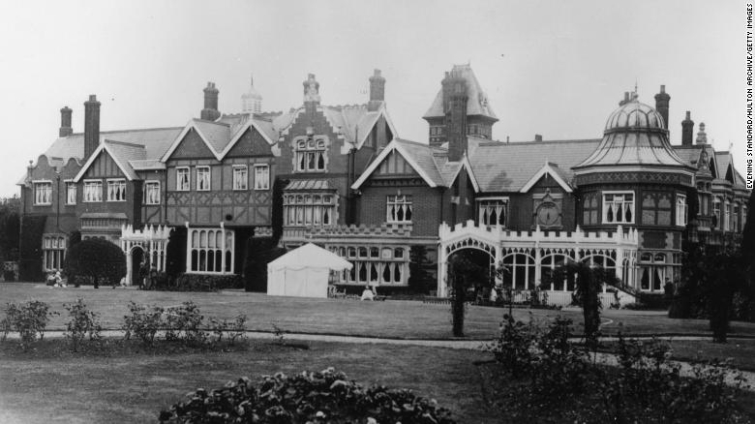
The contribution of famed codebreaking facility Bletchley Park to the Allied victory in World War II has been overstated, according to the author of an official history of British intelligence agency GCHQ.
Codebreakers at the GCHQ facility deciphered Nazi Germany's communications and were credited with turning the tide of the war, but John Ferris, whose book "Beyond the Enigma" was published Tuesday, told CNN that the British public had created a myth around the facility that overstated its influence.
"I'm second to none in admiring Bletchley and the way it operates, but the key thing is intelligence never wins a war on its own," said Ferris. "It can't, you have to have force."
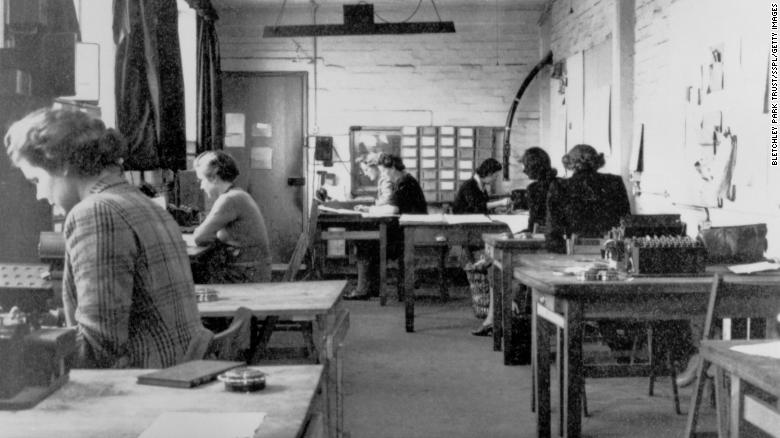
Ferris believes that a myth has been built around the codebreaking operation at Bletchley Park."For British people, 1940 has taken on greater and greater significance as time goes by," he said. "They see it almost as the moment when modern Britain was created."
Bletchley became part of this founding myth with the release of details about the operation, which seemed to suggest it was the reason Britain won the war, added Ferris.
The activities at Bletchley Park remained a secret for several years after the conflict.
Some historians have argued that the success in cracking the Enigma codes shaved two years off the war, but Ferris believes it more likely made victory easier, and quicker by several months.
"To say it did anything more than that I think is just unrealistic," he said.
GCHQ is the largest UK intelligence agency today and Ferris was given access to archives during his research, according to a press release announcing the publication of the book.
Ferris told CNN that before 1914 Britain didn't have a signals intelligence agency, but a raft of different organizations proved their worth in the field during World War I. Signals intelligence involves producing intelligence from intercepted communications.
"In the First World War British signals intelligence probably is close to being as influential as it was in the Second World War," he said.
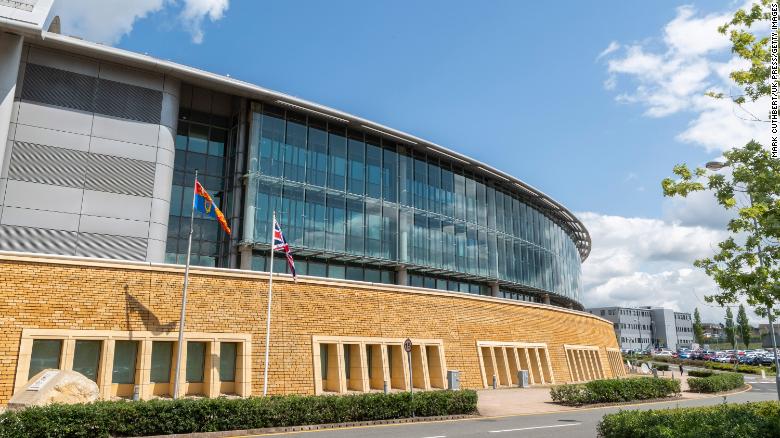
The organization's contribution has continued to grow, said Ferris, who called GCHQ a "very, very valuable tool for British power."Today it monitors cyber threats against the UK, and it's in the top five best intelligence agencies of its kind in the world, said Ferris."
It's an extremely able and effective organization," he said.
As conventional military forces have decreased in size, the role of technology has increased, and with it the importance of agencies like GCHQ, he added.
Latest Stories
-
Sampa chieftaincy dispute: Sammordua dragged to court for contempt
4 minutes -
Okyere Baafi calls for suspension of Publican AI system over ‘serious flaws’
6 minutes -
OSP uncovers “secret collusion” between fuel companies, NPA, GRA and National Security
12 minutes -
VIP Transport defends fare increase over rising fuel and maintenance costs
28 minutes -
LGBTQ+ issues not a priority for Ghanaians – Felix Kwakye Ofosu
42 minutes -
Kwakye Ofosu rejects NPP Minority’s call for apology over anti-LGBTQ bill
50 minutes -
Music giant Universal gets $64bn takeover offer
1 hour -
NPP criticism of anti-LGBTQ Bill ‘nothing more than political posturing’ — Kwakye Ofosu
1 hour -
Joy FM was birthed over a bowl of fufu’ – Tommy Annan-Forson shares interesting story
1 hour -
World Athletics to introduce standalone World Marathon Championships from 2030
1 hour -
Africa’s voice in global journalism grows as funding, AI and misinformation shape newsrooms
1 hour -
First Atlantic Bank holds Annual General Meeting, reports strong growth and bold outlook for 2026
1 hour -
Ghanaian-founded fintech WeWire secures Canadian PSP license to bridge African, global payments
1 hour -
Uganda confirms 2027 AFCON dates
2 hours -
40 convicted in Northern Region crime crackdown
2 hours