

Audio By Carbonatix
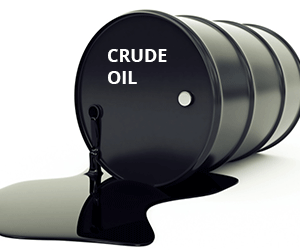
The price of Brent crude is forecast to average $92 per barrel in 2023, down from a projected $100 per barrel in 2022, the World Bank’s October 2022 Commodity Markets Outlook has revealed.
It will however ease to $80 per barrel in 2024.
According to the report, oil consumption is expected to continue to increase by just under 2% in 2023 as China gradually reopens, and “as switching from natural gas to oil continues, especially in electricity generation”.
Again, a sharper-than-expected slowdown in global growth and continued Covid-19 restrictions in China are the key downside risks to oil consumption.
During previous global recessions oil demand has declined by about 2% in the first year and 1% in the second, although with wide variation.
The report further said oil markets are expected to tighten over the next few months as additional sanctions restrict exports from Russia, releases of oil from strategic reserves in several countries come to an end, and as OPEC+ members cut production.
This will more than offset the effect of rising production in a few countries, primarily the United States. The outlook is subject to numerous risks, especially on the supply side.
First, production in the United States could disappoint as producers prioritise returning cash to shareholders over increasing output, and higher input costs constrain new investment.
Second, the outlook for Russia’s production depends on the impact of trade measures. Russia’s exports next year could be as much as 2.0 million barrels per day lower, as the EU embargo on Russian oil and oil products (as well as restrictions on access to EU insurance and shipping services) comes into effect.
The proposed G7 oil price cap could also affect the flow of oil from Russia, but it is an untested mechanism and would need the participation of large emerging market and developing economies to achieve its objectives.
Third, releases of crude oil from strategic reserves, including the U.S. are due to end this year; while these could be extended further, it would risk leaving strategic inventories at very low levels.
Latest Stories
-
This Saturday on Prime Insight: Fuel levy suspension, LGBTQ+ legislation, and Damang Mine controversy
2 hours -
Struggling Real suffer title blow with Girona draw
3 hours -
Mahama nominates Pamela Graham as Auditor-General
3 hours -
The five big sticking points in US-Iran talks
4 hours -
Melania Trump’s speech propels Epstein crisis back to forefront
5 hours -
What everyone should know about C-sections
5 hours -
Gunmen kill at least four people at Afghanistan picnic spot
5 hours -
Health Ministry engages Ga Mantse ahead of Free Primary Healthcare launch
6 hours -
We can tackle multiple priorities – Sam George defends Anti-LGBTQ Bill push
6 hours -
Statement: Ghana Chamber of Mines’ Response to Claims in Joe Jackson’s “Ananse Stories about the Economy of Ghana”
6 hours -
GES opens 2026 teacher recruitment for licensed B.Ed graduates
6 hours -
Ghana must value skilled trades, build resilient learners — Ibn Chambas
6 hours -
Ghana must rethink education around relevance, resilience and responsibility — Ibn Chambas
6 hours -
Prince Harry faces defamation lawsuit from charity he co-founded
6 hours -
South Korea deploys thermal cameras to track escaped zoo wolf
7 hours