

Audio By Carbonatix
1. In the 1970s and 1980s, it became clear that commodities like oil, while a boon for nation's economy, can quickly become a headache.
2. The price volatility, exchange rate shocks (including "Dutch Disease"), and various problems associated with overdependency on oil led to "split reporting" in national budgeting and fiscal planning.
3. When Ghana started producing oil in 2010, it followed in the footsteps of countries like Nigeria in splitting macroeconomic forecasts and measures into "oil" and "non-oil".
4. Thus, the Finance Ministry reports "oil GDP" and "non-oil GDP", "oil revenue" and "non-oil revenue" etc. etc.
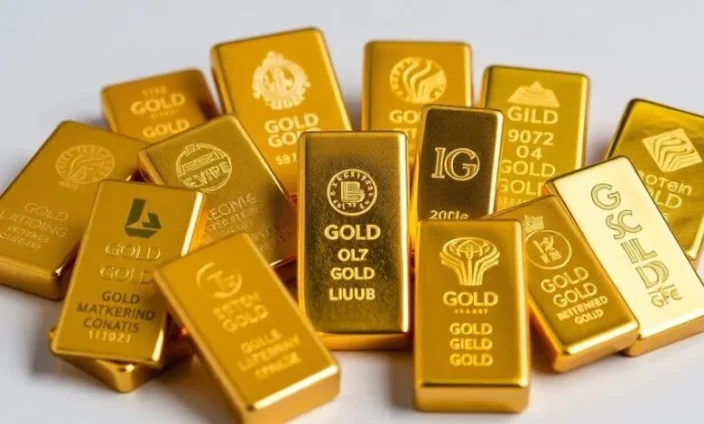
5. I argue that because of the rapid rise and fall of Ghana's oil industry, this split reporting has become a waste of time. If we must expose commodity risk through the budgeting and fiscal planning process at all, then we should use gold.
6. Yes, this would imply some reclassification of the national accounts, but it would be more honest.
7. Perhaps, we should even go forward and start revising some of the structures we set up around the "petroleum holding funds", "annual budget funding amount", and related mechanisms and pivot to gold, including the setup of a special wing of one of the sovereign wealth funds (maybe GIIF) to take in gold windfalls whilst the price rally lasts.
8. Exhibit one of my evidence stack for these positions is the massive 56% decline in oil revenues in H1 2025. Oil production has been falling by ~7.5% per year since 2019.
9. Oil contributed less than $150m to corporate tax take and just about $370m to overall revenue of about $8bn in H1 2025 (i.e. ~4.5%). What kind of fiscal anchor is that?
10. In 2023, Ghana got just $29m from the oil wealth it says it has been investing since 2010 ("Heritage Fund"). In 2024, it went up marginally to $37m. More pitiable were the returns from the Stabilisation Fund at just $8.7m in 2024.
11. I can understand if Nigeria wants to use oil as the fiscal anchor even though it contributes just about 5% to overall GDP. Oil can provide as much as 65% to government revenues and over 85% of exports.
12. In Ghana, the situation is starkly different. Gold is on course to hit 70% of exports. Oil, by contrast, dropped below 12% in Q1 2025.
13. You may say that oil is in a bear phase and gold is in a bull run, but the data shows that the shift is structural. Gold has been increasing as a share of everything since 2019 and oil has been decreasing markedly.
14. Isn't it time to start recognising the structural exposure to gold risks, in contrast with the declining importance of oil and gas, and shift the fiscal anchor?
Latest Stories
-
Imperial College President calls for global science partnerships with Africa
4 minutes -
NPP leaders converge at party headquarters ahead of NEC meeting on polling station elections
15 minutes -
Fuel prices may rise in Ghana despite global drops – Duncan Amoah
18 minutes -
‘No one is above the law’- Volta Chiefs condemn EOCO over handling of Council of State member case
19 minutes -
AMA creates alternative pedestrian routes at Kaneshie after footbridge closure
23 minutes -
Ghanaians were misled- NPP accuses NDC of politicising Anti-LGBTQ bill
23 minutes -
Photos: Mahama receives full state welcome in Paris ahead of talks with French President Macron
45 minutes -
Deputy Health Minister endorses Women in Medicine Fellowship
45 minutes -
Duncan Amoah pushes for Consumer Protection Bill amid VIP fare hike
58 minutes -
LMWG backs Damang lease award to E&P, demands transparency and results
1 hour -
Volta Chiefs condemns EOCO over alleged disregard for court ruling in Council of State member case
1 hour -
Matthew Perry’s stepmother says ‘Ketamine Queen’ should get maximum sentence
1 hour -
World Vision Ghana pays courtesy call on Gender Minister
1 hour -
Northern Regional Police Command intensifies anti-drug operations, arrests 217 suspects
1 hour -
The architect of a healthier Ghana: Mahama’s vision and legacy in primary healthcare
1 hour