

Audio By Carbonatix
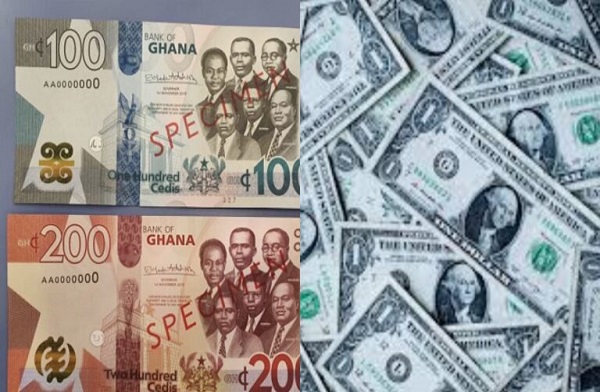
The Institute for Economic Affairs (IEA) has urged the Bank of Ghana to progressively build its reserves to at least six months of import cover to strengthen the exchange rate.
According to the think tank, that’s the major step in avoiding the perennial depreciation of the cedi.
It pointed out that the additional reserves could be derived from natural resources through increased ownership and value addition.
In an analysis ahead of the December elections, the IEA said the exchange rate management should be improved by implementing measures to address the perennial foreign exchange supply-demand imbalance through some of the structural reforms.
This includes better management of the exchange rate through prudent fiscal and monetary policies.
Infrastructure remains inadequate, poor
On infrastructure, it said Ghana’s infrastructure remains inadequate and poor, belying its status as a middle-income country.
Urban roads, highways and rural roads are all poor, while railways for transportation of people and goods are virtually nonexistent. Port facilities are also inadequate and below international standards.
The IEA expressed concern that the government budgets consistently make inadequate allocations to infrastructure, with disproportionate shares going to non-productive recurrent expenditure.
Again, inadequate and poor infrastructure has increased the cost of doing business and economic inefficiencies and has been a drag on economic growth.
On recommendation, it stated that the budgetary allocations for infrastructure should be substantially increased, while at the same time reducing recurrent expenditure.
At the same time, the private sector should be involved in infrastructure financing through Public-Private Partnerships (PPP) initiatives to reduce the burden on the budget, whilst tThe Ghana Infrastructure Investment Fund (GIIF) should be regularly funded to ensure dedicated funding for infrastructure.
Also, an additional Fiscal Rule should be introduced in the Fiscal Responsibility Act to channel all government loans to capital investment to ensure that enough returns are generated to facilitate future repayments.
Latest Stories
-
The Ghanaian prophet and the mysterious death of his scottish wife Charmain Speirs
19 minutes -
Nearly 400 sentenced in Nigeria for links to militant Islamists
40 minutes -
Ghana’s recovery supported by gold strength despite global oil price pressures – Standard Bank Research
47 minutes -
Kwaku Azar writes: A-G vs OSP
1 hour -
Mfantsipim–Adisadel rivalry built excellence, not division – Sam Jonah
2 hours -
Vice President launches Mfantsipim’s 150 years of shaping Ghana’s greatest mind
2 hours -
I assure Otumfuo, Mahama will join him to commission KNUST Teaching Hospital by end of this year – Haruna Iddrisu
3 hours -
Barcelona dominate derby to extend La Liga lead
3 hours -
Gov’t to roll out free special education for persons with disabilities from July 1 – Education Minister
3 hours -
Importers and Exporters Association declares full support for Publican AI port system
3 hours -
“We used it to test our officiating officials’ readiness” – Bawah Fuseini after CAA Athletics event
4 hours -
Volleyball emerges as Ghana’s fastest rising sport
4 hours -
National Sports Fund needs strong leadership from the top – Administrator David Wuaku
4 hours -
JoySports Exclusive: Steve McLaren in talks with GFA after expressing interest in Black Stars job
4 hours -
Fire guts auto parts warehouse at Bubuashie, one fire officer injured
4 hours