

Audio By Carbonatix
The Christian Health Association of Ghana (CHAG) says it continues to play a disproportionately large role in the country's health system, delivering up to 40 per cent of healthcare services nationwide despite owning only about seven per cent of Ghana's health infrastructure.
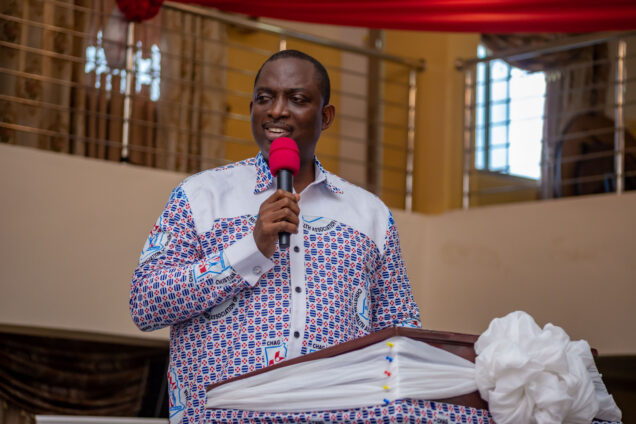
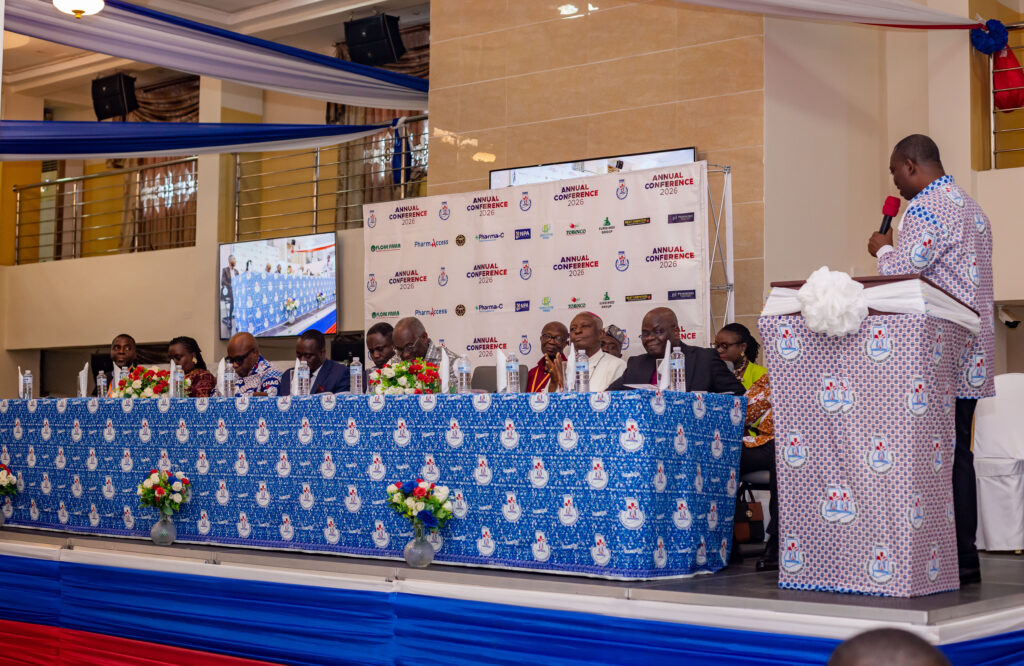
Speaking at the opening of the 2026 CHAG Annual Conference in Koforidua, Executive Director of CHAG, Dr Peter Kwame Yeboah, said the association's contribution to national healthcare extends far beyond the number of facilities it operates.
"Although CHAG owns barely seven per cent of Ghana's health infrastructure, our network contributes between 30 and 40 per cent of the nation's healthcare services," he said.
According to Dr Yeboah, CHAG's network of 375 health facilities across all 16 regions provides healthcare to between eight and ten million people every year.
"Every year, between eight and ten million Ghanaians receive compassionate, holistic and quality healthcare through our network of 375 health facilities located across all 16 regions of Ghana. These facilities continue to provide comprehensive services ranging from preventive, curative, promotive, palliative and rehabilitative healthcare to specialist and referral services, always guided by our commitment to excellence, compassion and dignity," he stated.
Beyond service delivery, Dr. Yeboah said CHAG has become an indispensable partner in Ghana's health sector because of its longstanding commitment to rural and underserved communities.
"Our contribution extends well beyond numbers. CHAG provides strategic value and vital leverage for Ghana's health security," he said.
He noted that several CHAG facilities located in border communities provide healthcare not only to Ghanaians but also to patients from neighbouring countries, helping strengthen regional health security.
Among them are the Presbyterian Hospital in Bawku, which serves patients from Ghana, Togo and Burkina Faso; St. Theresa's Catholic Hospital in Nandom, which serves communities in Ghana, Côte d'Ivoire and Burkina Faso; Presbyterian Hospital in Dormaa, which provides healthcare to patients from both Ghana and Côte d'Ivoire; and St. Martin de Porres Catholic Hospital at Eikwe, which serves communities in Ghana and Côte d'Ivoire.
"We provide critical health services in border communities such as Bawku, Nandom, Dormaa and Eikwe, thereby strengthening regional health security across neighbouring countries," Dr. Yeboah said.
He added that CHAG has deliberately established many of its facilities in remote and deprived communities where access to healthcare remains limited.
"For decades, we have deliberately chosen to establish our services in remote, underserved and often forgotten communities where, in many instances, CHAG facilities remain the only available source of healthcare and referral services," he said.
According to Dr Yeboah, CHAG's deep roots in these communities have enabled the association to build lasting public confidence.
"Most importantly, we are deeply rooted within the communities we serve. Through decades of faithful presence, we have earned what may be our greatest institutional asset - the trust of the people," he stated.
Beyond healthcare delivery, Dr Yeboah highlighted CHAG's contribution to the development of Ghana's health workforce.
Through its 22 accredited health training institutions, the association produces about 3,400 professionally qualified and ethically grounded health professionals each year, including nurses, midwives, physiotherapists, orthotics and prosthetics technicians, and other middle-level health workers.
He described CHAG as the only implementing partner of the Ministry of Health that simultaneously delivers healthcare services while training the country's future health workforce.
"First, we are a major healthcare service provider. Second, we are a key producer of the country's health workforce," he said.

Dr Yeboah reaffirmed CHAG's commitment to supporting the government's Free Primary Health Care initiative but stressed that successful implementation would require strong partnerships and sustained investment.
"The promise of Free Primary Health Care is unquestionable. Its aspirations are noble. Its vision is compelling. However, every great policy ultimately succeeds or fails at the point of implementation," he said.
The 2026 CHAG Annual Conference is being held under the theme, "Positioning CHAG to Deliver People-Centred Free Primary Health Care at the Community Level," bringing together health professionals, policymakers, development partners and faith-based health institutions to discuss the future of primary healthcare delivery in Ghana.
Latest Stories
-
Ballon d’Or Power Rankings: Lamine Yamal leads race for Golden Ball ahead of Rodri and Kane
1 hour -
‘Nothing worked for us’ – Gideon Mensah takes responsibility for Gambia defeat
2 hours -
2026 Women’s Super Cup: FC Savannah beat Epiphany Warriors to win trophy for first time
3 hours -
AFCON 2027Q: ‘The last time Ghana won was eight games ago’ – Carlos Queiroz
3 hours -
AFCON 2027Q: Gambia defeat doesn’t make me a loser – Carlos Queiroz
4 hours -
2027 AFCONQ: Late goals seal 2-0 for Côte d’Ivoire against Somalia
4 hours -
AFCON 2027Q: My resignation won’t solve Ghana football issues – Queiroz
4 hours -
Morocco call off Ghana friendly after Black Stars’ AFCON setback
4 hours -
‘We have to say sorry’ – Queiroz apologises after Ghana’s humiliating defeat to Gambia
4 hours -
New Yorker identified as Yaw Boahene, 57, killed after bag was caught in subway train doors
4 hours -
Former American Idol contestant and pastor found guilty of murdering wife
4 hours -
Trump rules out joint US-China venture to develop AI
5 hours -
‘Beating Ghana did not surprise me’ – Gambia boss
5 hours -
OpenAI agents get rebrand – as ‘dots’ – while safety worries delay new model
5 hours -
US ban on Canadian alcohol and dairy takes effect as trade war drags on
5 hours