


Audio By Carbonatix
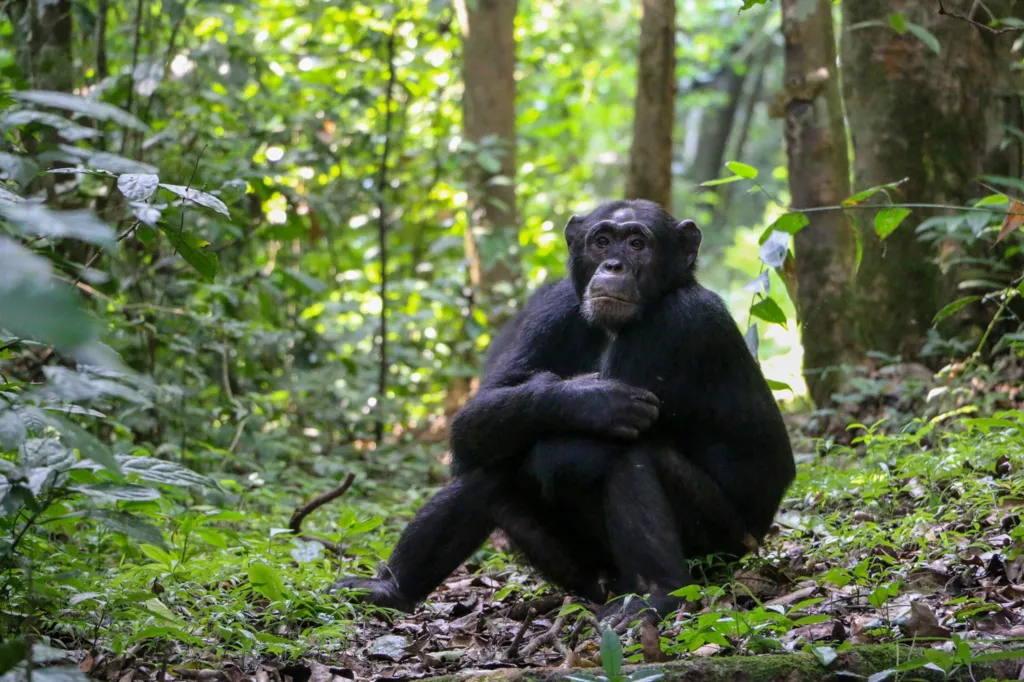
Wild chimpanzees eat plants that have pain-relieving and anti-bacterial properties to heal themselves, according to scientists.
They described their “detective work” in the forests of Uganda - observing animals that appeared injured or sick to work out whether they were self-medicating with plants.
When an injured animal sought out something specific from the forest to eat, the researchers collected samples of that plant and had it analysed. Most of the plants tested turned out to have antibacterial properties.
The scientists, who published their findings in the journal PLOS One, think the chimps could even help in the search for new medicines.
Elodie Freymann
“We can't test everything in these forests for their medicinal properties, lead researcher Dr Elodie Freymann, from the University of Oxford, said. “So why not test the plants that we have this information about - plants the chimps are seeking out?”
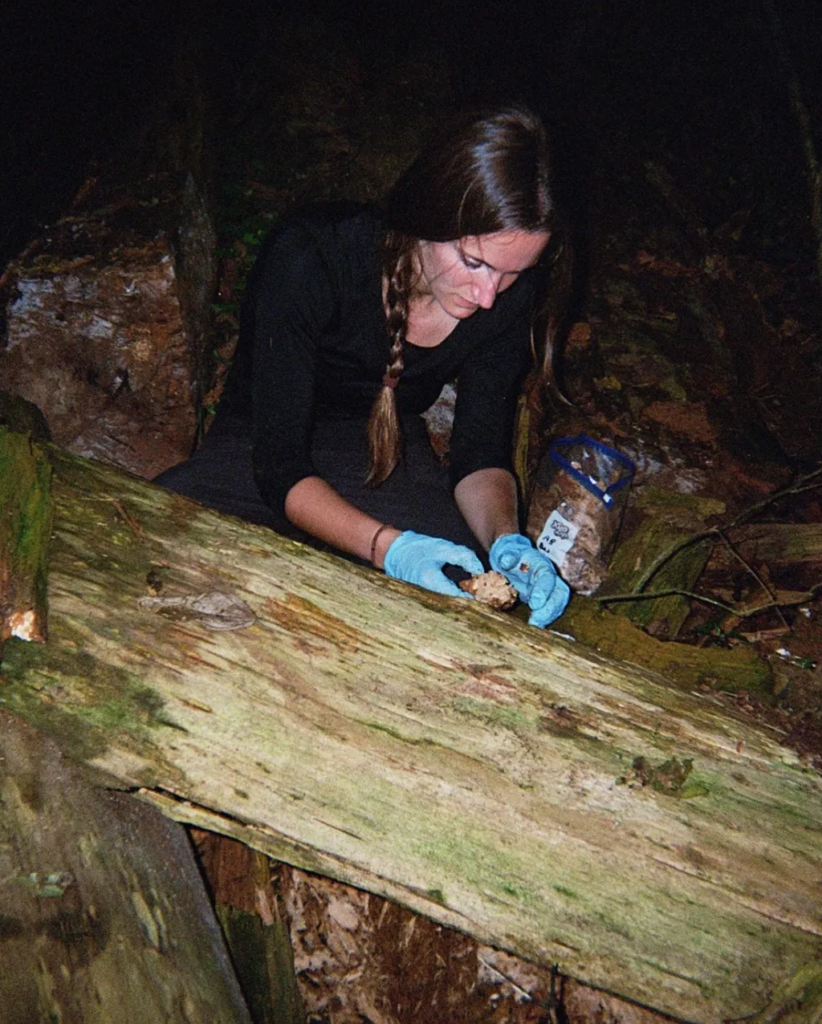
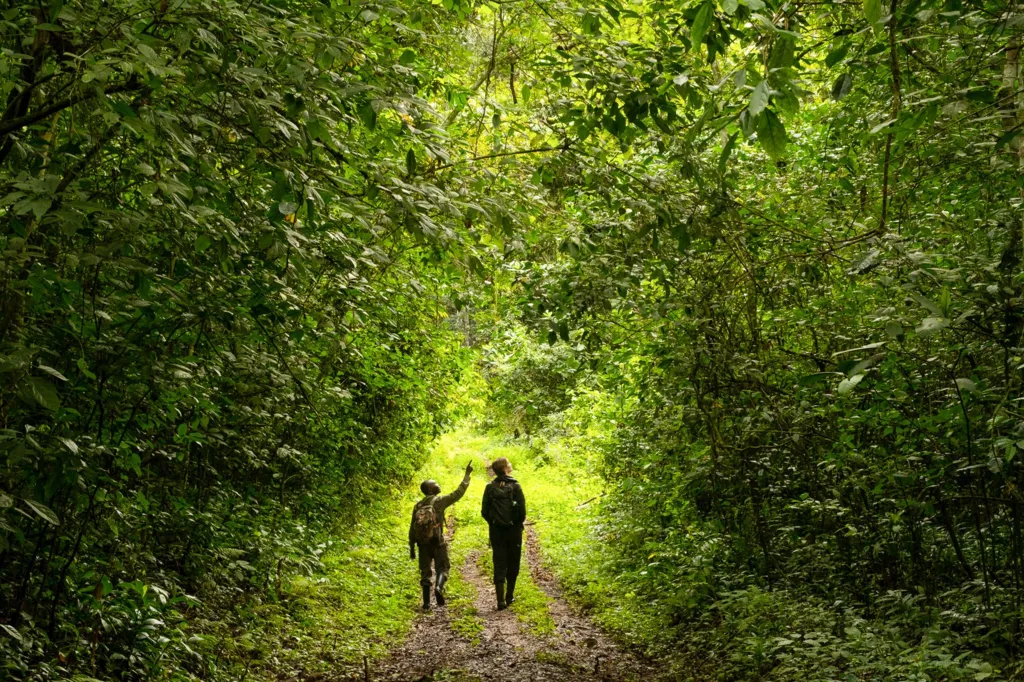
Over the past four years, Dr Freymann has spent months at a time following and carefully observing two communities of wild chimpanzees in Budongo Central Forest Reserve.
As well as looking for signs of pain - an animal limping or holding its body in an unusual way - she and her colleagues collected samples of droppings and urine to check for illness and infection.
They paid particular attention when an injured or ill chimpanzee sought out something they do not normally eat - such as tree bark or fruit skin.
“We were looking for these behavioural clues that the plants might be medicinal,” Dr Freymann explained.
She described one particular chimp - a male - that had a badly wounded hand.
Austen Deery
“He wasn't using the hand to walk, he was limping,” she recalled. While the rest of this animal’s group were sitting around eating, the injured chimp limped away looking for ferns. “He was the only chimp to seek out and eat these ferns.”
The researchers collected and analysed the fern - a plant called Christella parasitica, which turned out to have potent anti-inflammatory properties.
In total, the researchers collected 17 samples from 13 different plant species and sent them to be tested by Dr Fabien Schultz, at the Neubrandenburg University of Applied Sciences in Germany.
That revealed that almost 90% of the extracts inhibited bacterial growth, and a third had natural anti-inflammatory properties, meaning they could reduce pain and promote healing.
All the injured and ill chimps reported in this study fully recovered, Dr Freymann was happy to report. “The one who ate ferns was using his hand again within the next few days,” she explained.
Austen Deery
“Of course, we can't 100% prove that any of these cases were a direct result of eating these resources,” she told BBC News.
“But it highlights the medicinal knowledge that can be gained from observing other species in the wild and underscores the urgent need to preserve these ‘forest pharmacies’ for future generations.”
Latest Stories
-
Fuel prices: Ghana places 15th in Africa
1 minute -
Africa must look inward: Reframing resilience in a shifting global econy
18 minutes -
7 dead, 2 missing after boat capsizes on Volta Lake
28 minutes -
Miss Diaspora Ghana 2026 launched to deepen diaspora ties and drive development
35 minutes -
US warns citizens to reconsider Nigeria travel on safety grounds
60 minutes -
Ivan Toney questions refereeing in Saudi Pro League title race after Al-Ahli draw
1 hour -
Angola appoint Aliou Cissé as new head coach
1 hour -
Virtual Security Africa showcases digital security vision at Kwahu Business Forum
1 hour -
EBID strengthens regional integration role amid global economic uncertainty
2 hours -
Two assault rifles, ammunition retrieved in Police probe of Tamale gang attack
2 hours -
EBID records strong financial growth with $722m disbursements in 2025 – President, Dr George Donkor
2 hours -
EBID to mobilise $2.69bn under new 2026–2030 growth strategy – Dr George Donkor
2 hours -
An open letter to telcos, regulators and security agencies on mobile money fraud in Ghana
2 hours -
Mobile Money Merchants are driving fraud
2 hours -
Alban Bagbin declines minority’s motion to investigate sale of gold reserves at BoG
2 hours