

Audio By Carbonatix
Resident Coordinator of the United Nations in Ghana, Charles Abani is urging countries worldwide to leverage their unique comparative advantages in addressing the global climate crisis.
This call comes as a movement of environmental activists and other actors from across Africa, which emerged at the COP27 Climate Conference, continues to push for the largest polluters, particularly wealthy Western nations, to pay reparations for damages and losses to the continent.
They are also advocating for global climate change policies that prioritize the needs of indigenous people.
However, industrialized nations have yet to agree on a framework to create and implement an aid package for climate mitigation in developing nations.
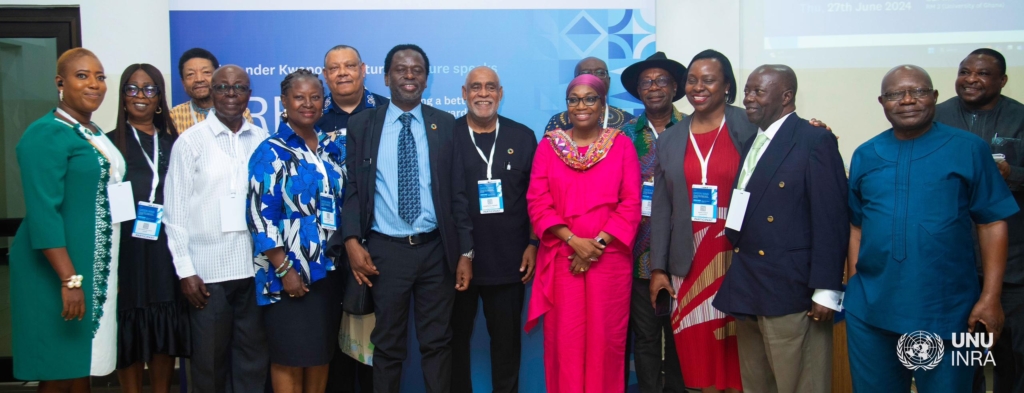
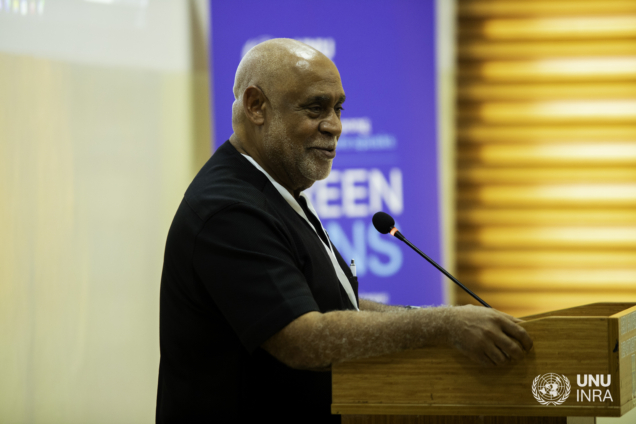
During a lecture at the University of Ghana's Cedi Hall on the theme "Fostering a Better Dialogue Towards Sustainable, Inclusive Natural Resource Governance," Mr Abani emphasized that all countries face the same challenge and must bring their unique comparative advantages to the table.
The event was organised by the United Nations University – Institute for Natural Resources in Africa (UNU-INRA).
He noted that developing countries, while having lower emissions, are rich in natural resources needed for green transitions. In contrast, developed countries have the technology and resources to facilitate the transition but are burdened with the costs associated with high carbon-dependent models.
Both developed and developing countries will have to bear the costs. Historical emitters must retrofit and transition more, while those with higher impacts need to adapt more as well as grow greener”. Mr. Abani noted.
The UN Chief in Ghana premised his argument on the emerging trend where Finance challenges which most countries are challenged with while urging the world to adopt an investment mindset.
According to him “We must adopt win-win approaches and a different mindset to achieve breakthrough transformation. Sustainable interdependence and equitable approaches are essential. Developed countries need to move away from narrow interests, pursue equity-based models, and address responsible production and consumption”.
He further explained that developing countries must take responsibility, ensure policy congruence and leverage indigenous knowledge and technology, including Artificial intelligence.
With the deployment of the right capacities, Charles Abani is hopeful that there’ll be Sustainable and Inclusive Natural Resource Governance.
Latest Stories
-
Asante Gold reports US$345million loss for 2025
49 minutes -
Gov’t making progress in clearing $1.7bn power debt – Mahama
2 hours -
Justice is the engine of growth – Chief Justice
2 hours -
Meet us halfway – Trade Minister tasks private sector with AfCFTA success
3 hours -
After more than 14 years at Atletico Madrid, what next for Simeone?
3 hours -
Conquering the World – Building on the foundations laid by Otto Addo
3 hours -
[Watch Live] Kwaw Kese, Kwami Eugene, Tinny, Keche and others thrill fans at Gomoa Easter Carnival
3 hours -
Gomoa Easter Carnival: Experts charge indigenes to own festival to ensure sustainability
5 hours -
Gomoa Easter Carnival: Edem Agbana and Joy Prime fans shower festival with huge endorsements
6 hours -
Gathering of Royals 2026: Empowering women, boosting tomato production
7 hours -
Gov’t to overhaul free zones into manufacturing hubs for local production – Trade Minister
7 hours -
Ghana losing $2.5bn yearly from raw exports – Trade Minister reveals
7 hours -
Mahama unveils plans for Kwahu Airport, Convention Centre
7 hours -
World’s oldest leader, Paul Biya to get a deputy for first time in 43-year rule
7 hours -
Search for missing US airman continues as Trump threatens ‘hell’ if Iran does not reach deal
7 hours