

Audio By Carbonatix
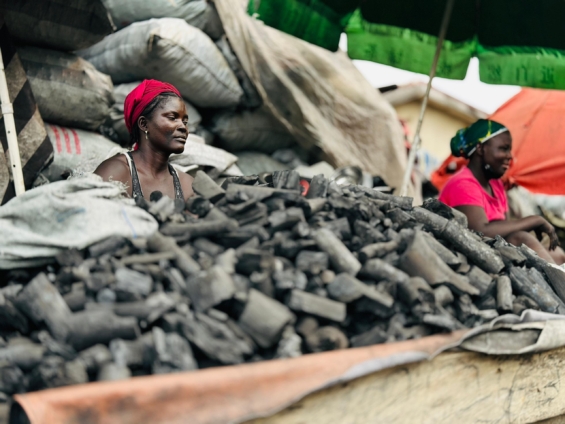
Charcoal remains one of the most widely used cooking fuels in Ghana, powering homes, street food businesses and small-scale enterprises across the country.
Affordable and accessible, it is often purchased in small daily quantities that reflect household income patterns. For many families, charcoal is not simply an energy source — it is woven into culture, commerce and survival.
It moves through a complete value chain. Producers harvest and burn wood into charcoal. Vendors transport and sell it in markets. Households depend on it to prepare daily meals.
The trade sustains local economies, particularly in farming communities where alternative income opportunities are limited.

In Koforidua, attachment to charcoal is not only economic, it is deeply cultural. Martha Amobea, a charcoal vendor, says she prefers charcoal to Liquefied Petroleum Gas (LPG) because it is what she has known all her life.
“I prefer charcoal. This is what I have known since childhood. It is what we have always used,” she said, describing it as a practice that has existed “since time immemorial.”
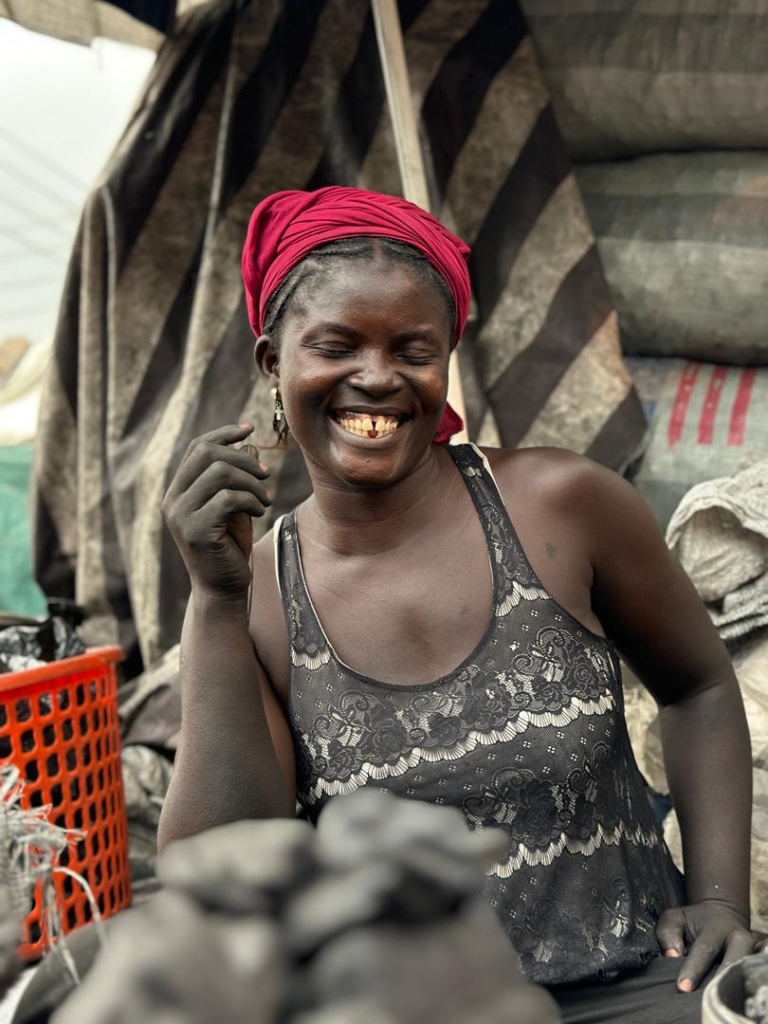
For her, charcoal represents familiarity and continuity. It is the fuel her mother cooked with and the one she now sells and uses daily. Switching to LPG, she suggests, is not merely a technical change; it feels like stepping away from a long-standing way of life.
Another vendor, Sarah Nyarko Larbi, says customer preference is also shaped by perceived value.
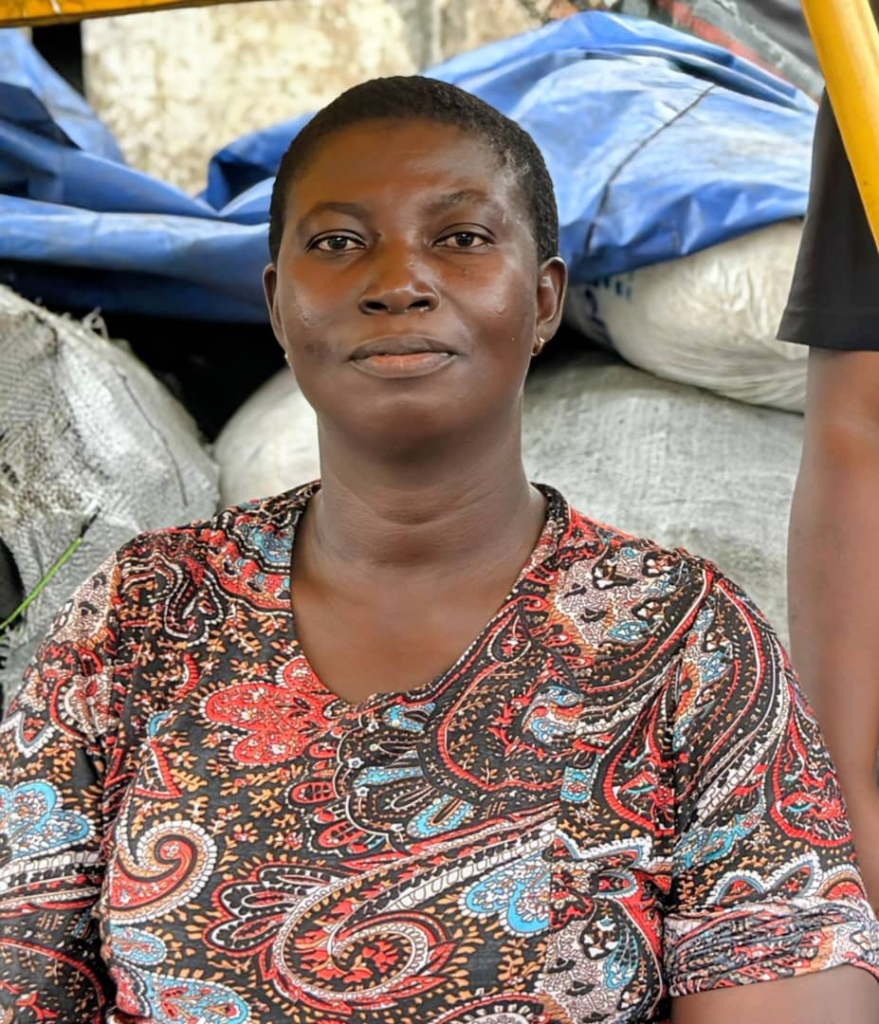
“When the charcoal is heavy like this, you get more value for your cooking,” she explained, noting that buyers often judge quality by weight and durability.
On the production side, Agya Kyei says the business feeds his family and supports others who depend on it. While acknowledging environmental concerns, he insists producers are not resistant to change.
“Whenever I cut down trees, I replant new ones,” he said. “I am open to learning new methods once I receive proper training.”
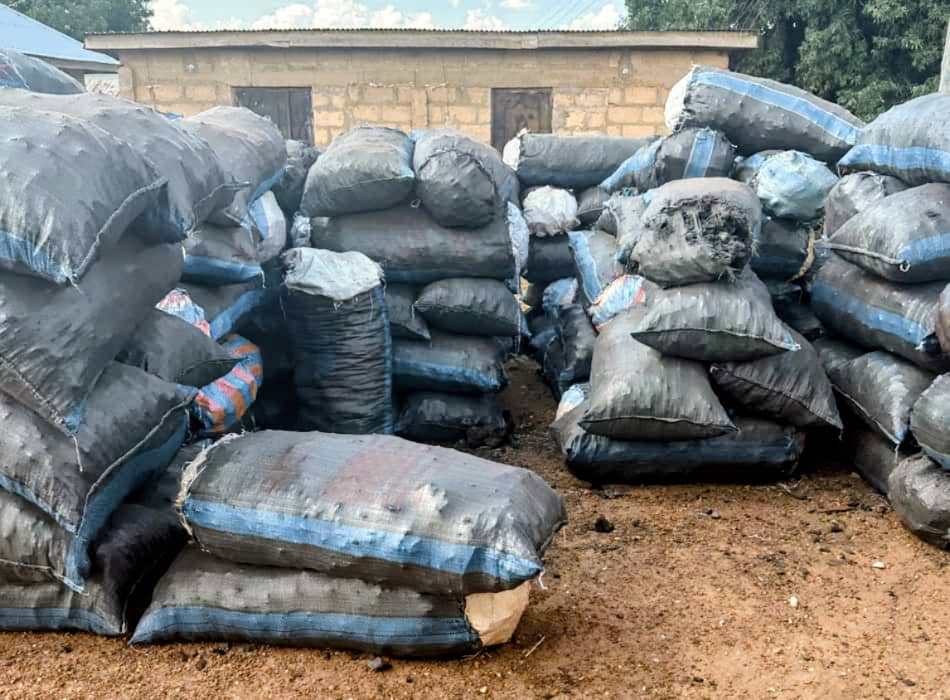
His response reflects a broader reality within the charcoal value chain — reluctance is often less about unwillingness and more about limited access to skills, finance and technical support.
Yet despite its economic and cultural importance, charcoal production and use carry a significant environmental and health costs.
Traditional earth kilns release thick smoke and greenhouse gases into the atmosphere. In households, coal pots burn for hours, exposing women and children — who spend longer periods near cooking spaces — to smoke linked to respiratory infections, chronic coughing and eye irritation.
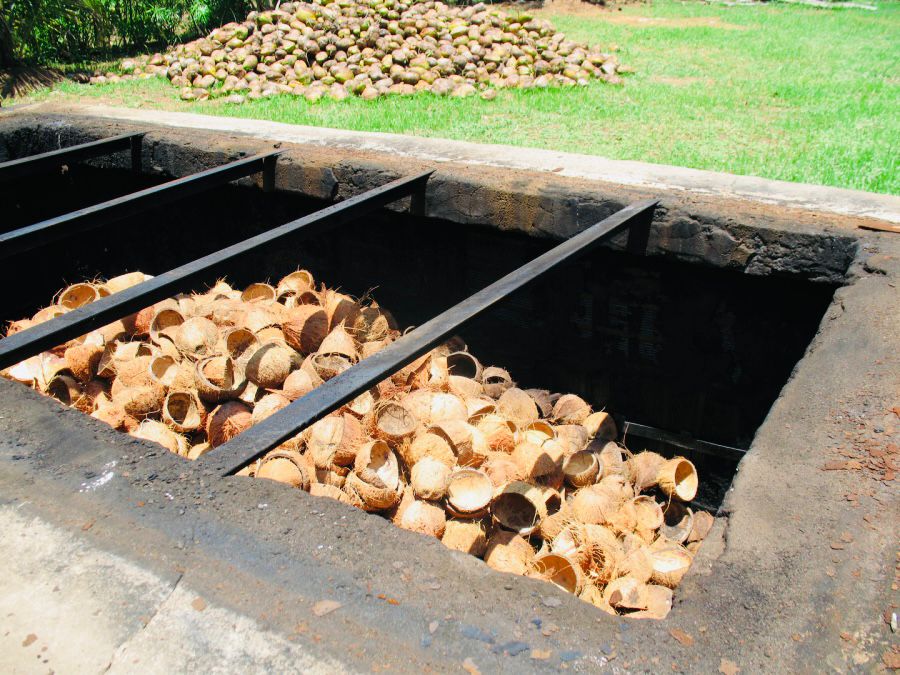
Tree cutting for charcoal also contributes to deforestation. As forest cover declines, rainfall patterns become unpredictable, soils degrade and drought conditions intensify. In a changing climate, these pressures deepen vulnerability in communities already reliant on natural resources for survival.
Energy experts argue that energy poverty is not only about access to modern fuels but also about affordability, culture and daily economic realities. Households that live on modest or irregular incomes often depend on charcoal because it allows them to purchase fuel in small quantities that match their financial capacity — even when cleaner alternatives exist.
Research by Adusah-Poku and Takeuchi (2019) highlights that energy poverty in Ghana must be understood beyond fuel access. Their work shows that energy decisions are shaped by affordability constraints, cultural preferences and survival strategies. They emphasize that households make rational choices based on available options within their economic reality.
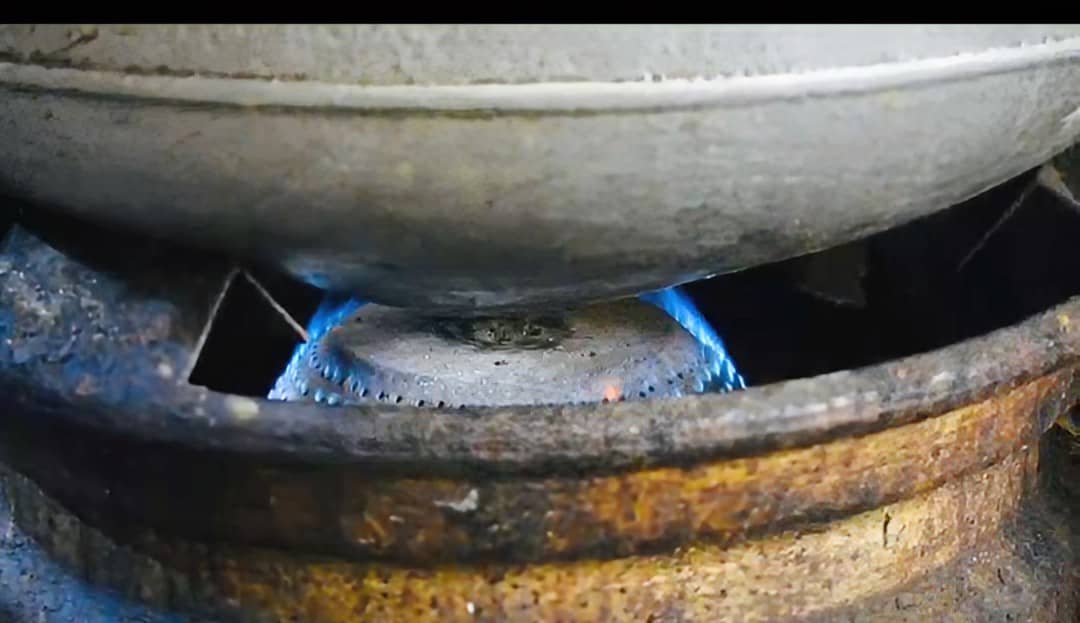
Some households and businesses are gradually transitioning to LPG, drawn by its efficiency and reduced smoke. J-MAay, a food vendor who has made the switch, describes the transition as transformative.
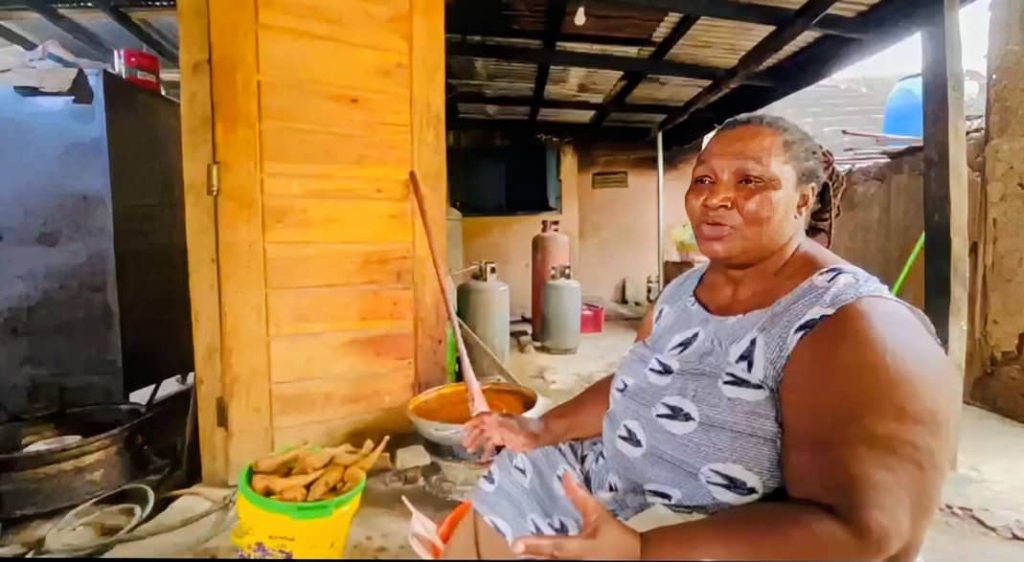
“Using charcoal for cooking is a waste of time, energy and money. LPG is safer, cleaner, more cost-effective and more convenient. I would recommend LPG any day,” she said.
For her, the change reduced smoke exposure and improved cooking speed. But for many others, the shift is constrained by high upfront costs, refill expenses and supply challenges. Access remains uneven, particularly outside major urban centres.
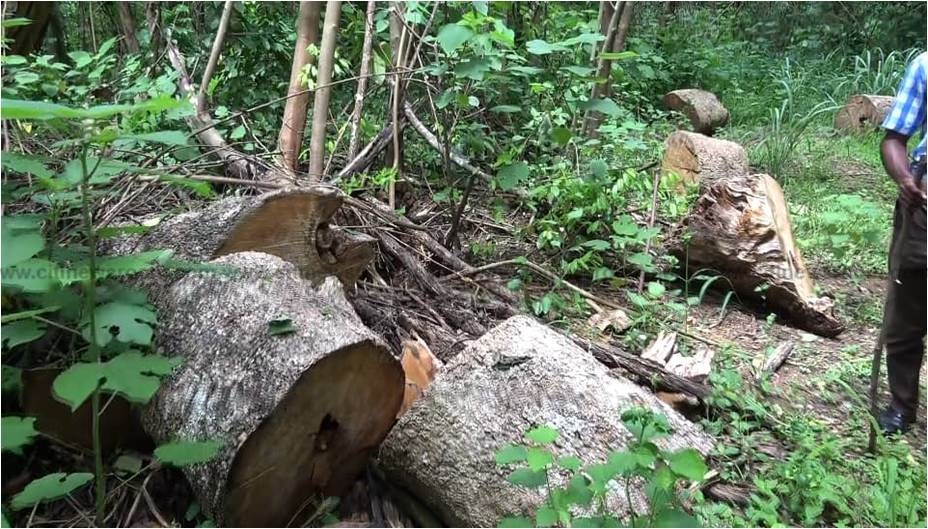
Rather than calling for the elimination of charcoal, experts suggest improving how it is produced and managed. In Ghana’s current energy landscape, a sudden phase-out would disrupt livelihoods and strain households that lack immediate alternatives. A more realistic approach may be to make charcoal cleaner and more efficient.
One example is the Adam Retort kiln, an improved system designed to increase efficiency while reducing environmental harm.

Unlike traditional earth pits, the Adam Retort kiln uses less wood, produces more charcoal from the same material and significantly reduces harmful emissions. By improving combustion efficiency, it eases pressure on surrounding forests while sustaining output for producers.
With access to proper training, microfinance support and reforestation programmes, producers like Agya Kyei could adopt improved methods without sacrificing income. Vendors could supply more sustainably produced charcoal. Households could gradually integrate cleaner fuels such as LPG where feasible — creating a blended transition rather than an abrupt shift.
The future of charcoal in Ghana may therefore lie not in rejection but in reinvention. Climate-smart charcoal represents an effort to balance livelihood protection, energy access and environmental sustainability — acknowledging that solutions must reflect lived realities.
In a country navigating climate change, economic constraints and evolving energy needs, adaptation demands practical pathways grounded in community experience.
Reinvention — not removal — may offer the most sustainable way forward.
This story is brought to you by JoyNews in partnership with the Climate and Development Knowledge Network (CDKN) Ghana, and the Centre for Climate Change and Sustainability Studies, University of Ghana, with funding from the CLARE R4I Opportunities Fund.
Latest Stories
-
Meet us halfway – Trade Minister tasks private sector with AfCFTA success
2 hours -
After more than 14 years at Atletico Madrid, what next for Simeone?
2 hours -
Conquering the World – Building on the foundations laid by Otto Addo
3 hours -
[Watch Live] Kwaw Kese, Kwami Eugene, Tinny, Keche and others thrill fans at Gomoa Easter Carnival
3 hours -
Gomoa Easter Carnival: Experts charge indigenes to own festival to ensure sustainability
4 hours -
Gomoa Easter Carnival: Edem Agbana and Joy Prime fans shower festival with huge endorsements
5 hours -
Gathering of Royals 2026: Empowering women, boosting tomato production
6 hours -
Gov’t to overhaul free zones into manufacturing hubs for local production – Trade Minister
6 hours -
Ghana losing $2.5bn yearly from raw exports – Trade Minister reveals
6 hours -
Mahama unveils plans for Kwahu Airport, Convention Centre
6 hours -
World’s oldest leader, Paul Biya to get a deputy for first time in 43-year rule
7 hours -
Search for missing US airman continues as Trump threatens ‘hell’ if Iran does not reach deal
7 hours -
US says it has arrested relatives of late Iranian general Qasem Soleimani
7 hours -
La Liga: Real Madrid’s title hopes hang in the balance as Mallorca snatch stoppage-time winner
7 hours -
FA Cup: Haaland hat-trick powers Man City past Liverpool into semi-finals
7 hours