

Audio By Carbonatix
A study conducted by the University of Cape Coast (UCC) has found a high and growing incidence of cohabitation among university students living in private hostels.
Cohabitation is to live together and have a sexual relationship without being married.
The situation is attributed to the extreme freedom in the private hostels enjoyed by the students, unlike the traditional university halls where some control mechanisms have been instituted.
In a few cases, the students put their resources together to rent the space for economic reasons.
While the majority of students thought cohabitation was bad, a few perceived it as good, fun and normal.
The study, which was also conducted in some adjoining communities found that the practice was contributing highly to teenage pregnancy and child marriage.
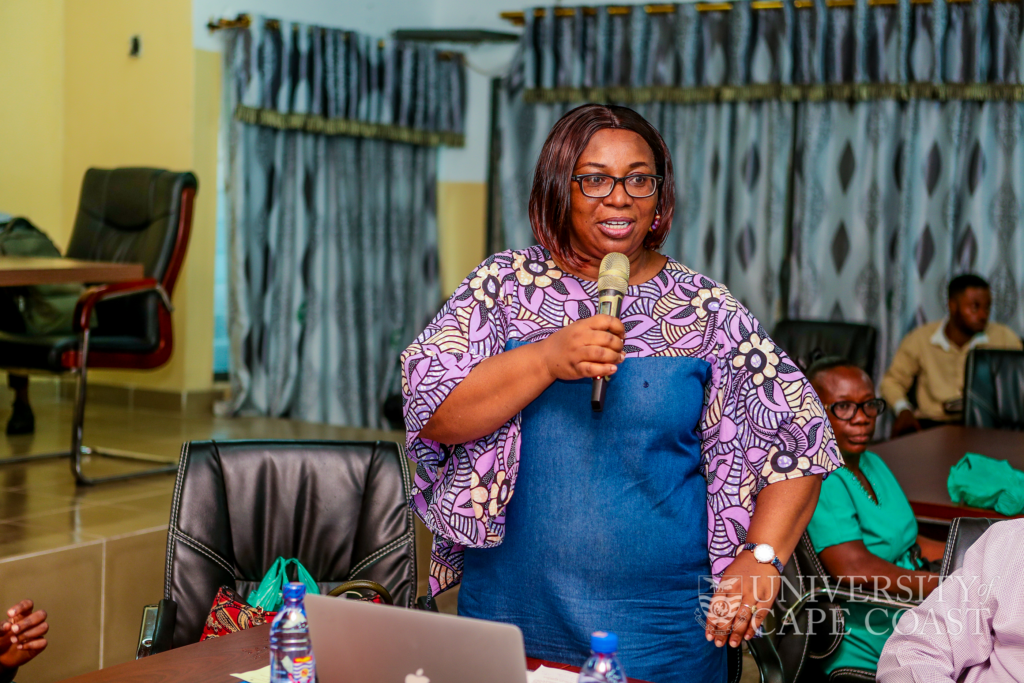
Professor Georgina Yaa Oduro, the Head of the Sociology and Anthropology Department at UCC, shared the findings at a workshop on ending child marriage and Gender-Based Violence for some traditional council registrars from eight regional houses of chiefs and the National House of Chiefs.
The training, organised by the United Nations Population Fund (UNFPA) and the Ministry of Chieftaincy and Religious Affairs, sought to deepen the understanding of the registrars on child marriage, gender-based violence and other harmful practices to help them function effectively.
“If you are on campus and in the halls, you have the hall masters, tutors, and the hall council to control you. In the girls’ hostels, for example, guys cannot visit the halls after 10:00 PM,” Prof Oduro said.
“But in the private hostels, comparatively, you have the freedom to do whatever you want.”
Prof Oduro said the partners performed all the roles of married couples including sex and domestic chores such as cooking, washing and giving out money.
Some of the students, particularly the young women who had to juggle academic work and domestic chores for their partners, sometimes missed lectures or attended late, affecting their studies, she noted.
Like in the communities, she observed that cohabitation among students was also characterised by gender-based violence such as forced sex, abortions and quarrels often due to the freedom in such relationships.
She narrated how a 22-year-old male student of UCC died by suicide this year following a misunderstanding with his partner he was cohabiting with.
Many of those relationships unfortunately ended after school, she noted.
The professor noted that very little attention had been given to the issue and called for concerted efforts by stakeholders, including parents, lecturers, school authorities, and traditional and religious leaders, to mitigate it.
Prof Oduro observed with worry the abuse of emergency contraceptives by young girls and cautioned against the same.
“It is my understanding that such pills are supposed to be taken once in six months or so. But for some children today, it’s their everyday pill,” she stated with concern.
Latest Stories
-
Collecting levies from galamseyers is wrong; sanctions must be enforced – Kenneth Ashigbey
56 seconds -
BeTechConnected launches Future of Work Africa Podcast to amplify African voices on jobs, innovation
11 minutes -
Rejecting pesewa coins is illegal, fuels inflation – BoG warns traders
43 minutes -
New Juabeng MP seeks details on GRA’s customs AI system
45 minutes -
TaxForGalamsey: Levies were institutional, not personal – Kwakye Ofosu explains lack of sanctions
49 minutes -
Feeding Hungry Pupils: 38-year-old female teacher initiates food bank to promote teaching and learning at Abankoro
60 minutes -
Education Minister announces 2027 start date for Jomoro College project in Western Region
1 hour -
‘Sit us down and explain ‘it’—Customs agents raise alarm over new GRA AI system
1 hour -
Gov’t commits GH¢25m seed fund to Ghana Defence University project
1 hour -
Fighters condemns PAC Chair Abena Osei-Asare over Agbana comments; renew call for inclusive politics
1 hour -
72 Days to Mundial: Ghana’s risky gamble after sacking Otto Addo
1 hour -
Health Ministry boosts cardiovascular care with new guidelines, GH¢6m equipment support
1 hour -
OmniBSIC Bank delivers 104% profit growth, assets and deposits double in 2025
2 hours -
Ghana month donation drive ends on high note as NPA donates GH₵1m to GMTF
2 hours -
Prudential Africa CEO working visit to Ghana sets pace for business excellence and agency expansion
2 hours