

Audio By Carbonatix
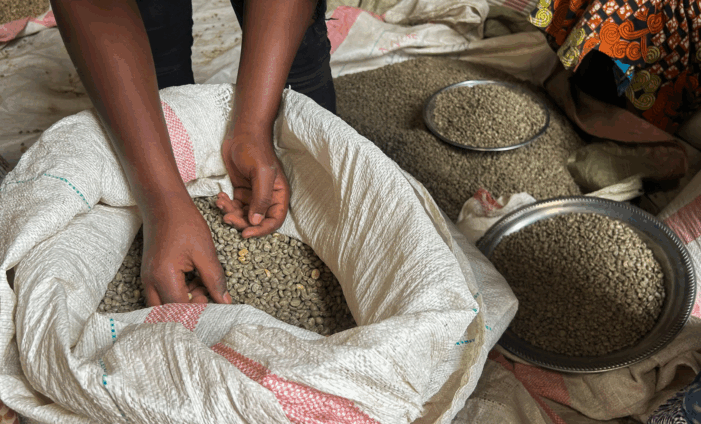
In the lush highlands of eastern Democratic Republic of Congo, coffee crops are rotting and withering as an escalation in the decades-long conflict in the region has kept farmers from tending to their land this year.
Fighting between the government and Rwanda-backed M23 rebels escalated at the start of the year as rebels seized major cities in North and South Kivu provinces, prime coffee-growing areas known for their high-quality Arabica beans.
The latest hostilities have killed thousands and displaced hundreds of thousands more, including farmers. They have also blocked export routes, threatening to curtail what had been a remarkable recovery for the nation's coffee industry following years of decline.
Coffee bean production in Congo topped 100,000 metric tons a year in the late 1980s, according to U.N. data, but fell sharply in the 1990s as DRC forces and other armed groups fought in devastating wars rooted in Rwanda's 1994 genocide.
Output climbed again in the past decade, reaching just over 62,000 tons in 2023, the U.N. data shows.
Cooperatives like SOPACDI in South Kivu province were getting international recognition for their quality beans, and improvements had been made in production methods and in deepening global market connections.
Now those gains are under threat.
At the state-run coffee factory in Bukavu, the South Kivu capital, rows of drying beds laid empty during a Reuters visit earlier this month.
François Kambale Nzanzu, the director of the state agriculture office that oversees exports, said that while coffee trees flowered abundantly this year, fighting and banking disruptions have hit exports.
"We had a lot of coffee, but there weren't many exporters this year," Nzanzu said.
In Muganzo, also in South Kivu, farmer Mudekereza Kashugushu Celestin surveyed the sorry state of his plantation, where fallen trees and shrivelled beans littered the ground.
"There's nothing left of the coffee I had. Even those that remain are already rotten and dry," he said.
The damage has left him struggling to support his family and pay his children's school fees.
"I used to harvest $300 worth of coffee each year, but this year I only got $50," he said.
Latest Stories
-
Several Ghana-bound vegetable trucks detained in Nigeria
47 minutes -
Black Sherif questions Wendy Shay’s absence in “Artiste of the Year” talks ahead of TGMA 2026
2 hours -
Government confirms arrival of 100 new buses to ease transport challenges
2 hours -
$600m tomato imports undermining Ghana’s economy — Chamber of Agribusiness
4 hours -
Rainstorm wreaks havoc: Faulty transformers, feeder failures leave parts of 3 regions without power
4 hours -
CUTS International calls for urgent competition law amid sachet water price hikes
4 hours -
‘I never did this advert’, AI clones hijack Ghanaian identities for profit
5 hours -
25-year-old woman battles trauma after surviving deadly Nkwanta attack
5 hours -
Vice President honoured at Tortsogbeza as South Tongu leaders highlight development needs
5 hours -
Kwahu Business Forum 2026: Corporate citizenship, sustaining African businesses take centre stage with KGL as the case study
6 hours -
Trump seeks $152m to reopen notorious Alcatraz prison
9 hours -
Ex-Chelsea player Oscar retires with heart issue
9 hours -
CA Foundation drives constitutional literacy in Kpone Katamanso municipality
9 hours -
GPRTU to hold talks with Transport Ministry over rising fuel costs
9 hours -
CUTS International urges gov’t to halt sachet water price hike pending cost review
9 hours