

Audio By Carbonatix
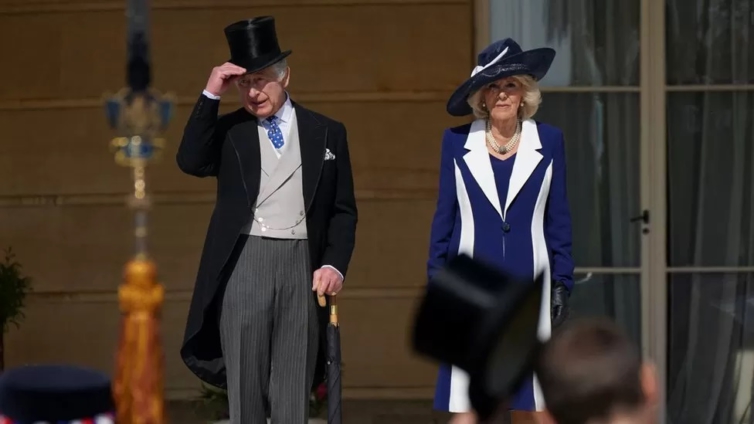
On Saturday, the eyes of the world will be on London, as King Charles III is crowned at Westminster Abbey.
As final preparations are made, the usual questions are being asked about whether it will be money well spent.
Amid the cost-of-living crisis causing misery for many in the UK, there is criticism that the event should not be publicly funded.
But some business groups have said it is likely to be a money-spinner for them.
Much has been said about whether a lavish coronation with all the frills is appropriate at a time that millions of UK households are struggling with basic costs.
Being a state event, it will be paid for by the UK Government as well as Buckingham Palace, through the Sovereign Grant and Privy Purse.
It had been rumoured the event may be "slimmed down", due to the economic situation.
The estimated cost is widely reported to be between £50-100m, although that figure does not originate from an official source.
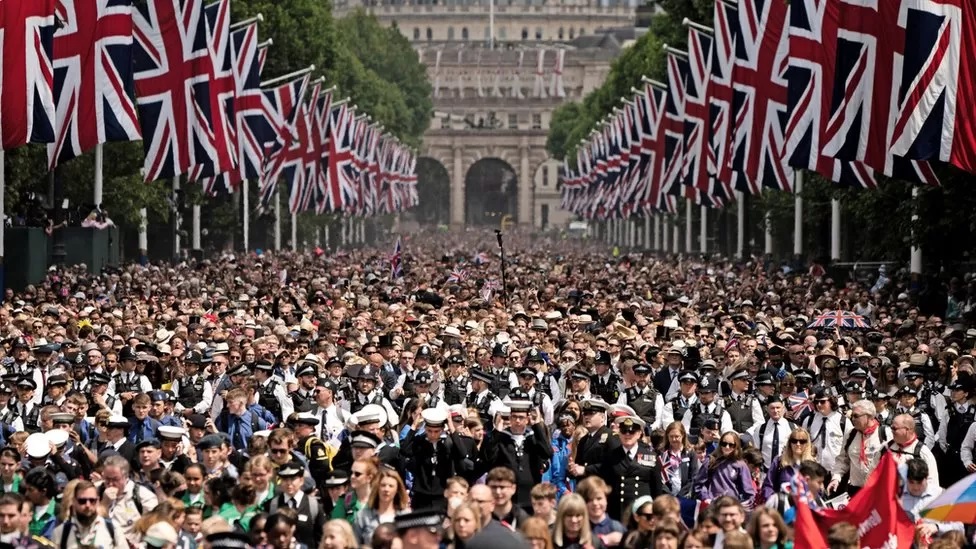
A recent poll carried out by YouGov revealed that 52% of Londoners did not believe the Coronation should be paid for by taxpayers.
But BBC London found people in one part of west London had mixed views. On a visit to Coronation Road in Hayes, we met Carol, a pensioner, among others.
"We're struggling for heating and eating and they're splashing all this money out," she said.
"It is a lot of money to pay out and I think, in this day and age, they need to do it on a low budget."
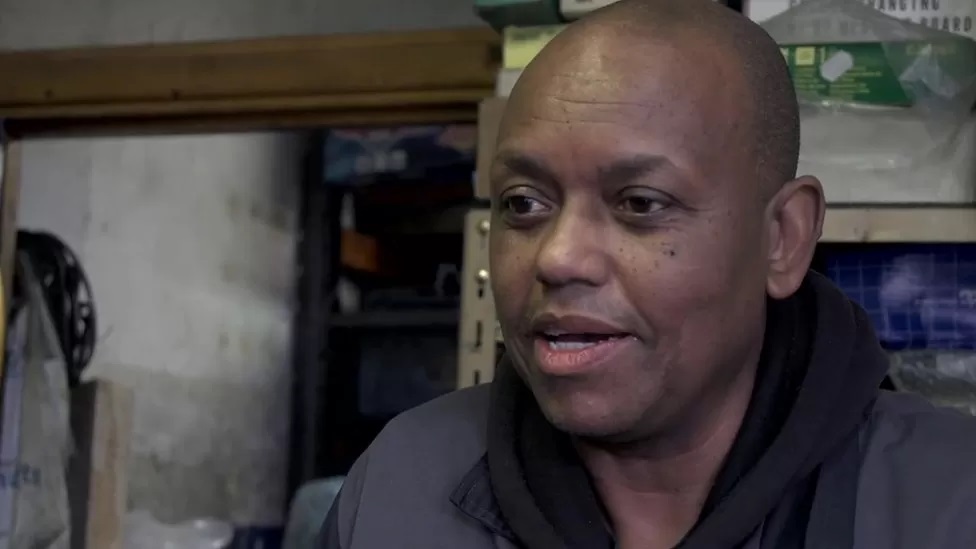
At a local car parts shop, we encountered a different view.
"If it brings something to our economy, let's go for it," said Len, who said he was looking forward to celebrating over the bank holiday.
But, he added, he did not believe the government was being upfront about what the cost of the event was likely to be.
Indeed, the cost to the public purse has not been revealed.
The Department for Digital, Culture, Media and Sport (DCMS), said it was "unable to give costs, or a breakdown of funding" until after the event.
'Good for the bottom line'
There is of course the view that it "takes money to make money".
The London Chamber of Commerce and Industry (LCCI) believes that economically the Coronation is, "overall, a good news story".
As crowds descend on the capital to witness the historic event, many businesses, particularly in the hospitality sector, will benefit from their passing trade, says James Watkins, the LCCI's head of policy.
The Coronation, he believes, will create the "massive boost" those businesses need to "get back on track" after they were hit by the Covid pandemic and subsequent train strikes.
Mr Watkins said London's fortunes are dependent on its reputation.
"Anything that hits that reputation is bad news, and now we have a major global event that the whole world wants to see and that is good for the bottom line for the business community and the jobs dependent on those businesses."
With an extra bank holiday in the calendar, the leisure industry is bracing itself for a busy, lucrative weekend.
UK Hospitality, which represents bars, restaurants and hotels, believes the Coronation will deliver a £350m boost for the sector.
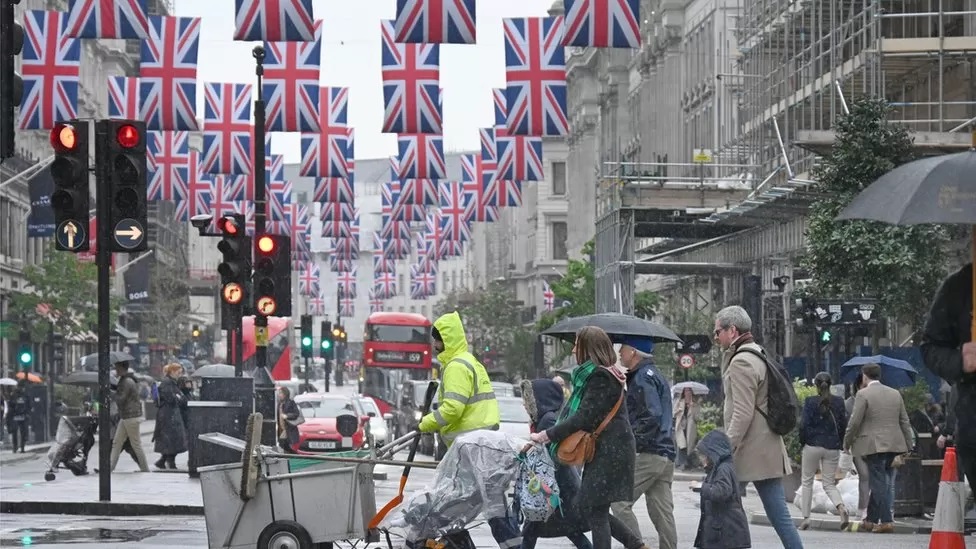
However, the addition of a bank holiday could be a worry for some businesses if Queen Elizabeth II's Platinum Jubilee is anything to go by.
According to the Office for National Statistics (ONS), some firms reported a loss of turnover in June 2022 after the four-day bank holiday weekend.
Business consultant Abby Ghafoor, who works with companies across the capital, said she believes productivity is down, due to people taking long periods of leave around the May bank holidays.
However, she said a recent increase in tourism and retail sales linked with the Coronation had been "phenomenal".
"It will be good for the bottom line, especially for the City of London and London, which generates 20% of the UK's gross domestic product (GDP). This will directly impact the economy of the UK."
According to investment analyst Laith Khalaf of AJ Bell, it is "extremely difficult bordering on impossible" to quantify the economic effect of an event like the Coronation.
Over the course of a year, he said, the economy will be "determined by much bigger and more durable forces, such as commodity prices, business investment and consumer spending".
Latest Stories
-
Netherlands Fire Chief in Ghana to support fire safety reforms and market fire prevention efforts
3 hours -
Mason goes on remand for stealing
3 hours -
Gov’t cuts fuel taxes, deploys buses to curb impact of rising fuel prices
4 hours -
Interior Minister calls for intelligence-driven strategy as Ghana strengthens counter-terrorism efforts
4 hours -
Adenta Circuit Court remands Pastor William Gyimah over viral threats against Vice President
4 hours -
“We’ve implemented changes to prevent a repeat of the AFCON final” – CAF President Motsepe
4 hours -
Gov’t orders deployment of Metro Mass buses to cushion commuters amid fuel price hike
5 hours -
Key Indian state polls begin in test for Modi’s party
5 hours -
Playback: Gomoa Easter Carnival in photos
6 hours -
Gov’t orders removal of fuel taxes to ease pump price hikes
6 hours -
“Whatever the decision of CAS, we will respect it” – CAF President Motsepe after AFCON final meetings in Morocco
6 hours -
Emma Ankrah: When waiting becomes part of treatment – Reflections on hospital care
6 hours -
Ghana urges travellers to prepare for new EU border system roll-out
6 hours -
Mahama enforces fuel coupon ban for ministers as cabinet moves to slash fuel taxes
6 hours -
Task force probes strange fish deaths in Tema
6 hours