

Audio By Carbonatix
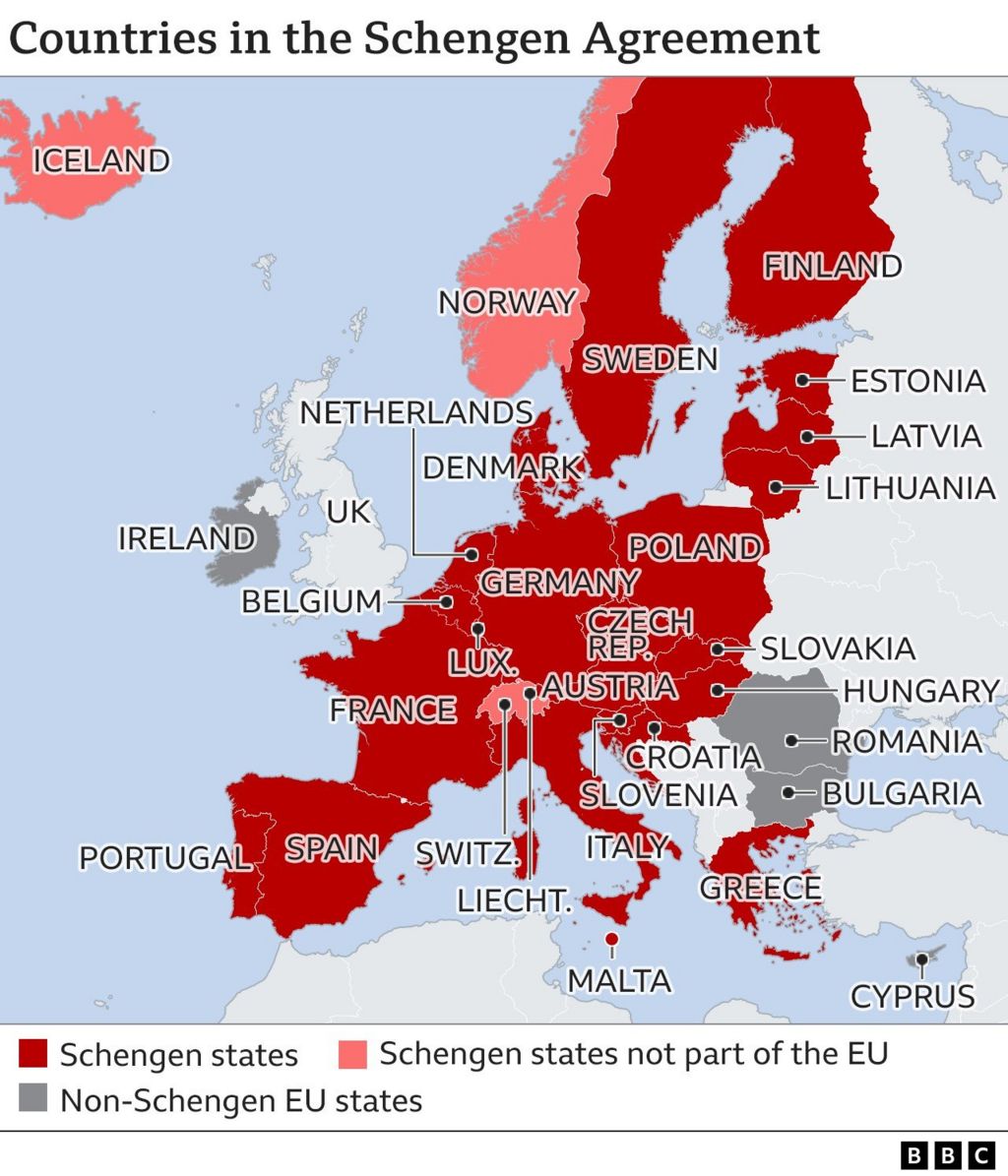
Croatia is embarking on a historic year as it joins the EU's border-free Schengen zone and it ditches its own currency, the kuna, adopting the euro.
The country committed to joining the eurozone when it became the EU's newest member in 2013.
Nationalist parties wanted to keep the kuna, but were overruled by the constitutional court.
It is the twenty-seventh country in the Schengen area, which allows 400 million to move freely between countries.
European Commission President Ursula von der Leyen hailed the changes as "two immense achievements" for the youngest member state of the EU.
She said 1 January - when the changes officially happened - would be a day "for the history books".
Above all, this would be a moment of "joy and pride for the Croatian people", she said.
"It is testimony of your amazing journey, your hard work and your determination."
Croatia's Prime Minister, Andrej Plenkovic, said on Sunday the country - a former Yugoslav republic that fought a war of independence in the 1990s - had "achieved its strategic, state and political goals" by the two historic changes.
He was speaking at a ceremony at the Bregana border crossing with neighbouring Slovenia, where passports will no longer be routinely checked.
Mr Plenkovic said that Schengen membership would "mean a lot for Croatia as a tourist country, which is to a large extent a destination where tourists travel by car".
He added that "the fact that we will also be in the eurozone gives another signal to all those visiting Croatia".
Croatia's entry into the Schengen zone is expected to boost its tourism industry, which accounts for 20% of its GDP and welcomes millions of visitors each year.
Previously long queues at border crossings with Hungary and Slovenia should become a thing of the past.
The use of the euro is already widespread in the country, with key assets such as homes valued in the currency and a large percentage of bank deposits also denominated in euros.
Experts say moving to the European currency should help shield Croatia's economy at a time of inflation across the globe.
The euro was launched on 1 January 1999 as an electronic currency and became legal tender for about 300 million people in 12 member states on 1 January 2002. With the addition of Croatia, there are now 20 countries in the eurozone.
Latest Stories
-
Israel carries out large wave of air strikes across Lebanon
4 minutes -
BBC upholds complaints over racial slur in Baftas broadcast
4 minutes -
Kukurantumi set to host 2025/26 Women’s FA Cup Final as Hasaacas Ladies face Army Ladies
4 minutes -
Where the law stops: Torture, power, and the failure of prevention in Ghana
5 minutes -
Only 6% of imports insured locally despite mandatory policy – GSA raises concern
10 minutes -
IndomieFest Accra 2026 delivers Ghana’s premier family festival at Easter
16 minutes -
GIP Secures $20m boost from Norfund, Axis Pensions to deepen SME financing in Ghana
24 minutes -
Newlywed wife of US soldier freed by ICE after detention at military base
39 minutes -
GMet forecasts thunderstorms, gusty winds over southern Ghana
44 minutes -
John Kpikpi supports Taviefe youth with GH¢5000, calls for unity and new leadership
47 minutes -
John Kpikpi courts Taviefe youth, urges shift towards Progressive Alliance for Ghana
54 minutes -
Reconstruct, Don’t Refurbish: Terminal 2 and the high cost of policy misjudgement
1 hour -
Starmer arrives in Saudi Arabia after US-Iran ceasefire deal
1 hour -
Maxwell Kwame Odoom-Tsibu
1 hour -
Health NGOs warn of imminent family planning crisis over delayed UNFPA supplies at Tema Port
1 hour