

Audio By Carbonatix
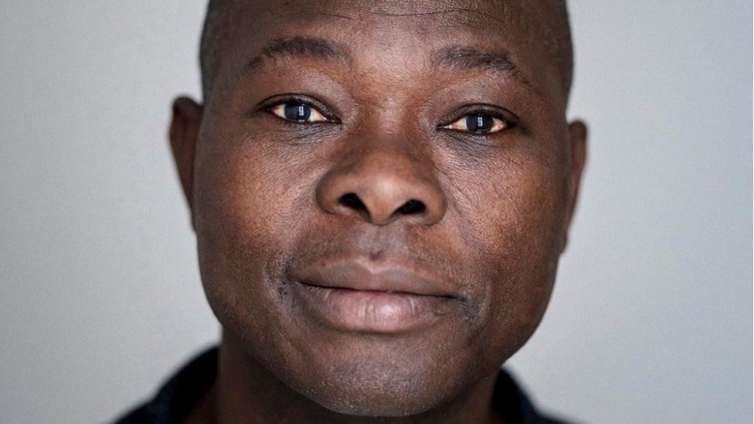
Burkino Faso-born architect, Diébédo Francis Kéré, has become the first African to win the prestigious Pritzker Prize, which is often referred to as the Nobel Prize of architecture.
His highly esteemed work, including permanent and temporary structures, has been erected in his country of birth, but also across Africa, Europe and the United States.
Mr Kéré, 56, was elated to receive what is considered architecture's most renowned award, telling the BBC he was "very happy, very proud. It was a huge surprise."
But his decades-long journey to the top of his field was far from straightforward, with limited opportunities in his village.
"I grew up in a community where there was no kindergarten, but where community was your family," he told the Pritzker Prize.
"I remember the room where my grandmother would sit and tell stories with a little light, while we would huddle close to each other and her voice inside the room enclosed us, summoning us to come closer and form a safe place. This was my first sense of architecture," he continued.
At the age of seven, Mr Kéré found himself crammed into an extremely hot classroom with more than 100 other students.
As the first child in his community to have attended school, this experience of poor building facilities was his earliest inspiration to improve the educational lives of Burkina Faso's children, using architecture.
Years later and after studies in Germany, the dream became a reality, with Mr Kéré designing a primary school in his home village of Gando as his first building in 2001.
It was built with significant input from local people, who contributed to the workforce and resources, according to the prize's website.
"Architecture is an instrument we can use to create better cities, to create space to inspire people, to create classrooms which inspire the best generation," he told BBC Afrique.
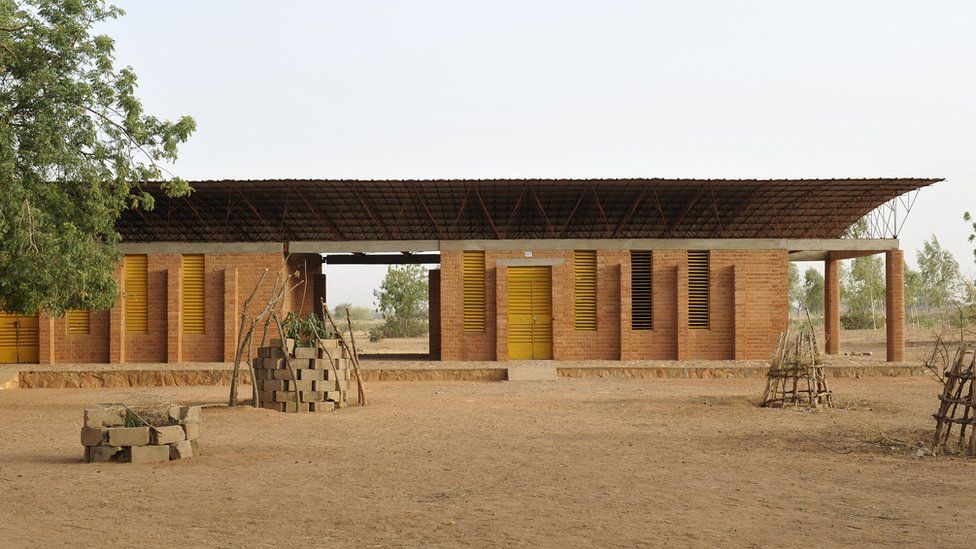
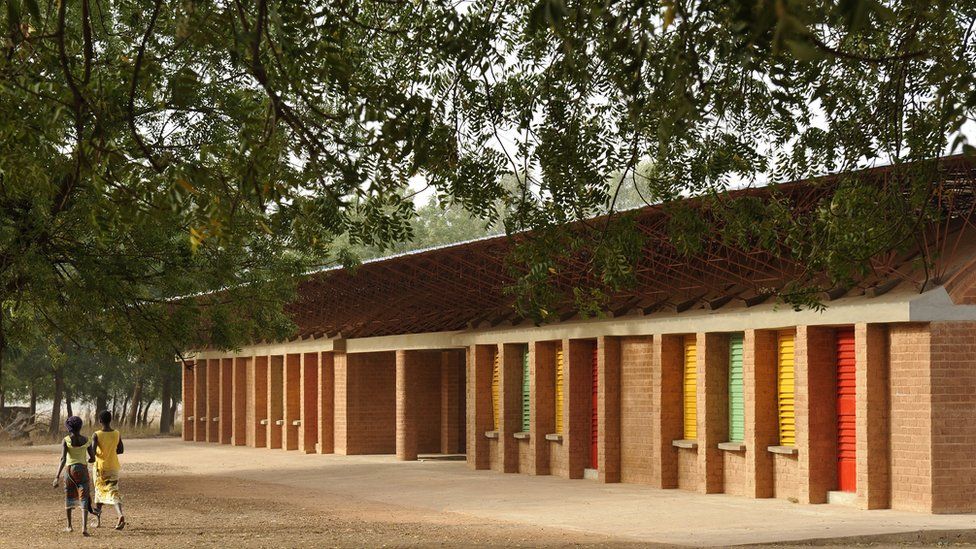
The success of the primary school earnt Mr Kéré the Aga Khan Award in 2004, which is awarded every three years to identify building projects that address the needs of societies with a large Muslim population.
The renown of the Gando school later paved the way for him to design more educational establishments, like Lycée Schorge, also in Burkina Faso.
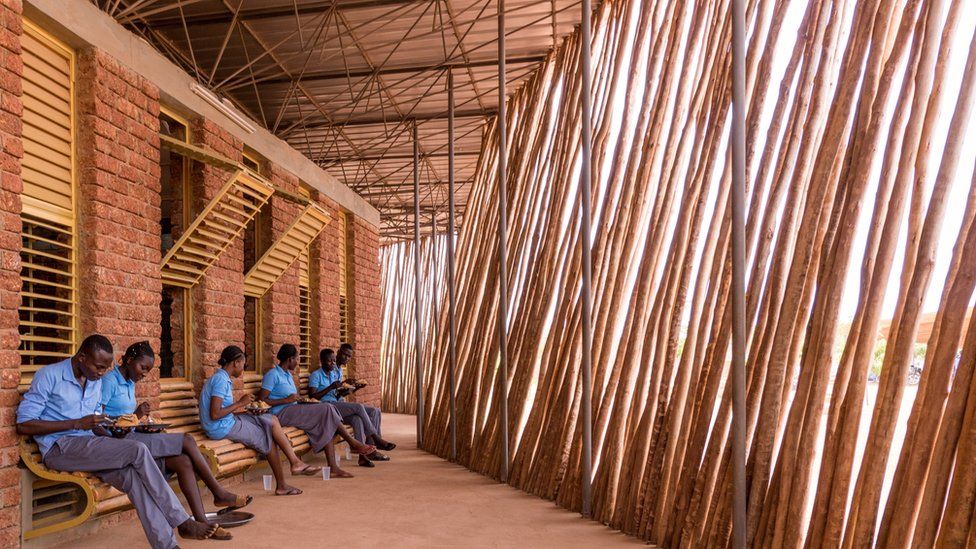
One of the distinguishing markers of Mr Kéré's work is his use of light, which Pritzker Prize facilitators noted in their announcement: "A poetic expression of light is consistent throughout Kéré's works. Rays of sun filter into buildings, courtyards and intermediary spaces, overcoming harsh midday conditions to offer places of serenity or gathering."
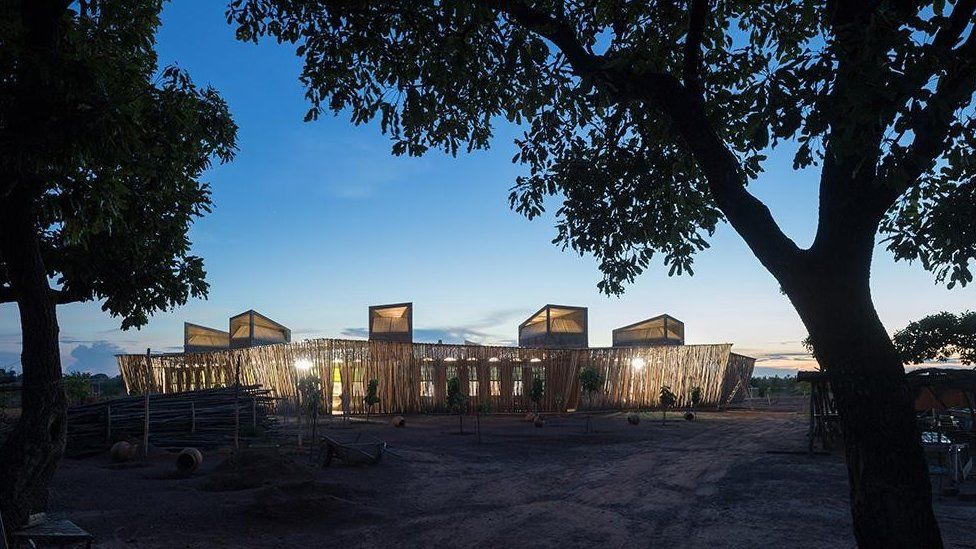
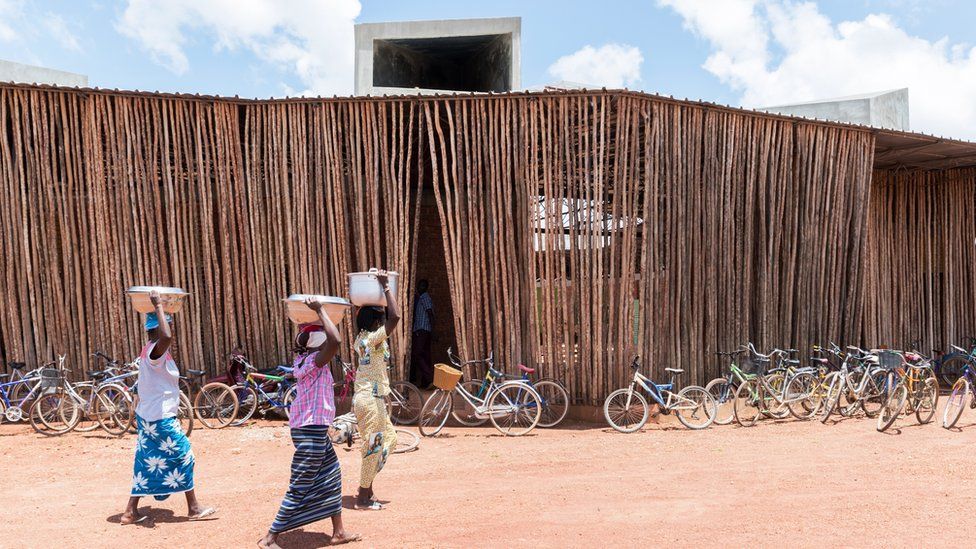
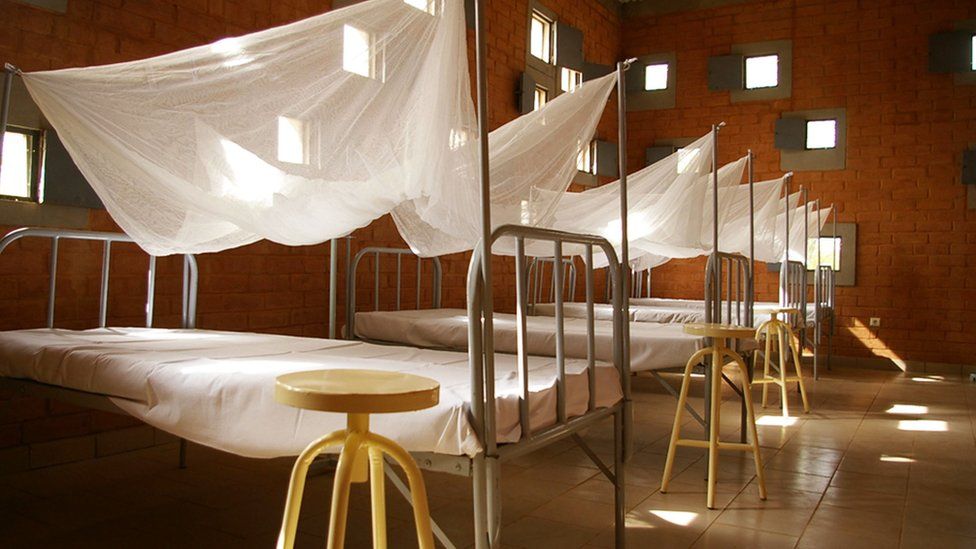
Mr Kéré's signature use of light is also evident in his design of healthcare facilities, such as the Centre for Health and Social Welfare in Burkina Faso's Opera Village, which is still under construction, according to the architect's own website.
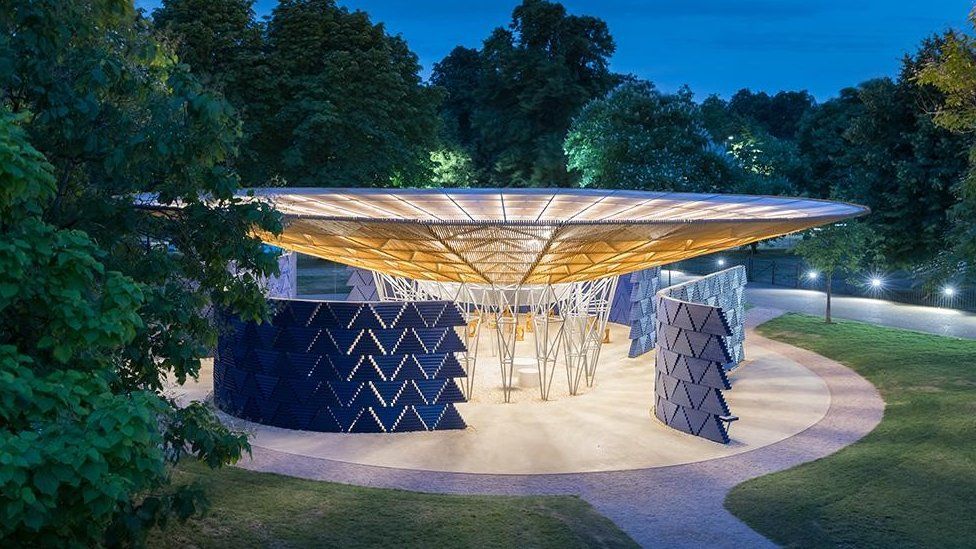
Beyond his designs in Burkina Faso, the award-winning architect has also designed permanent and temporary structures across Europe and the United States, such as London's 2017 Serpentine Pavilion.
Each year, the Serpentine Gallery invites an international architect to build their first ever London edifice on its grounds.
His inspiration for the design was the trees in his home village of Gando, with structures that sought to connect the visitors with the surrounding nature, according to the Serpentine website.
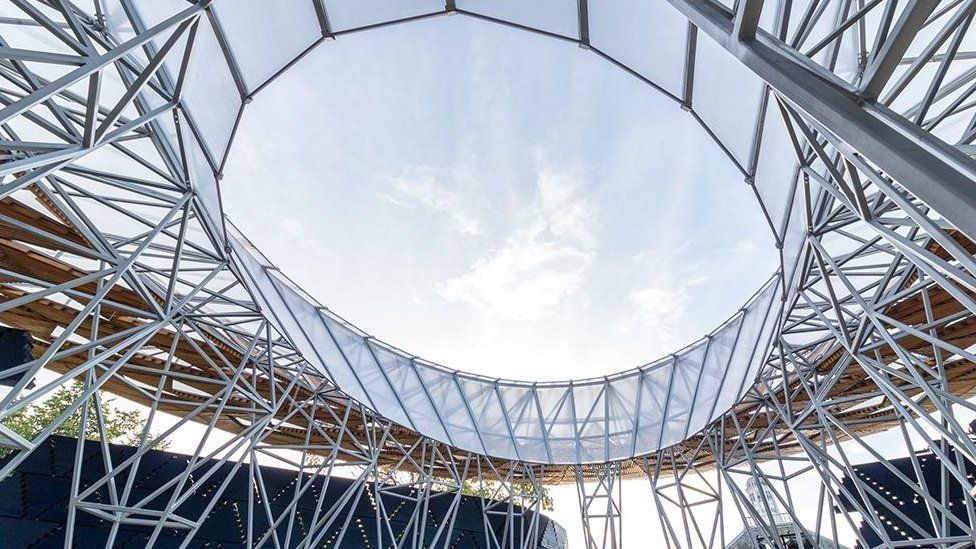
Mr Kéré has also done designs for the famous Coachella Valley Music and Arts Festival, which runs each year in California and attracts celebrities and big names in the entertainment industry with Billie Eilish, Swedish House Mafia and Kanye West among those set to perform this year.
Mr Kéré's design for the 2019 festival was named Sarbalé Ke, which means House of Celebration. His inspiration for the structure was the Baobaob tree, which has a hollow interior bark.

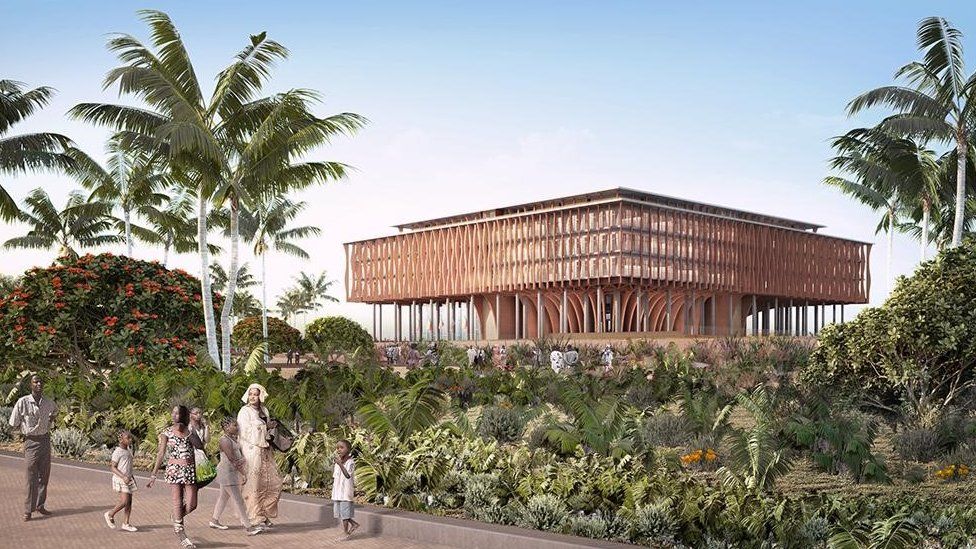
Mr Kéré's ongoing architectural works include parliament buildings in both Burkina Faso and Benin. Although unfinished, the designs once again demonstrate his signature use of light.

Latest Stories
-
Netherlands Fire Chief in Ghana to support fire safety reforms and market fire prevention efforts
3 hours -
Mason goes on remand for stealing
3 hours -
Gov’t cuts fuel taxes, deploys buses to curb impact of rising fuel prices
4 hours -
Interior Minister calls for intelligence-driven strategy as Ghana strengthens counter-terrorism efforts
4 hours -
Adenta Circuit Court remands Pastor William Gyimah over viral threats against Vice President
4 hours -
“We’ve implemented changes to prevent a repeat of the AFCON final” – CAF President Motsepe
4 hours -
Gov’t orders deployment of Metro Mass buses to cushion commuters amid fuel price hike
5 hours -
Key Indian state polls begin in test for Modi’s party
6 hours -
Playback: Gomoa Easter Carnival in photos
6 hours -
Gov’t orders removal of fuel taxes to ease pump price hikes
6 hours -
“Whatever the decision of CAS, we will respect it” – CAF President Motsepe after AFCON final meetings in Morocco
6 hours -
Emma Ankrah: When waiting becomes part of treatment – Reflections on hospital care
6 hours -
Ghana urges travellers to prepare for new EU border system roll-out
6 hours -
Mahama enforces fuel coupon ban for ministers as cabinet moves to slash fuel taxes
6 hours -
Task force probes strange fish deaths in Tema
6 hours