

Audio By Carbonatix
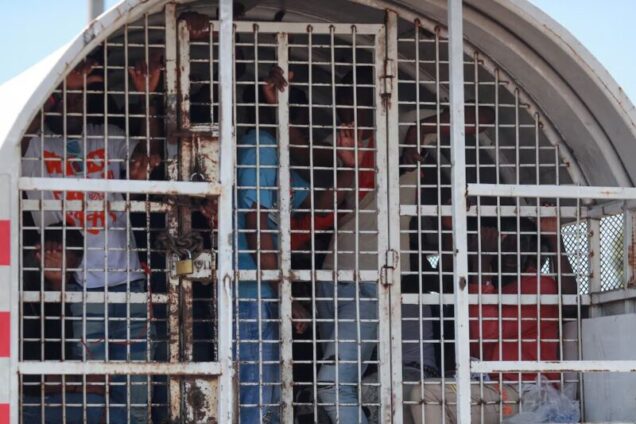
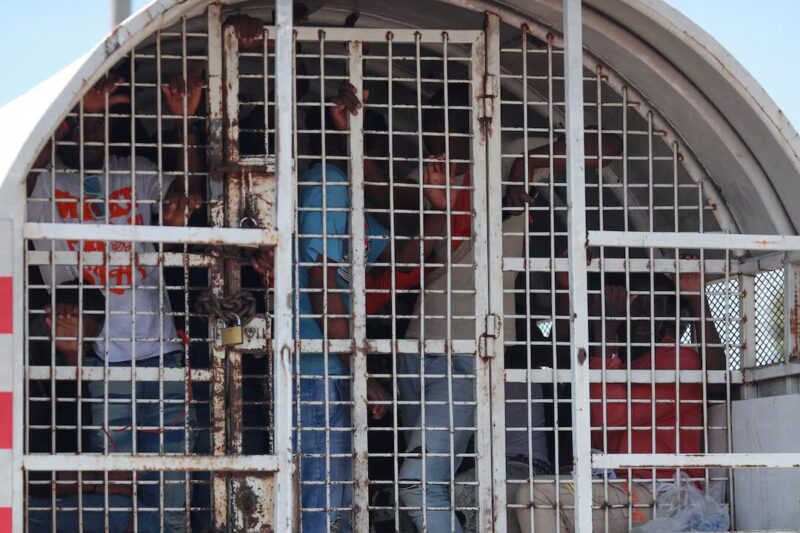
The Dominican Republic on Wednesday announced an "immediate" plan to deport up to 10,000 migrants per week, as it ramps up enforcement along its border with Haiti despite U.N. pleas for it not to expel people to its conflict-hit neighbour.
The announcement from the Caribbean island nation did not specify that the plan would target Haitians, but nationals from its neighbour have made up the vast majority of deportees.
If implemented, the plan would mark significant growth in deportations after more than 200,000 Haitians were forcibly returned last year, according to U.N. data.
In its statement, the president's office pointed to the slow progress and "limited" results of a U.N.-backed security mission sent to help Haitian police retake control of the capital from the growing presence of armed gangs.
"Faced with this reality, we're forced to act decisively," presidential spokesperson Homero Figueroa said in the statement.
The plan calls for more border inspectors, surveillance drones and building "temporary repatriation camps", while taking into account both security and human rights, Figueroa said.
A spokesperson for Haiti's prime minister did not immediately respond to a request for comment.
The United Nations has asked countries including the Dominican Republic and the United States to halt deportations to Haiti, where severe hunger has soared and is now affecting nearly half the population of around 11 million.
The number of Haitians internally displaced has nearly doubled in six months, surpassing 700,000 as gangs expand to areas around the capital.
The Dominican Republic, which shares the island of Hispaniola with Haiti, last year accounted for 96% of Haitians deported from countries around the world.
Dominican Republic President Luis Abinader was reelected this year, pledging to take a tough stance on Haitian migration.
Last year, the Dominican Republic shuttered border crossings citing a conflict over a canal being built in Haiti off a shared river. In 2022, it began building a border wall.
Local activists have for years protested deportations of vulnerable people such as pregnant women and the stripping of Dominican nationality from some 200,000 people born to Haitian parents over a decade ago.
Latest Stories
-
GPL 2025/26: Dreams FC stage stunning comeback to hammer Eleven Wonders
1 hour -
Livestream: The Probe examines Kumasi’s looming water crisis
1 hour -
MTN Ghana gears up to lead Africa’s AI revolution
1 hour -
Philanthropist Alhaji FuZak donates Da’wah bus to Ambariya Sunni community
2 hours -
GUTA calls for suspension of Publican AI system over trade disruptions
2 hours -
TTAG raises alarm over proposed recruitment of 7,000 teachers, demands national posting roadmap
2 hours -
Civilians feared killed after reports of air strike on Nigerian market
2 hours -
Bishop Simon Kofi Appiah installed as new Jasikan Diocese Bishop
2 hours -
Trump’s Strait of Hormuz blockade threat raises risks and leaves predicaments unchanged
2 hours -
US Court backs extradition of former MASLOC CEO Sedina Tamakloe-Attionu to Ghana
3 hours -
Seven arrested as NAIMOS dismantles illegal mining camp, seizes firearms at Boin River
3 hours -
Fire erupts at Madina Ritz Junction, destroys multiple wooden structures and containers
3 hours -
Daniel-Kofi Kyereh returns from long-term injury, registers assist for Freiburg U23
3 hours -
Knifeman calling himself ‘Lucifer’ slashes three at NYC’s Grand Central
3 hours -
Brands are built from within to without
3 hours