

Audio By Carbonatix
With the UN statistics citing that 40 per cent of the global population does not have access to safe water, experts in the sector have for years been advocating for the proper treatment of the commodity where it is available.
Though this has proved difficult to achieve - sometimes due to behavioural or financial restraint- the use of varying methods to treat water has been adopted by homes and communities as a means of preventing water-related diseases
It has however been realized through research that one of the methods – filtering - can actually be the source of contamination.
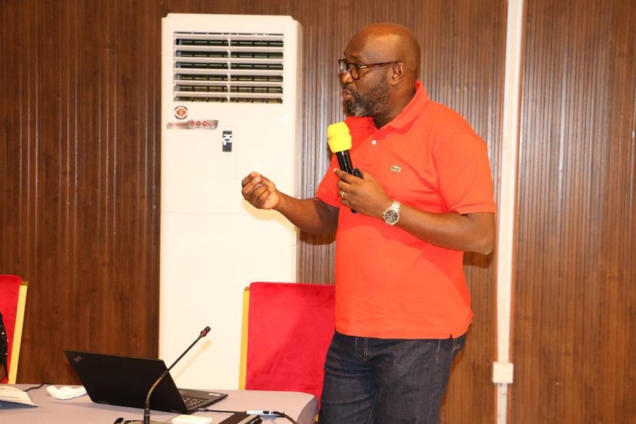
Speaking at a media training ahead of the 21st AfWA International Congress and Sludge Management Conference in Abidjan, the Director of the Water Quality Laboratory of Sodeci in Cote d’Ivoire, Professor Aw Sadat revealed that most people assume the use of filters automatically makes the water clean.
He said they forget that particles which are left at the base of the filters, sometimes find their way into the treated water. His proposed solution is for the daily cleaning of the filters.
"The job of the filter is to separate solid and liquid so when you put in the water, the filter controls the solid. We all know that with time, there will be an accumulation of the solid on the filter yet some do not dispose of it or clean the filters.
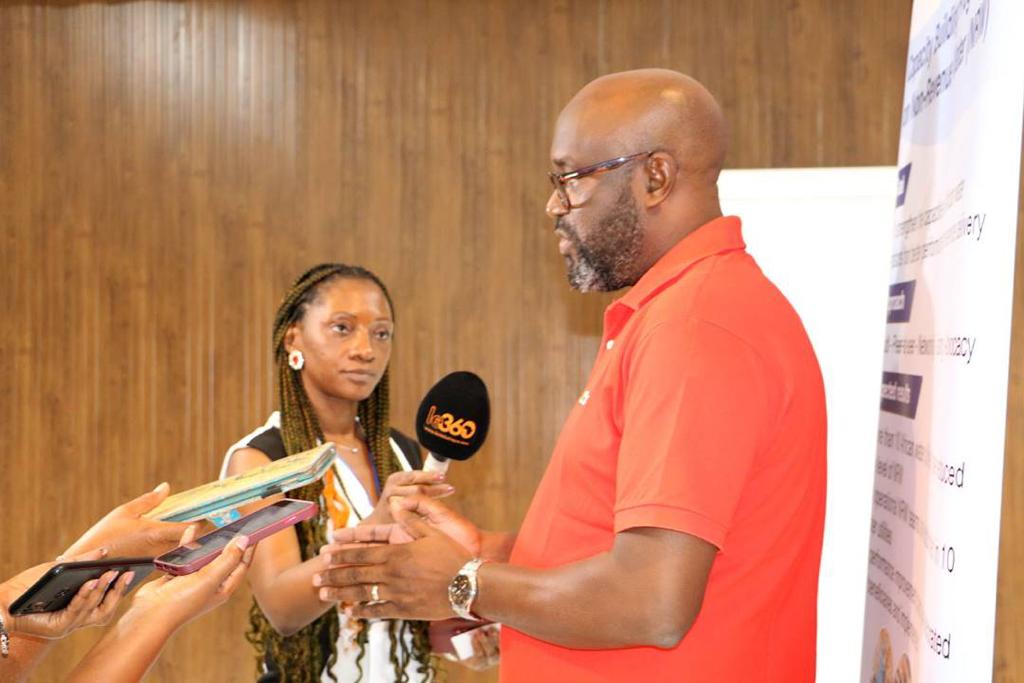
"With time, the filter will not be able to do its job during the cycle. But we know that water will find its way out of the filter so during that process, some of the solid particles travel with it, thereby contaminating the safety of the water. This is why you must change your filter all the time,’ Prof Sadat emphasised.
The safe water advocate also touched on the importance of periodic monitoring of the control systems which check the quality of the water.
Citing the effective practice in his country as an example, Professor Sadat, explained how a prompt response to an abnormality found by the monitoring team prevented a catastrophe as a distribution chain had been contaminated with urine.
Sharing the Ivorian practice, Professor Sadat explained how "there is a meeting every day where we do control depending on the set objectives.
"Some of the control is done every morning, others every other day and sometimes weekly."
He added, "we have a policy document which guides us with this quality control and depending on the kind of water, we decide on the quality control measures in conformity to international standards."
His recommendation is for "water utility bodies in Africa to be adequately equipped to aid their control and monitoring of water quality so that water-related diseases would be prevented."
Latest Stories
-
Star Oil posts strongest growth to cement market leadership in 2025
5 minutes -
TTAG raises alarm over recruitment of 7,000 teachers; says it’s inadequate to clear backlog
14 minutes -
Bawumia mourns former Savannah Regional Minister Salifu Braimah
16 minutes -
First Lady inspires young women at 2026 Young Singles’ Rally at Sakumono
20 minutes -
Savannah NPP suspends all activities over death of Salifu Adams Braimah
24 minutes -
Greater Accra Minister disowns Kaajaano demolition exercise
28 minutes -
Kwahu Easter 2026 records low crime, improved sanitation
32 minutes -
Damang Mine deal must prioritise value protection – Suame MP John Darko
37 minutes -
Kasoa Market redevelopment not politically motivated – Queenstar Sawyerr
41 minutes -
New Black Stars coach to be named today – Sports Minister
45 minutes -
Eduwatch urges GES to publish district recruitment quotas for transparency
49 minutes -
Asokore-Mampong Assembly bans foreigners from riding ‘Adedeta’
53 minutes -
Nyansuaka chiefs, people urge gov’t to improve roads
59 minutes -
Health Ministry seeks Ga State support for free healthcare rollout
1 hour -
Ghana losing culture of caring for aged- Philanthropist laments
1 hour