

Audio By Carbonatix
Stakeholders in the energy and transport sectors have met in Accra to explore how electric mobility powered by clean energy can improve healthcare delivery while helping Ghana tackle climate change.
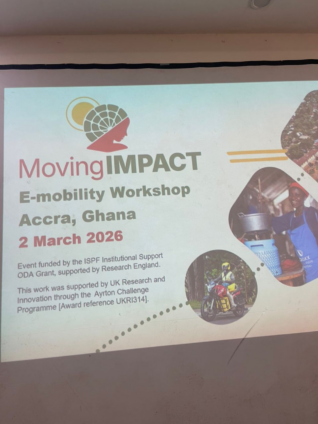
The inception workshop, organised by the Regional Centre for Energy and Environmental Sustainability at the University of Energy and Natural Resources in partnership with the MOVING IMPACT consortium, examined how solar-powered electric vehicles could support critical services such as health facilities, particularly in underserved communities.
The MOVING IMPACT project, funded by UK Research and Innovation, focuses on improving energy access across Sub-Saharan Africa by integrating renewable energy technologies with essential services. One key area under discussion is the use of flexible solar-powered charging systems to support electric mobility in sectors including healthcare and agriculture.
A lecturer in urban energy systems at the University of Leeds, Dr Sheridan Few, noted that reliable energy and transport systems are essential for effective healthcare delivery, especially in areas vulnerable to climate change.
“Access to reliable energy is closely linked to health outcomes. When health facilities have dependable power and transport systems, they are better able to deliver essential services, particularly in rural communities,” he said.
Project Manager at Imperial College London, Emma Fromant, explained that the initiative is also aimed at reducing emissions while strengthening essential services.
“We are looking at how clean energy solutions such as solar-powered charging infrastructure can support electric mobility in critical sectors like healthcare while also contributing to climate change mitigation,” she said.
Principal Investigator of the MOVING IMPACT project at Imperial College London, Adria Junyent-Ferré, highlighted the importance of integrating renewable energy into transport systems to make them more sustainable.
“By combining solar energy with electric mobility, we can reduce reliance on fossil fuels and create systems that are both environmentally sustainable and practical for essential services like health care,” he noted.
A lecturer at the University of Energy and Natural Resources, Dr Felix Amankwah Diawuo, stressed the potential benefits for Ghana’s health sector, particularly in rural areas where energy access remains a challenge.
“Integrating e-mobility with renewable energy systems can help improve access to health services, especially in remote areas where transportation and electricity remain unreliable,” he said.
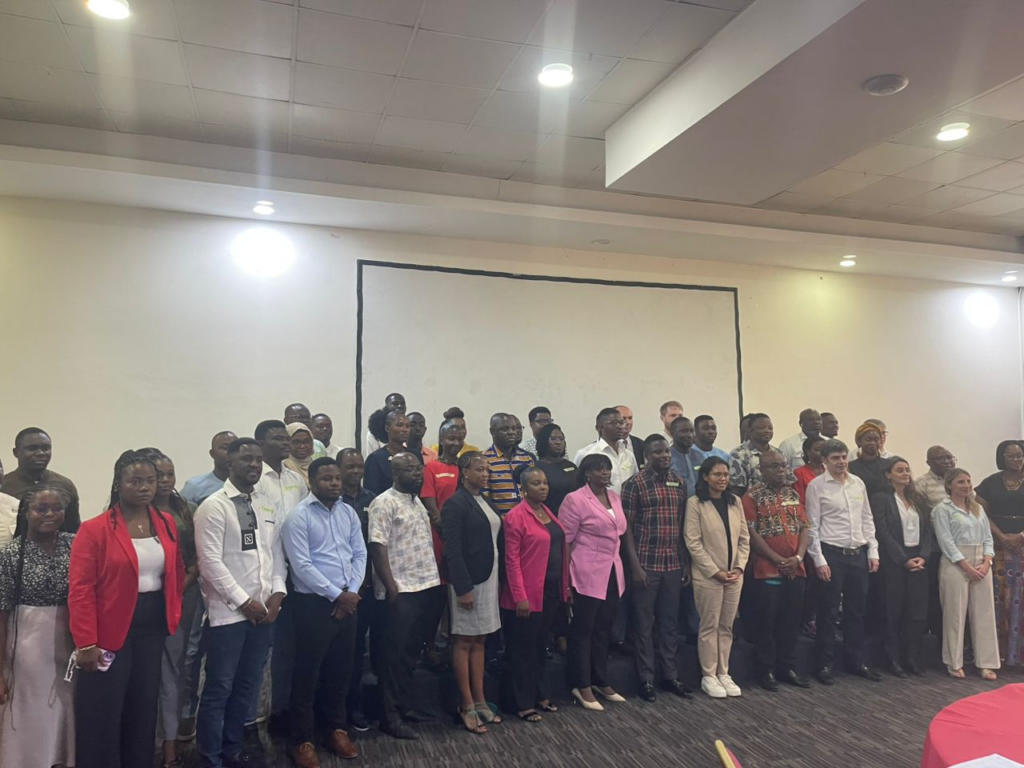
The workshop brought together researchers, policymakers, and industry stakeholders to examine policy frameworks, infrastructure needs, and business models required to support electric mobility in Ghana.
Participants also discussed how solar-powered charging stations located near health centres could improve emergency response and service delivery while reducing the carbon footprint of the health sector.
The MOVING IMPACT project is expected to provide recommendations to support the development of policies and investments that promote clean transport solutions while strengthening climate resilience in critical sectors such as healthcare.
Latest Stories
-
Asante Gold reports US$345million loss for 2025
1 hour -
Gov’t making progress in clearing $1.7bn power debt – Mahama
2 hours -
Justice is the engine of growth – Chief Justice
3 hours -
Meet us halfway – Trade Minister tasks private sector with AfCFTA success
3 hours -
After more than 14 years at Atletico Madrid, what next for Simeone?
3 hours -
Conquering the World – Building on the foundations laid by Otto Addo
3 hours -
[Watch Live] Kwaw Kese, Kwami Eugene, Tinny, Keche and others thrill fans at Gomoa Easter Carnival
4 hours -
Gomoa Easter Carnival: Experts charge indigenes to own festival to ensure sustainability
5 hours -
Gomoa Easter Carnival: Edem Agbana and Joy Prime fans shower festival with huge endorsements
6 hours -
Gathering of Royals 2026: Empowering women, boosting tomato production
7 hours -
Gov’t to overhaul free zones into manufacturing hubs for local production – Trade Minister
7 hours -
Ghana losing $2.5bn yearly from raw exports – Trade Minister reveals
7 hours -
Mahama unveils plans for Kwahu Airport, Convention Centre
7 hours -
World’s oldest leader, Paul Biya to get a deputy for first time in 43-year rule
8 hours -
Search for missing US airman continues as Trump threatens ‘hell’ if Iran does not reach deal
8 hours