


Audio By Carbonatix
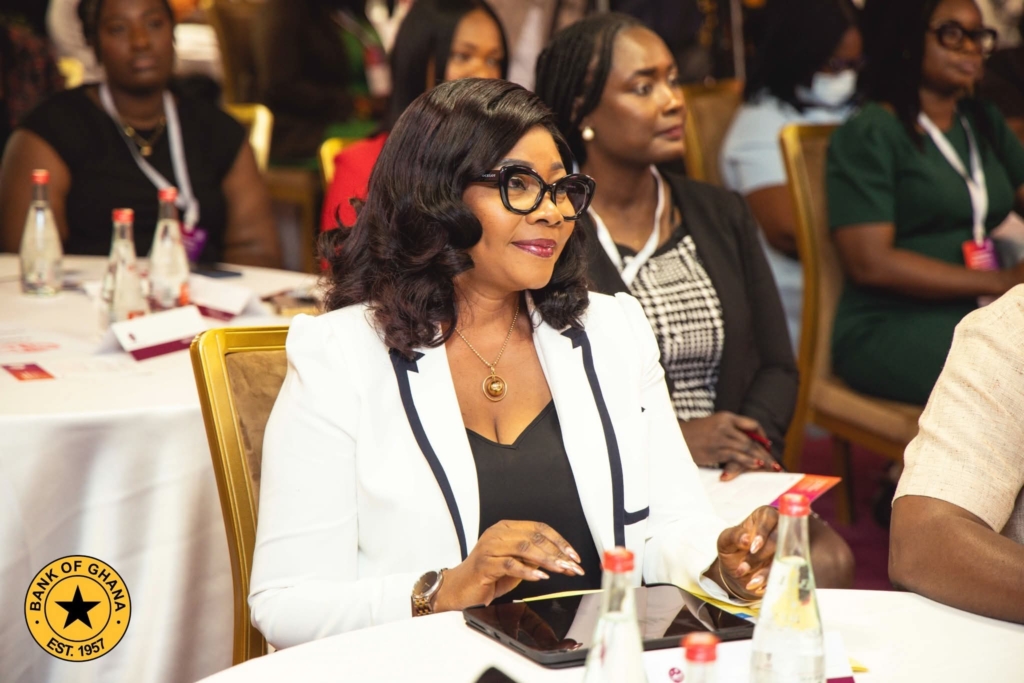
The Second Deputy Governor of the Bank of Ghana, Mrs. Matilda Asante-Asiedu, has called on corporate organisations to move beyond tokenism and intentionally create leadership opportunities for women in areas that shape culture, drive strategy, and spark innovation.
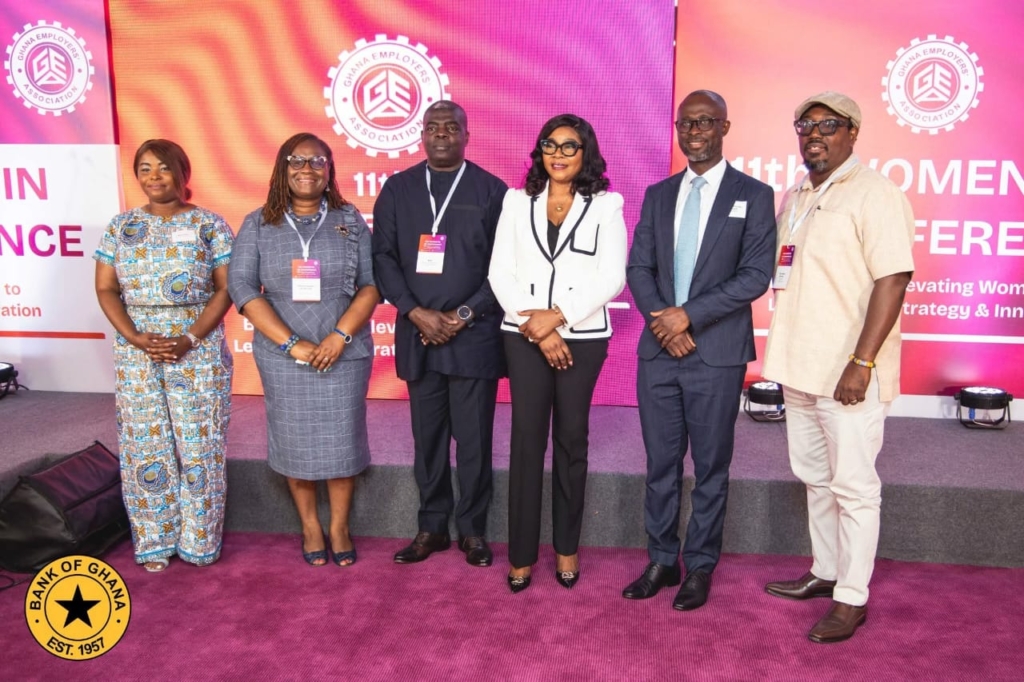
Speaking at the 11th Women in HR Conference organised by the Ghana Employers’ Association in Accra, Mrs. Asante-Asiedu stressed that while women have excelled in Human Resources, Communications, and Corporate Social Responsibility, their impact must extend to boardrooms and executive spaces where long-term decisions are made.
She further encouraged women to position themselves to fully benefit from the opportunities created by Affirmative Action quotas.
“Women are not just nurturers of people, we are architects of vision, of strategy, and of transformation. Elevating women beyond HR is not about charity or tokenism it is about competitiveness and survival in a fast-changing world,” she said.
The Deputy Governor shared her personal career journey from journalism into banking, describing how taking bold risks and embracing continuous learning allowed her to lead initiatives that transformed retail banking, women’s banking, and digital inclusion projects. She argued that the experiences highlight why women must be supported to step outside traditional boxes.
Three Pillars of Leadership
Mrs. Asante-Asiedu outlined three critical pillars where women’s leadership can make a transformative difference:
Culture Architects: fostering trust, accountability, and inclusive work environments that drive performance.
Strategic Leaders: embedding purpose into long-term business strategy and balancing profitability with sustainability.
Innovators: reimagining solutions that respond to real human needs, often with an inclusive lens.
She cited global examples such as Ngozi Okonjo-Iweala of the World Trade Organisation and Indra Nooyi of PepsiCo, as well as Ghanaian corporate leaders like Patricia Obo-Nai of Telecel Ghana, demonstrate the far-reaching impact of women in top leadership.
A Business Case for Inclusion
Quoting studies from McKinsey, Deloitte, and the Harvard Business Review, the Deputy Governor emphasized that companies with more women in executive roles are more profitable, more innovative, and more trusted. She noted that beyond economics, women reinvest significantly into families and communities, multiplying the benefits of inclusive leadership.
She further urged boards to move from symbolic gestures to intentional appointments, ensuring women take seats on audit, risk, finance, and innovation committees, while organisations shift from mentorship to active sponsorship of female talent.
Aligning with National Policy
Mrs. Asante-Asiedu also linked her call to Ghana’s Affirmative Action (Gender Equity) Act, 2024, which sets targets of 30% women in leadership by 2026, 35% by 2028, and 50% by 2030, aligning with the UN Sustainable Development Goal 5.
“When women rise, men do not fall. Instead, everyone rises together,” she concluded, urging both men and women to embrace inclusivity as a national imperative.
The Women in HR Conference, now in its 11th year, has become a flagship platform for empowering female professionals to exchange ideas, sharpen leadership skills, and contribute to national productivity.
Latest Stories
-
Kenyasi No.1 Omanhene funds and commissions new classroom block for Roman Catholic JHS
7 minutes -
“South Africa is nothing without Africa” – MTN Chairman Mcebisi Jonas condemns xenophobia
19 minutes -
Ex-Trump adviser John Bolton pleads guilty to mishandling classified documents
1 hour -
Six killed in recent Nkwanta South conflict to be buried today
1 hour -
France considers measures after Burkina Faso breaks off relations
1 hour -
We must respect court orders, but also protect media freedom — Suame MP on Herald Editor bail ruling
1 hour -
Education Minister orders daily anti-drug campaign in schools
2 hours -
Venezuela welcomes 1,600 foreign rescuers in urgent search for quake survivors
2 hours -
From local stories to global decisions: Why the G7 Summit 2026 matters
3 hours -
No health system can function effectively without well-trained pharmaceutical workforce – Asantehene
3 hours -
MTN Chairman Mcebisi Jonas blames state failure for rising anti-foreigner sentiment in South Africa
4 hours -
Ghana deploys 47 health workers to Saint Kitts and Nevis under migration initiative
5 hours -
Telecel Foundation donates life-saving equipment to Kumasi South Hospital, signs 2-year adoption MoU
5 hours -
“Law and politics run in parallel channels” — Barker-Vormawor on ECOWAS ruling in Torkornoo case
5 hours -
Getrude Torkornoo’s claims of unfair trial lacks basis – Twum-Barimah
5 hours